Quick Answer
A bad sewage smell in your home can come from a blocked drain, broken pipes or damaged seals around the toilet. To stop the smell, find the source, clean the drain, pour water into the trap, and ask a plumber to repair broken pipes.
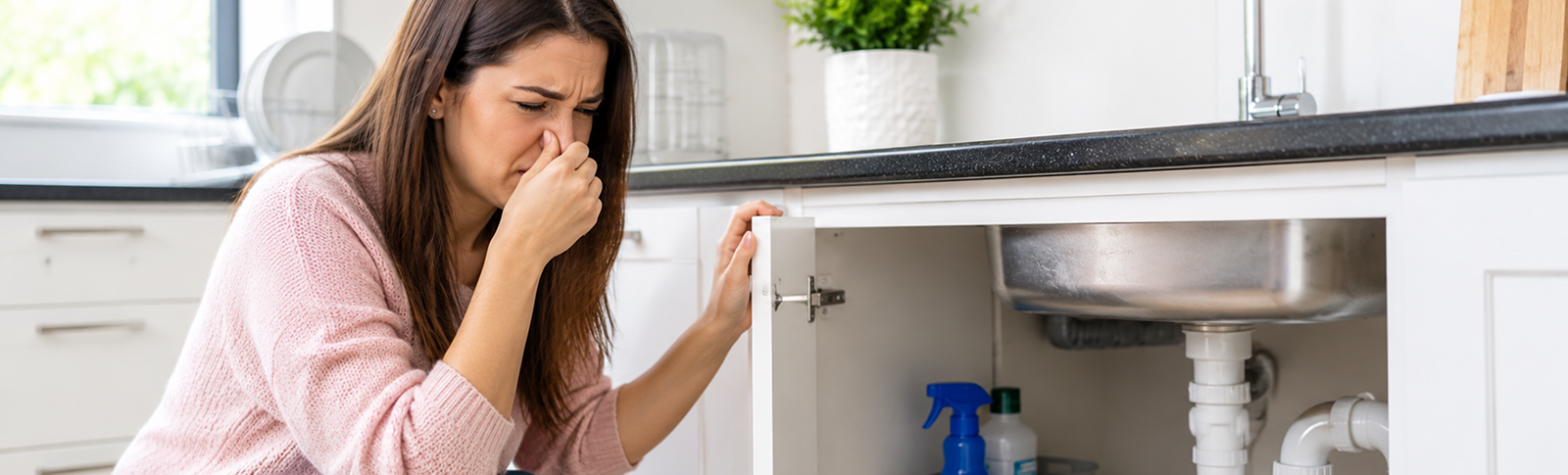
Don't ignore an unpleasant sewage smell in your home, as it's important to address it. Often, bad smells come from drains or pipes entering your rooms and spread through your living spaces. Because several issues can cause this smell, you first need to find the source to know what to fix.
You can fix a few minor faults at home with a few simple checks. Other issues may need professional attention, which is why homeowners should hire an expert plumber in the UK instead of trying a DIY fix. Understanding these differences can save time and prevent you from paying for work you don't need. Explaining the issue clearly also helps you get more accurate quotes.
Common Causes of Sewage Smells in UK Homes
A sewage smell typically means an odour from your drainage system that spreads throughout your living space. Common causes include dried-out or blocked drains, a damaged pipe or a poorly seated fitting. The smell is strongest in the bathroom, kitchen or utility room, where most drains are fitted.
Some of these causes are easy to fix, such as a dry trap in your spare bathroom. Other issues, such as a cracked drainpipe, need a professional’s attention. Finding the root cause is the first step to removing that bad smell.
Here are a few common causes behind sewer smells:
- Dry traps that allow sewer gas to escape
- Blocked drains trapping smelly waste
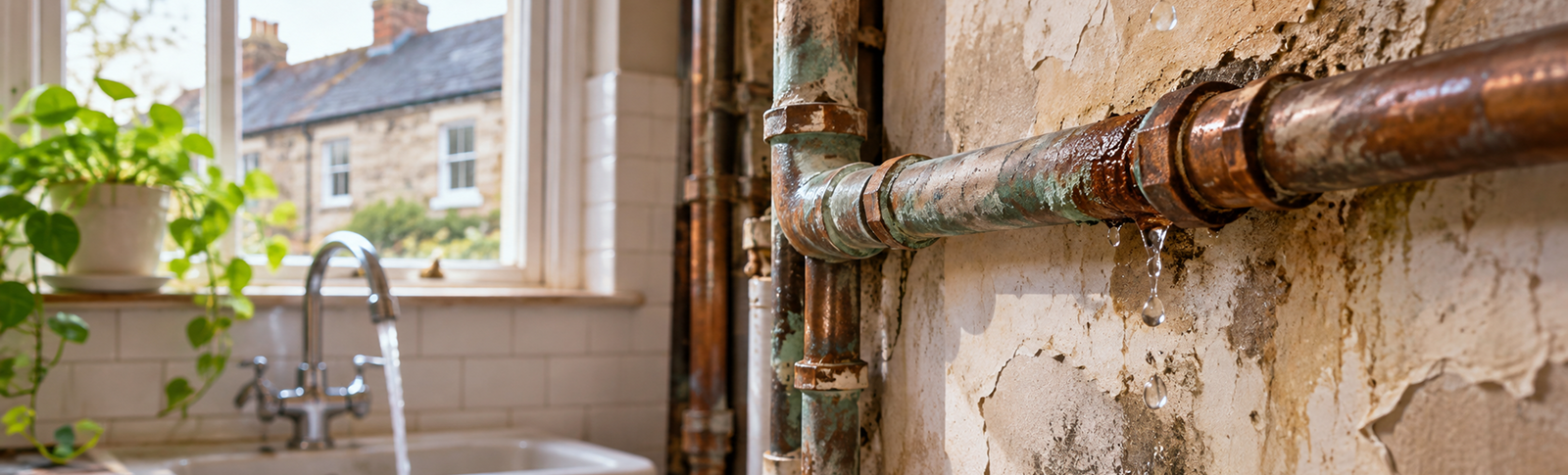
- Cracked pipes leaking waste and odour
- Damaged toilet seals leaking odour
- Blocked vent pipes pushing odour indoors
Once you identify the source, you can fix each fault, and most are easier to deal with early on. For example, these issues are common in homes across the UK, including Essex, a county in the east of England with commuter villages, coastal towns, and ageing housing. So, homeowners can find plumbers in Essex for recurring sewage smells and compare local experts who can fix these faults immediately.
Methods for Permanent Sewage Odour Elimination
Each method below starts with simple inspections homeowners can do themselves. Other major jobs will need a professional plumber’s attention.
Identifying the Source of the Odour
The smell becomes stronger when you approach its source, so check one room at a time. Sniff around the showers, sinks, toilets and floor drains. Also check outdoors near the gullies and manholes and note where the smell appears.
Things to check first:
- Check every shower and sink
- Pour water into dry or unused drains
- Sniff outside near the drain covers
- Note down when the smell appears
- Close doors to compare each room
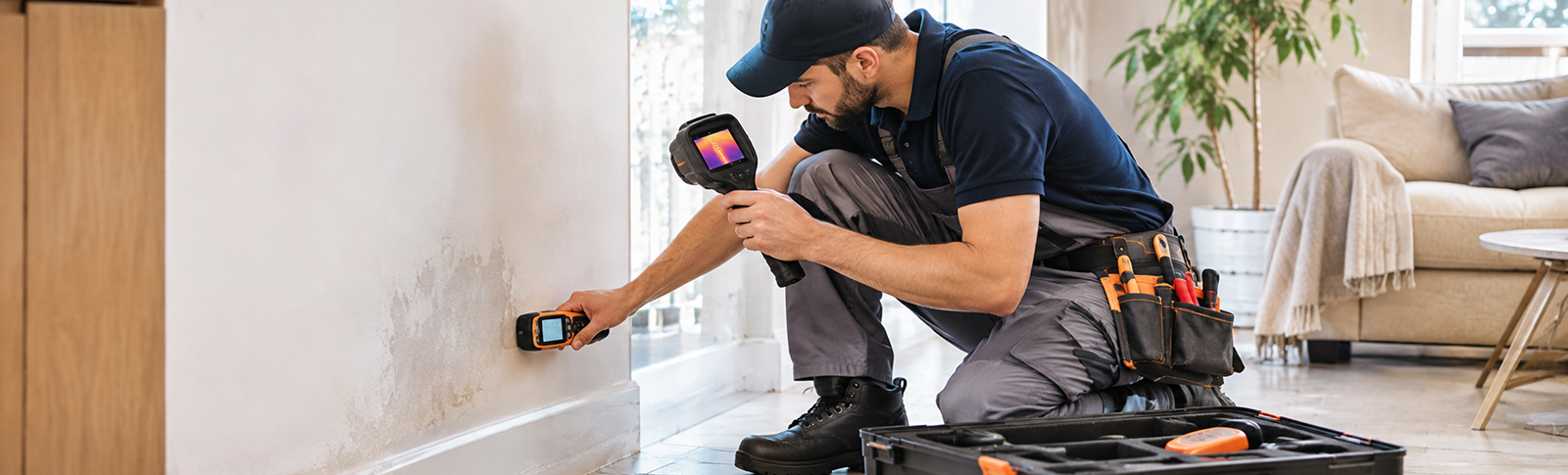
A professional plumber uses a drain camera to find hidden faults. Homeowners who need an accurate diagnosis can find tradespeople who offer complete drain inspections.
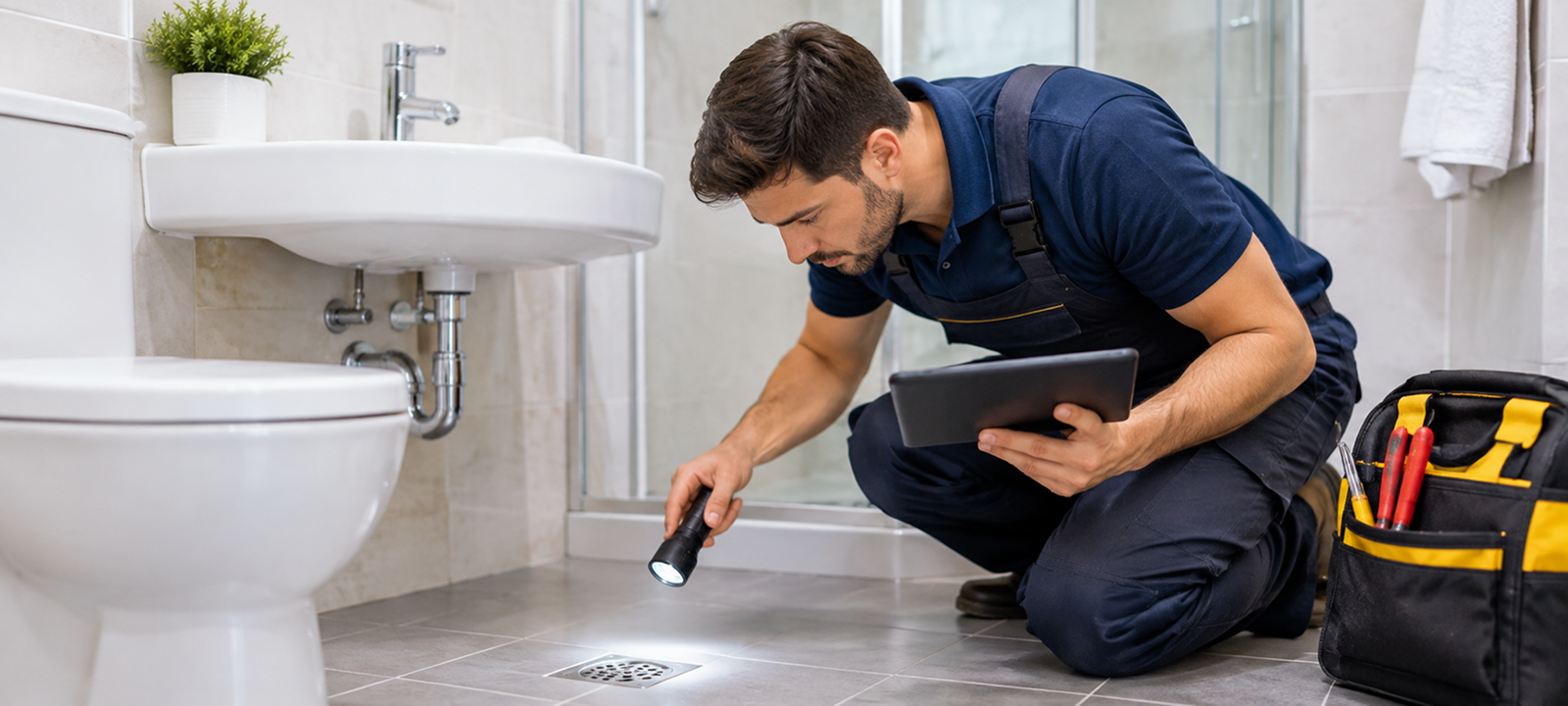
Refilling Dry Traps and Cleaning Drains
Almost every bath, sink, and shower has a water trap that blocks smells from coming out of the drain. If a trap dries out, odour can enter your living space. Running water and drain cleaning often fix minor smells that don't require industrial-grade tools.
Things to check first:
- Refill floor drain traps
- Removing hair from plugholes
- Flushing drains with hot water
- Repeat weekly for every spare bathroom
- Run water into unused sinks
A professional plumber can inspect whether damaged pipework is causing a recurring odour. Loose joints and corroded pipes are two of the most damaging impacts of ageing plumbing systems on older properties.
Inspecting Toilets, Seals and Pipe Fittings
A loose or damaged pipe fitting can let odour escape even when the drain is clear. Check the base of each toilet and under sinks. Minor leaks, damp patches, or stains will often show where a seal has failed.
Things to check first:
- Inspect the toilet bases for leaks
- Check for loose waste pipes
- Check the hoses of a washing machine
- Replace damaged rubber seals carefully
- Call a professional plumber for leak detection
A professional plumber can easily replace damaged seals and corroded pipes with suitable materials. A plumber can also advise when to replace ageing pipes as a preventative measure.
Clearing Blockages and Vent Pipes
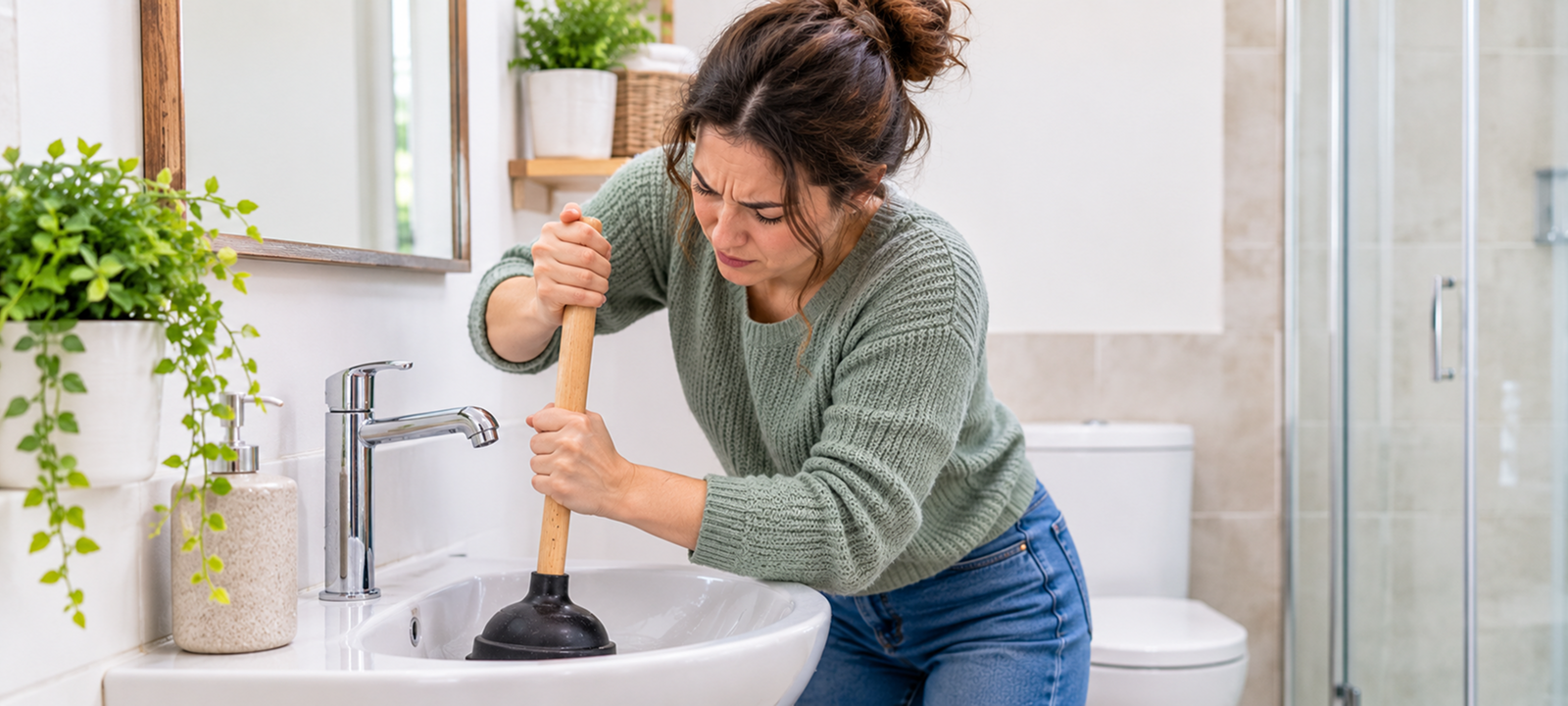
Waste buildup inside a drain can break down slowly and spread bad odour. A plunger or drain rod can clear most simple blockages. A damaged or blocked vent pipe needs expert attention, since drains need proper airflow.
Things to check first:
- Slow plunging sinks and toilets
- Cleaning outside gullies regularly
- Removing hair from waste traps
- Listen to gurgling drains
- Avoid using any harsh chemical cleaners
A professional can easily clear tough-to-remove blockages and inspect the vent pipe. An expert can also advise you on how to avoid any plumbing emergencies such as overflowing drains that can flood floors.
Repairing Damaged Drains and Pipes
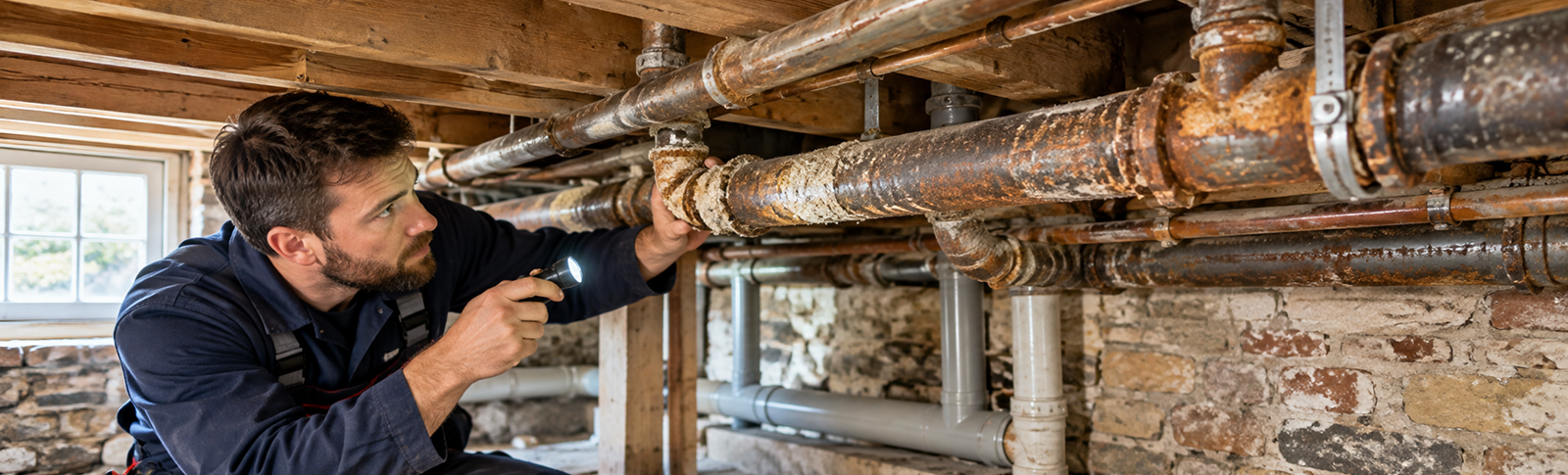
Cleaning alone can't fix a cracked or collapsed drain. A camera survey shows damage inside the pipe, and the repair may involve relining, patching, or replacing a section. Persistent smells outside the home often point to this fault.
Things to check first:
- Book a camera drain survey
- Ask for written quotes
- Ask who owns the drain
- Request footage of the damage
- Compare relining and replacement
A professional plumber can survey the drains, explain the damage, and carry out the repair. A proper repair makes it less likely that the smell will return.
Preventing Sewage Odours From Returning
Once you fix the cause, regular care helps keep drains fresh and clear. Simple habits protect the water traps, stop waste from building up, and make it easier to spot early signs of a fault before the smell comes back.
Things to check first:
- Use sinks and showers regularly
- Wipe plugholes clean every week
- Avoid pouring grease down drains
- Use a bin for wipes instead of flushing
- Book occasional drain checks
A professional plumber can service the drains regularly and spot early wear. Small changes, such as replacing tired fittings, help keep the smell from coming back.
Looking After Your Home's Plumbing
A home stays more comfortable when the right local professional handles plumbing problems, and BuilderWing helps homeowners find one by letting them post a plumbing job and compare quotes from interested local plumbers.
Comparing several quotes makes it easier to choose a plumber that fits the job and the budget. Post a project today and start comparing quotes for your plumbing job.
Frequently Asked Questions
Is a Sewage Smell Harmful to Health?
Sewer gas can be harmful in high amounts, so strong smells need prompt checking. Ventilate the room and ask a plumber to inspect the drains.
Can Bleach Get Rid of Sewage Smells?
Bleach may hide the smell for a short time but does not fix the cause. It can harm some pipes, so find the source instead.
Which Other Tradespeople Can I Hire Besides Plumbers?
Bathroom fitters, tilers, plasterers, decorators, damp-proofing specialists and cleaning services can help with repairs and clean-up after a drain or pipe problem is fixed.