Quick Answer
Replace old pipes if leaks are frequent, water turns brown, pressure is weak, or they are made of lead, regardless of age.
Clear warning signs show your old pipes are failing. However, homeowners often overlook early signs because most of them remain hidden behind walls or under floors. Issues start with a small leak or a drop in water pressure. The problem worsens as hard water, frost, and years of daily use cause extensive internal damage to the metal. So, knowing what to look for helps you replace pipes in time, not when you’re already in the middle of a plumbing issue.
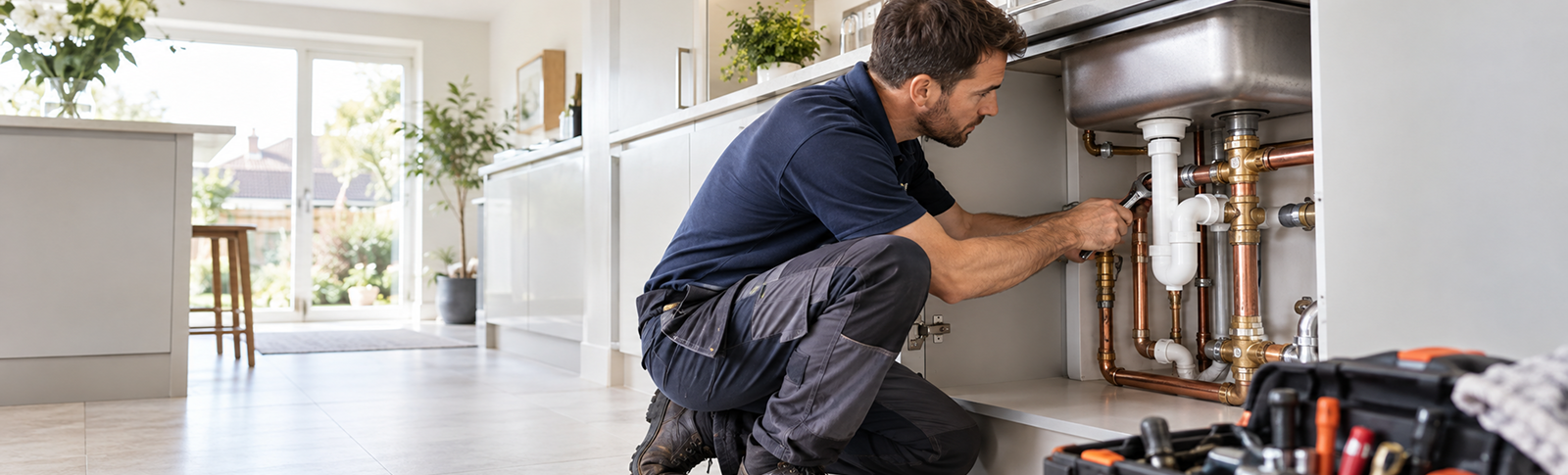
Call a professional plumber, as they can identify the source of faults and assess how damaged the rest of the pipes are. They can also tell you what needs replacing immediately and what can wait. Homeowners should hire UK plumbers for a thorough inspection of ageing pipes and to get replacements done on time.
Which Pipe Types Are Found in Older UK Homes?
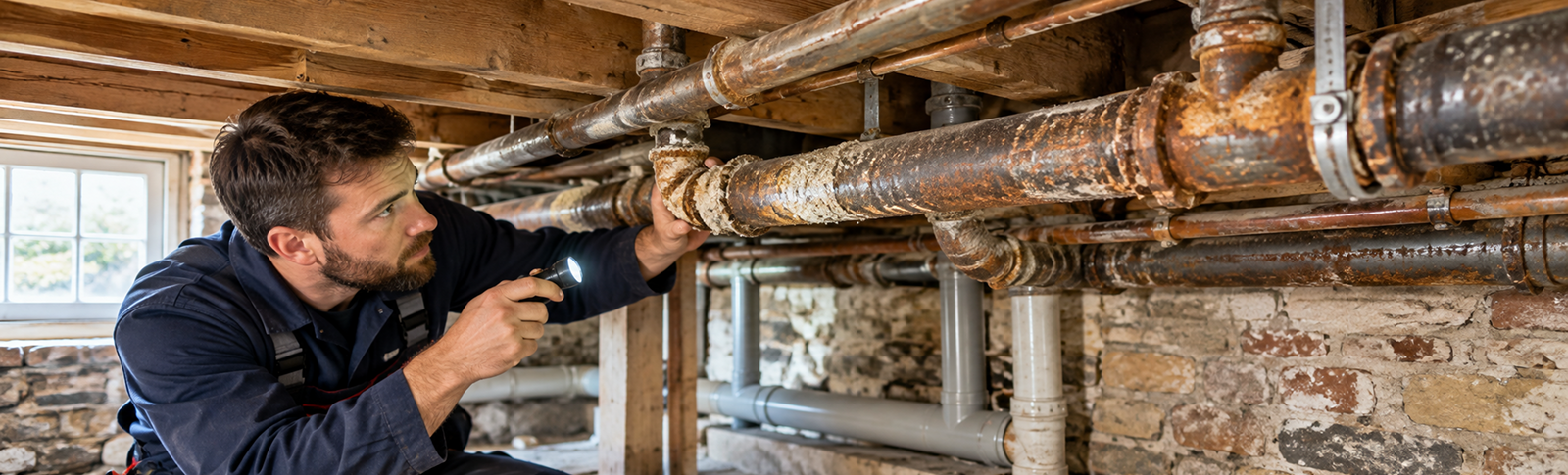
The pipes in your home depend on when it was built and what has been updated since. Each material can be damaged by age, so knowing which one you have makes it easier to decide. Most older UK homes have mixed-material pipes because repairs over the years have replaced sections. Homes that still have their original pipes are more likely to need immediate attention.
Here are the types of pipe materials common in older homes in the UK:
- Plastic pipes are the latest, usually grey or white in colour, and hardly corrode
- Lead pipes are dull grey in colour, soft when scratched and unsafe for drinking water
- Galvanised steel pipes are grey in colour, coated with zinc and rust slowly from the inside
- Cast iron pipes are heavier, carrying mainly wastewater and start to rust with age
- Copper pipes are reddish brown in colour, lasting for decades
If you’re unsure what type of pipes you have, a professional can identify them in a short visit. That’s why it’s worth finding a reliable UK tradesperson with experience in homes of a similar age. Knowing the materials helps you estimate when you need a replacement and get an accurate quote for the plumbing job.
Signs Your Older Home Needs Plumbing Pipe Replacement
Each sign below shows what’s exactly happening inside the pipe. Detecting it sooner can help you replace them before the damage spreads throughout your property.
Brown or Cloudy Water From the Tap
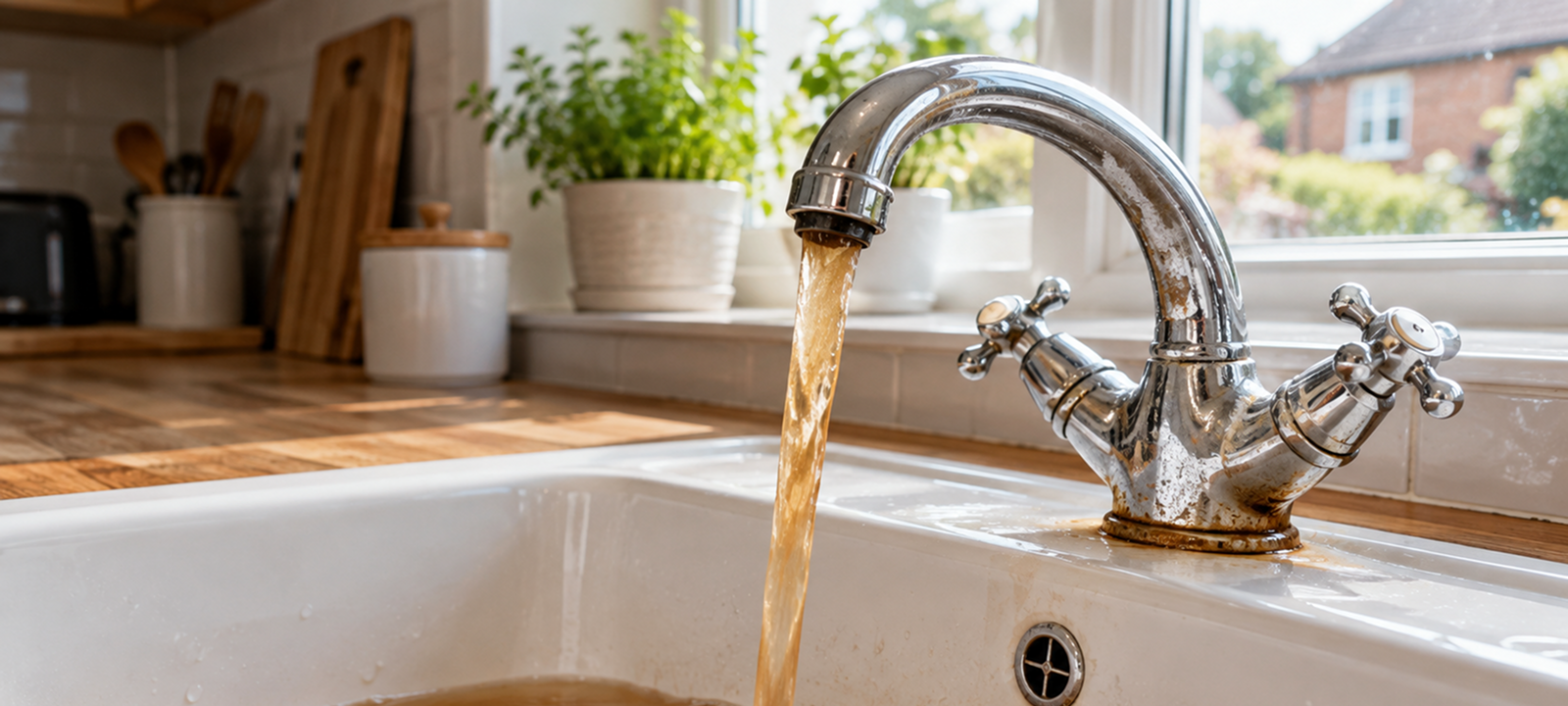
Cloudy or brown water mainly indicates rust or flakes building up inside an old pipe. Run the tap for a minute. If the discoloured water goes away, the issue may be temporary. However, if the water keeps changing colour, it's a clear sign the pipe is getting damaged.
Here is what to check:
- Water turning brown overnight
- Metallic smell or taste in water
- Flaky debris in glass or kettle
- Orange tint around plugs and taps
A professional plumber can locate the source of rust and tell you whether you need to replace one section or the entire pipe. Experienced professionals will explain how they detect the fault, helping homeowners choose local plumbers in the UK.
Low Water Pressure Around the Home
Limescale buildup, a hard white crust left by hard water inside the pipes, can reduce water flow. If flow reduces over time, or only a few taps have weakened, blocked pipes are the most likely cause.
Here is what to check:
- Weak water flow from a single tap
- Showers that slow down over a couple of months
- Taps that spit or sputter air
- Hot water that runs slower than the cold ones
A plumbing professional can measure the pressure at different angles and locate where the flow is blocked. Often, only a small section of the pipe needs replacing. Replacing damaged or leaking pipes can stop water waste. So replacing an old pipe is one of the most significant plumbing upgrades in older UK homes and can help save water.
Leaks, Damp Patches and Stains
Signs of a hidden pipe leak are wet walls, damp smells, and ceiling stains. A single leak is repairable, but frequent leaks in different areas suggest pipes are failing along their entire length, not just at one joint.
Here is what to check:
- Ceiling stains that gradually spread
- Damp or peeling wallpaper near pipes
- Musty smells under floors or sinks
- Water meter shows movement even when taps are off
A professional can use moisture meters and pressure tests to locate hidden leaks. They can repair them without tearing down walls. Detecting a slow leak sooner can help you avoid common plumbing emergencies, including flooded ceilings and burst pipes.
Visible Rust, Green Marks or Bulging Pipes
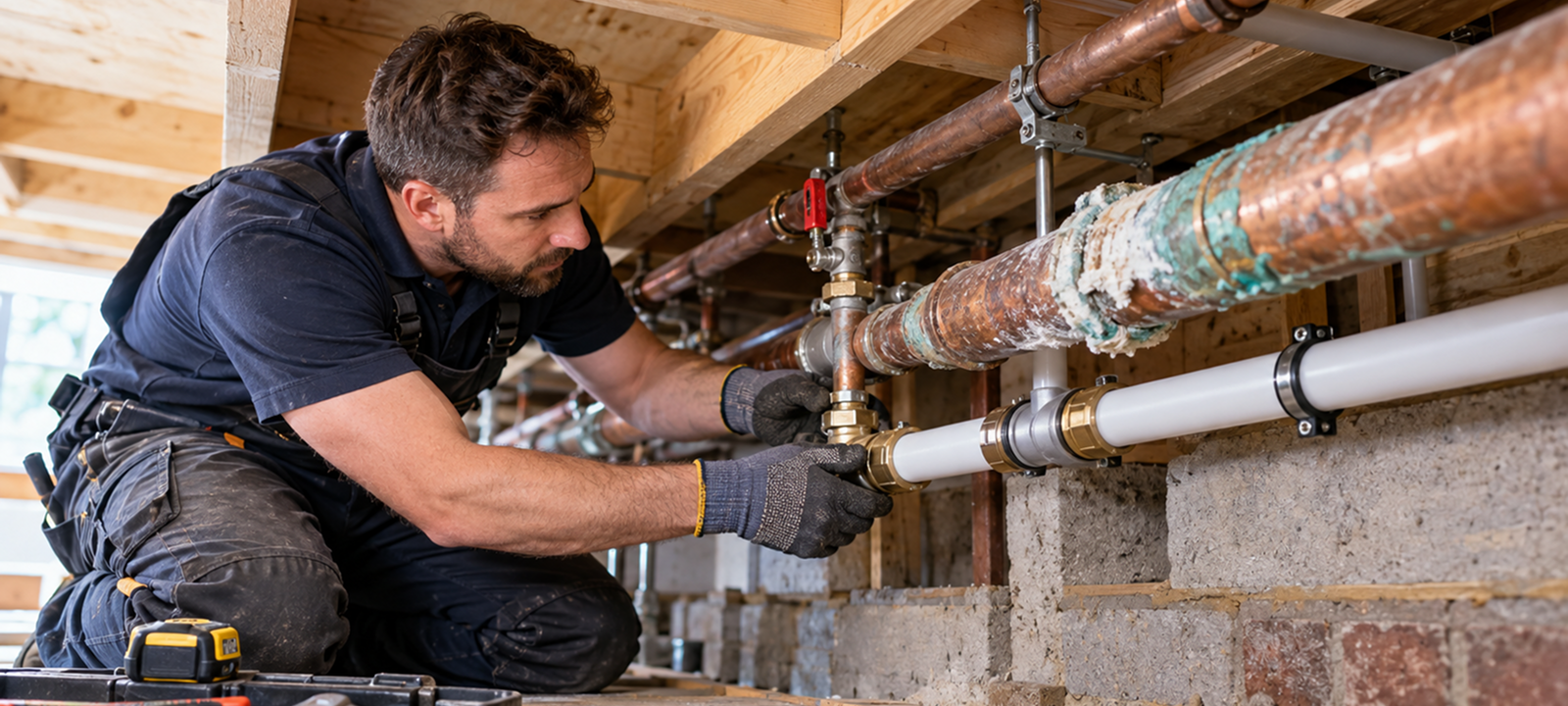
Use a torch to check your home for exposed pipes in lofts, cupboards, and under floors. Rust on steel pipes, green or white crust on copper joints, and swollen areas mean the metal is thinning and can break without warning.
Here is what to check:
- Flakes of rust present on steel pipework
- Green crust around copper joints
- Swollen or bulging pipe sections
- Kinked, dented or sagging pipes
A professional plumber can check for lead pipes by their soft texture and grey colour. If they find any, they will replace the damaged sections with modern pipes. Older flats or terraced homes are common across the UK, including Glasgow, Scotland’s major city. For instance, homeowners looking for plumbers in Glasgow can speak with local professionals experienced with these buildings.
Noisy Pipes and Repeated Repairs
Banging, knocking, or whistling pipes can mean loose pipe clips, trapped air or narrowed pipes. Repeated repairs on the same system are another clear sign, as replacing it can cost less in the long run.
Here is what to check:
- Banging noise when taps switch off
- Whistling or humming sounds from pipework
- Third repair on the same pipe
- Different leaks appearing in one run
A plumber can tell you whether a noise is a simple fix or a warning sign, and explain when repeat repairs stop being worth the money.
Making a Plan for Your Home's Pipework
Home maintenance gets easier when you know what is behind the walls. Pipes are hidden, so a quick check by a plumber now and then is worth having, even when nothing seems wrong.
BuilderWing is an online marketplace for finding local tradespeople in the UK. Describe what you have noticed and where, and plumbers near you can tell you whether you need a repair or a full replacement before the work starts.
Post a project today and find out what your old pipes need from a local plumber.
Frequently Asked Questions
How Long Does Pipe Replacement Take?
A small section takes a few hours. A whole house takes longer, depending on its size and how easy it is to access the pipes. Ask your plumber for a timeline.
Does Home Insurance Cover Leaking Pipes?
Many policies cover sudden damage from a burst pipe, but not wear and tear. Check your policy before work starts and keep the plumber's written report to support a claim.
Which Other Tradespeople Might I Need After Pipe Replacement?
You may need joiners to lift and refit floorboards, plasterers to repair opened walls, tilers to fix flooring, and painters to finish the surfaces afterwards.