Quick Answer
Address urgent repairs and safety issues before spending money on other home improvements. After that, focus on upgrades that improve the home's comfort and daily use. Leave cosmetic changes for last, and get written quotes from multiple tradespeople so you can plan your budget accordingly.
Home improvements can cost a lot, and most homeowners find it hard to pay for every job at once. So, deciding which home improvement job matters the most is the best way to spend a limited budget. Repairs that affect safety or could cause damage should always be at the top of your priority list.
Working in this organised way can keep minor issues from becoming expensive ones. This is where you need to hire tradespeople in the UK. These professionals will thoroughly inspect your home and give you a clear list of priorities. This helps you compare quotes and choose work based on your budget.
Urgent Repairs That Should Always Take Priority
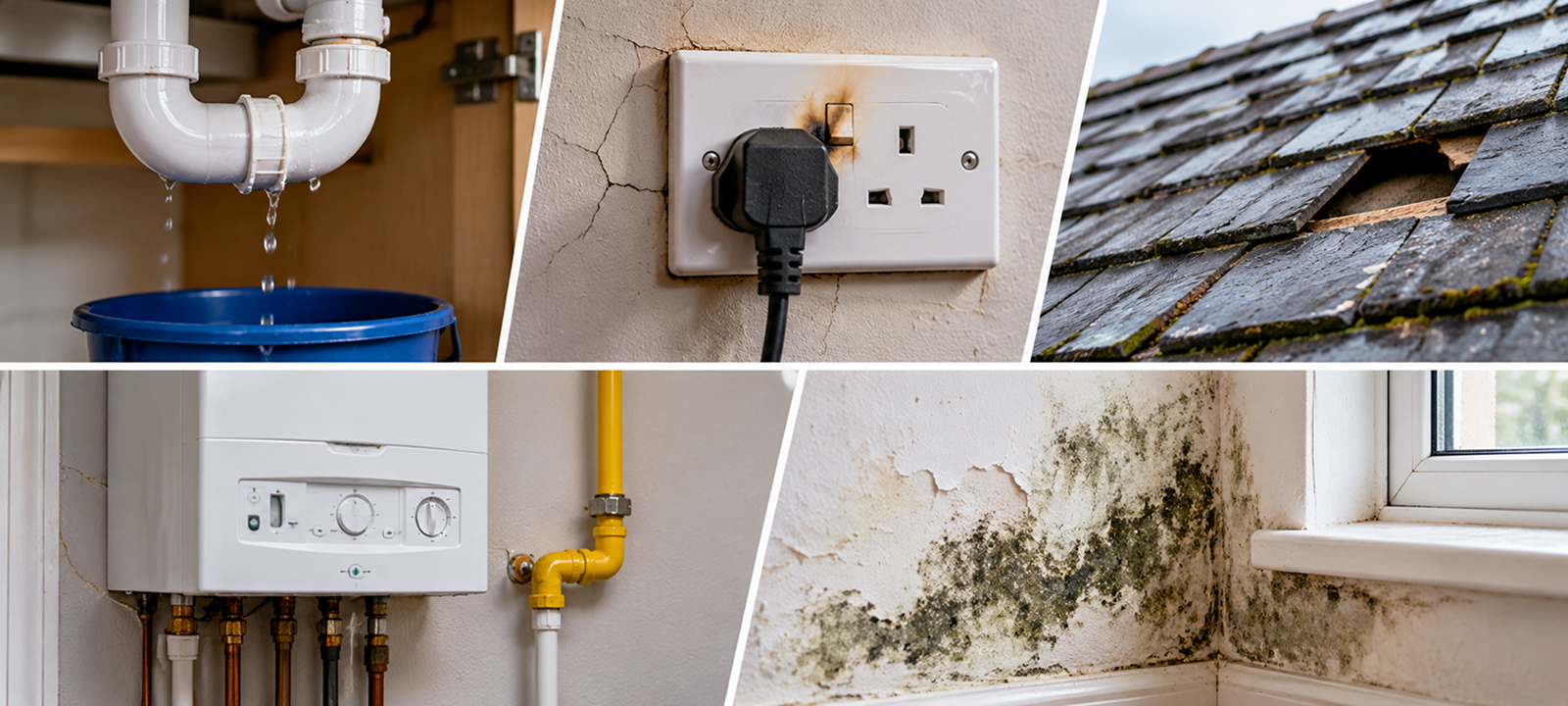
A few jobs can affect your home’s safety or the building’s overall structure. These should always come before other renovation tasks, and most need an experienced tradesperson, not a quick fix. Overlooking them can cause extensive damage and lead to budget overruns.
Here are some urgent issues that will need a skilled tradesperson’s attention:
All these urgent jobs can protect the people you live with and the building. So, they always come first even when you’re short on budget. Urgent repairs are common in cities like Derby in the East Midlands, where older terraced streets meet newer housing estates. This helps homeowners find tradespeople in Derby for any leak or wiring fault and get the job done immediately, instead of waiting for major repairs to appear.
A Clear Method for Prioritising Home Improvements on a Budget
Each step below can help you decide where your money goes. Make sure to work through each step to see which jobs can wait and which cannot.
List and Rank Every Job by Urgency
You need to start by listing every repair, upgrade, and change that you have in mind. Organise each job based on its urgency, function, or any cosmetic improvements. Emergency jobs can protect your home and prevent further damage. Functional jobs improve how your home works, and cosmetic tasks change your property's appearance.
Here is how to do it:
- Walk through every room. Check the roof and garden for any signs of damage
- List any unfinished jobs so that nothing's left forgotten
- Urgent jobs prevent danger or damage, including leaks, faulty wiring or broken boilers
- Functional jobs improve daily comfort, such as insulation, better heating or double glazing
- Cosmetic jobs improve the looks of your home, including new flooring or painting, which can wait
A professional tradesperson can spot issues you’ve missed and tell you what needs immediate attention. They will also highlight the jobs that can wait so that you don’t pay for any rushed work.
Compare Quotes to Set Realistic Costs
Prices can lead to overspending halfway through a project. Always get a written quote that lists materials, labour, and any extras. Comparing multiple quotes shows you what clear pricing looks like and helps you match jobs to your budget.
Here is how to do it:
- Always ask for an itemised written estimate that includes everything
- Compare at least three quotes for each job so you can spot a high price that can stand out
- Check what each estimate includes, including waste removal
- Ask whether the quoted price is fixed or it can change after the work begins
- Keep a note of the timeline mentioned in the quote, as it can affect the prices
The quoted prices will differ by trade. So, it’s important to understand the cost to hire a local tradesperson in the UK, as this will help you judge each quote. Also, a good tradesperson will explain everything clearly mentioned in your home improvement estimate.

Check Experience and Reviews Before Hiring
Inexperienced work can lead to rework, which adds to your costs. When hiring a tradesperson, always check their relevant experience, clear pricing and honest reviews before deciding. A professional who can explain the job in simple words and answers your concerns is a safer choice.
Here is how to do it:
- Read recent reviews and check examples of similar finished work
- Ask whether the tradesperson has insurance and offers any
- Confirm any registration the trade would need, such as a Gas Safe certificate
- Ask for a timeline and who all will be present on the site
- Get an agreed price and scope in writing before the work starts
For every home improvement project, it’s extremely important to find a reliable tradesperson, as it helps you ask the right questions. An experienced professional will also stand behind the work and support you through the process.
Schedule Work Around Season and Availability
Timing affects price and convenience. Outdoor jobs need dry weather, while interior work can happen anytime. Tradespeople are often busiest in spring and summer, so booking quieter months can give you more choice and sometimes more flexible dates.
Here is how to do it:
- Book outdoor work such as roofing and painting for dry weather
- Plan interior jobs for quieter months, when tradespeople often have more free dates
- Avoid starting major outdoor work just before winter
- Allow extra time for materials that have to be ordered
- Ask each tradesperson for their next free start date
A professional tradesperson can explain how the season affects each job. This will help you choose the best time for home renovation in the UK.

Phase Larger Projects and Keep a Reserve for Extras
You don't have to pay for a large project all at once. Splitting it into stages spreads the cost over months and lets you stop between stages if money runs short. Each stage should leave the home safe and usable.
Here is how to do it:
- Split the project into stages that can each be finished alone
- Complete one stage fully before starting the next one
- Agree a separate price for each stage in advance, so you always know what is left to pay
- Keep part of the budget back for problems found during work
- Expect hidden faults in older homes, such as rotten timber or old pipework
A professional tradesperson who inspects the property before quoting can plan sensible stages and warn you about likely extra costs before work begins.
Getting the Most From a Limited Home Budget
A limited budget stretches furthest when you price every job before you book it. This is where platforms such as BuilderWing can help homeowners do exactly that by letting them post a job, receive responses from interested local tradespeople and compare quotes.
Seeing several prices for the same job makes it easier to decide what to do now and what to leave for later. Post a project today and find out what your priority job will cost.
Frequently Asked Questions
Is It Worth Taking a Loan for Home Improvements?
It depends on the interest rate and the job. Borrowing can suit essential repairs, but compare the repayment cost and avoid borrowing for decorative work.
Which Home Improvements Add the Most Value?
Well-finished kitchens and bathrooms often add the most value. Returns will still depend on local prices and workmanship, so ask a local estate agent first.
Do Home Improvements Need Planning Permission?
Many jobs don't need permission, but extensions, loft conversions, and some exterior changes might. Check with your local council before starting a larger project.