Quick Answer
A professional leak detection visit can help detect the source of a hidden leak. Most inspections don't need drilling into your walls. The plumber will use a visual check, moisture readings, listening equipment, and pressure tests. They will then explain the cause of the leak and the repairs needed.
Water can leak inside a wall or beneath a floor for weeks before you notice that something is wrong. Initially, you might notice a damp patch, an unpleasant smell, or an unexpected increase in your water bill. Even a slow leak can damage plaster, rot wood, and lead to mould growth over time. Most homeowners are unsure what happens during a professional leak detection, and that uncertainty delays calling a professional. So, understanding the steps beforehand can make each visit easier to plan.
An experienced plumber will follow a set of inspections, using simple questions, measuring tools, and tests to trace hidden leaks. So, homeowners who hire plumbers in the UK will get a professional diagnosis, a well-written explanation, and a repair plan. This way, they know what’s really wrong before opening any wall or floor.
Warning Signs of a Leak Homeowners Fail to Notice
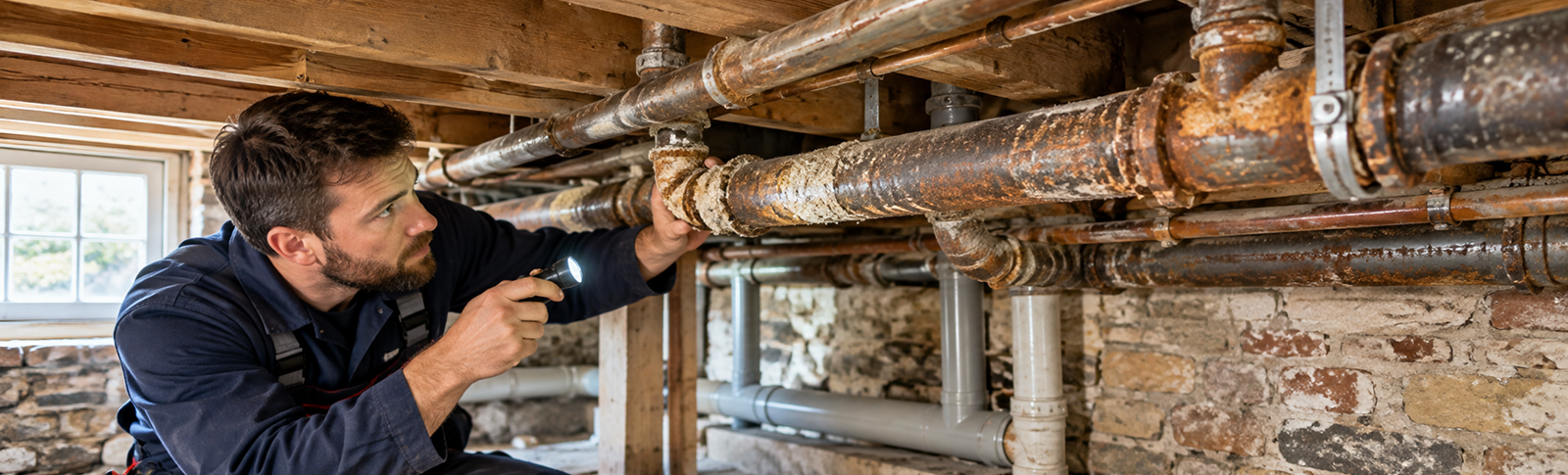
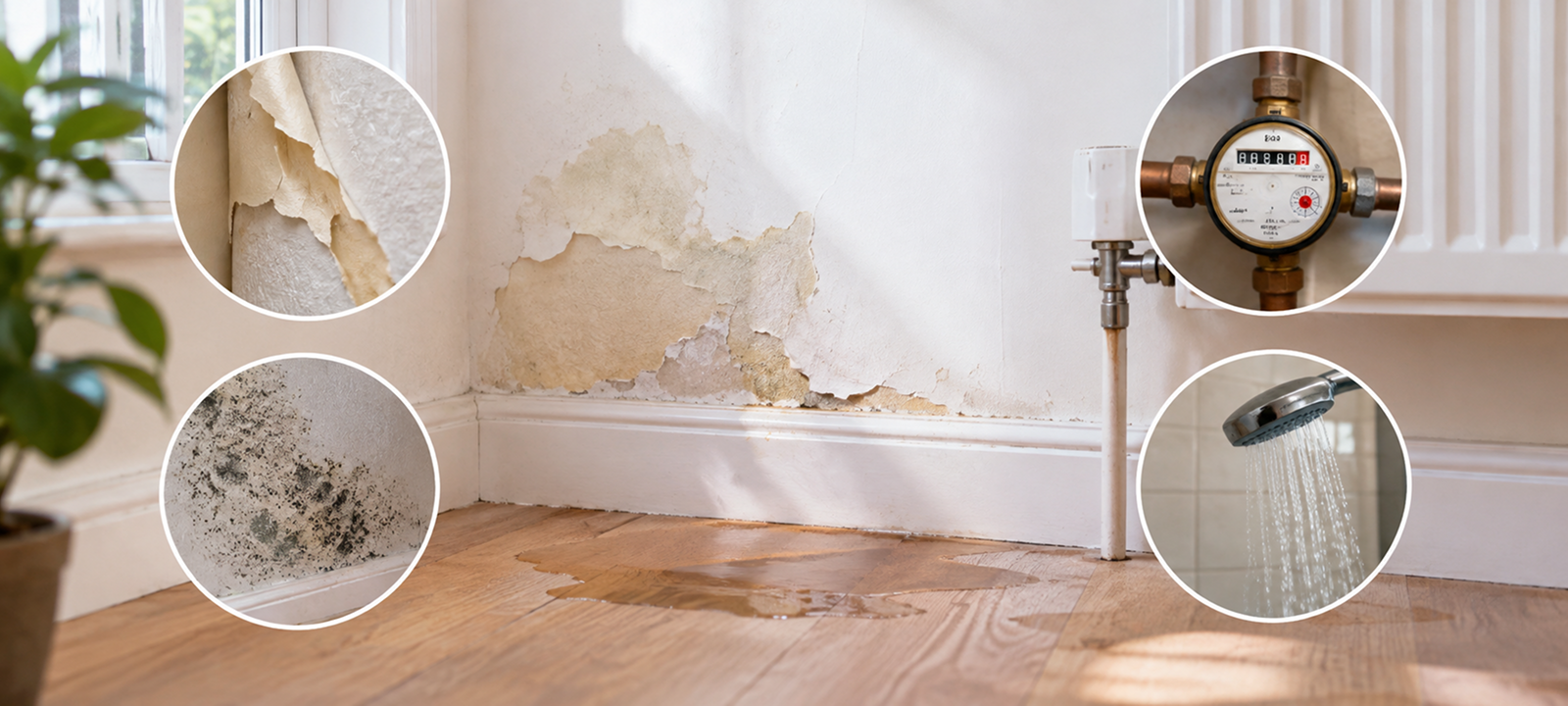
Most leaks are hidden inside walls, under floors or beneath the ground. So the first sign often appears someplace else in the home. Detecting the signs sooner helps a plumber find the source before the damage spreads. Water can travel along pipes and timber before the leak becomes visible, so that a stain may form away from the leak.
The following are the primary signs that indicate a hidden leak:
- Damp patches or stains formed on walls
- A musty odour that will never clear
- Peeling paint or lifting wallpaper
- Wet or soft patches on floors
- Water bills that unexpectedly continue rising
- Low water pressure without any clear cause
If you notice any of these signs, it’s worth checking, as a small hidden leak can cause extensive damp and damage later. Taking prompt action on the first sign can keep repairs smaller and cost-effective. Most ageing homes in the UK have pipes hidden behind floorboards and plaster. For instance, in cities such as Sheffield, a hilly city in South Yorkshire, many older terraced houses have this layout. So, homeowners looking for a plumber in Sheffield can often contact local professionals experienced in handling plumbing issues and detecting hidden leaks.
What Happens During a Leak Detection Visit, Step by Step
Professional leak detection involves several stages, so you know what to expect at each step.
Questions and a Visual Check
A plumber will generally start by asking when you initially noticed the issue and where the signs appear. Professionals will inspect the walls, ceiling, floors, pipes, and water meter to spot signs of leaks before using any equipment.
Here’s what a professional inspection includes:
- When the issue initially appeared
- Where stains or damp will show up
- Fluctuating water pressure or bills
- Meter readings with all taps off
A plumber will use your answers to determine which tests they need to run first. They will also explain to you all the tasks they will perform to detect leaks. So, the best step that a homeowner should take is to find a reliable tradesperson in the UK who will communicate every step clearly.
Moisture Meters and Thermal Imaging
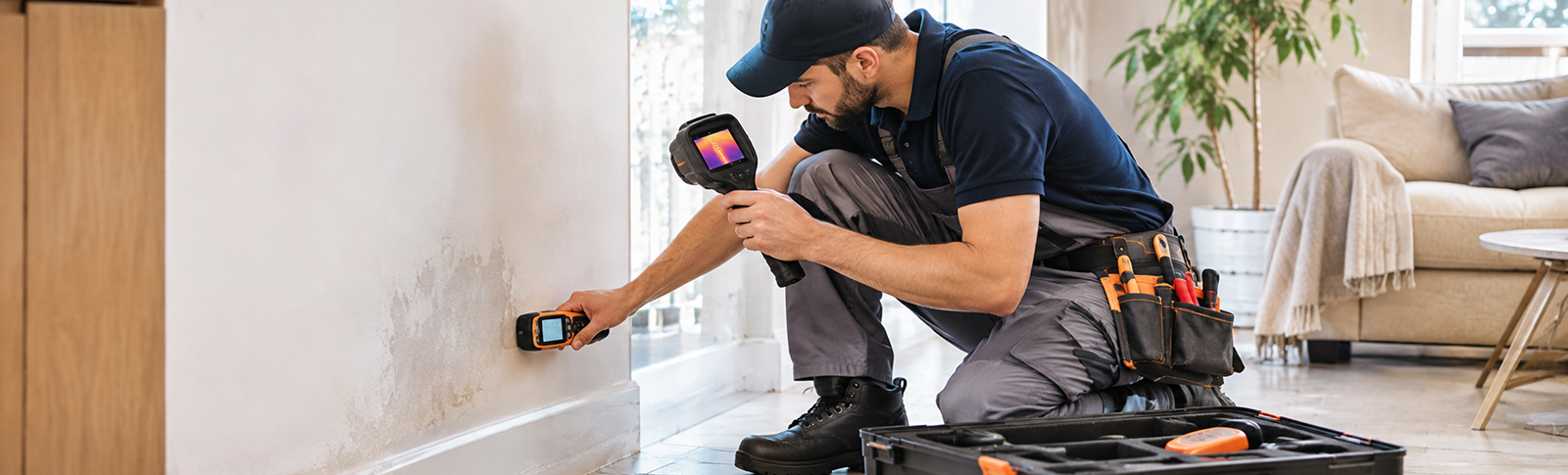
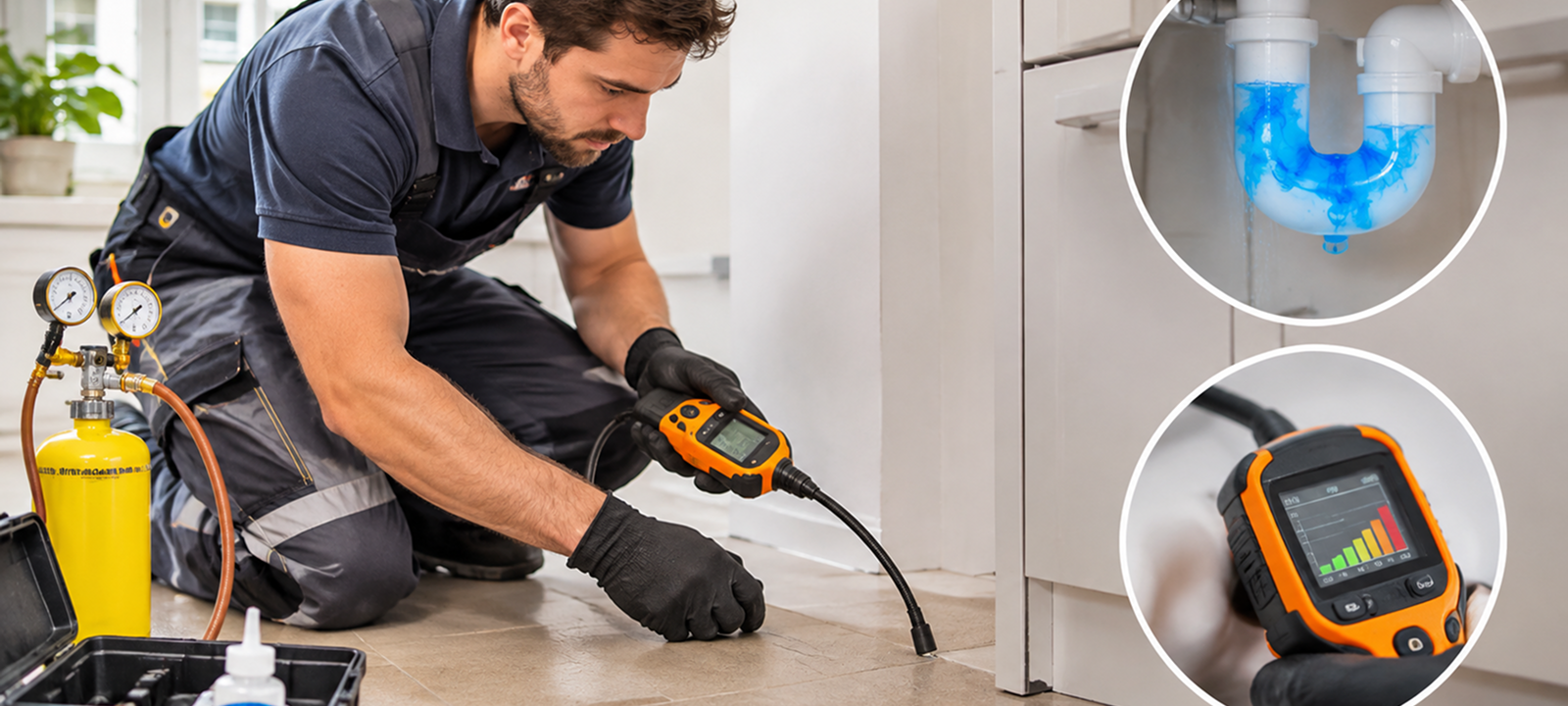
Moisture meters reveal how wet a wall or floor is without opening it up. Thermal imaging cameras will show cold or warm patches that indicate a hidden leak behind a surface. Plumbers use this to decide where to look next.
Here’s how a moisture meter can help:
- Accurate readings across walls and floors
- Scans ceilings and where the pipes run
- Cold or warm patches on screen
- Wet areas compared to the drier ones
A plumber will mark the wettest areas and often spot a leaking pipe due to condensation. Locating a hidden leak sooner can help you prevent common plumbing emergencies, including burst pipes and flooded ceilings.
Listening Equipment and Pressure Tests
Listening equipment can often detect the faint sound of water escaping from a pressurised pipe, even behind a wall or under a solid floor. Pressure tests will also check whether any section of pipe retains its pressure or slowly loses it.
Here’s how it’s done:
- Sensors are placed on pipes and walls
- Pipework is closed off in sections
- Gauges are inspected for pressure drops
- Sounds are checked along each pipe run
If the tests reveal damaged or failing pipes, the plumbing professional will explain whether a repair is enough. They will also recommend when to replace old pipes in your home so the work is well planned instead of rushed.
Tracer Gas and Dye Tests
Some leaks are challenging to find by sound or heat alone. For these, the plumber might pass tracer gas through the pipes and detect it at the surface. They would even use coloured dye in drains to see where water is escaping.
Here’s how the work is done:
- Tracer gas that passes through the pipework
- Sensors used to trace the gas
- Coloured dye added to drains
- Exact leak spots marked on surface
This lets a plumber mark the exact source of the leak. So, only a small area needs to be drilled open. An experienced plumber explains the method before the issue starts and warns you about any noise or dust.
Reports, Repairs and Next Steps
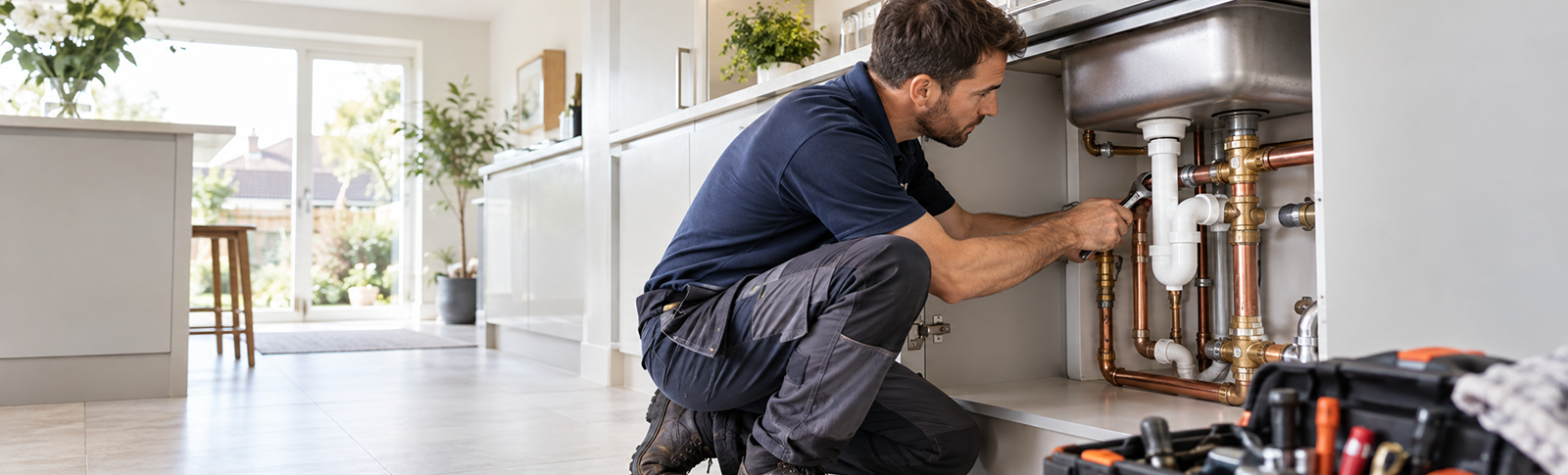
Once the plumber locates the leak, they will explain what they found, where the source is and how serious the damage has become. Then you need to approve repairs, any job involving opening up and closing walls or floors, and the final cost.
Here’s what it involves:
- A complete explanation of the root cause
- Repair options and reasonable costs
- Access work and making good
- A written report that homeowners can keep
An experienced plumber will often repair the leak on the same visit or book a return date. If both floors or walls are damaged, they will tell you which other trades you may need.
How to Pick a Plumber for a Leak Detection Visit
A good leak detection plumber explains the tests they plan to use and what they will report back. Homeowners can find plumbers on BuilderWing, an online marketplace for local tradespeople, and compare them before booking.
Use these checks when you compare plumbers for the visit:
- Ask which tests they plan to use and why they suit your home.
- Check that they give a written report with their findings and your repair options.
- Find out if the quote covers opening up the area and making good afterwards.
- Read reviews and confirm that they carry suitable insurance for the work.
Post a project today, describe the signs you have noticed and compare responses from local plumbers before you book the visit!
Final Thoughts
Unexplained damp, water stains, and increasing water bills don't always imply that anything is wrong. However, leaving it unattended for long can worsen the issue over time. A short on-site inspection is generally more affordable than repairing moisture buildup in the ceiling, floor, or wall, which may have been damp for months.
If you notice anything unusual, schedule a professional inspection right away. Compare local plumbers and hire one who can explain his methods clearly, conduct all necessary checks, and make any required repairs.
Frequently Asked Questions
How Long Does a Leak Detection Visit Usually Take?
Many visits take a few hours, depending on the property size and the tests needed. Hidden or complex leaks may need a second visit.
Does Home Insurance Cover Leak Detection Costs?
Some policies cover the cost of tracing a leak when it causes insured damage. Check your policy wording or call your insurer before you book.
Which Other Tradespeople Might I Need Besides a Plumber?
Electricians check wiring near wet areas, damp-proofing specialists treat damp walls, plasterers repair damaged plaster, tilers refit lifted tiles, and decorators repaint once dry.