Quick Answer
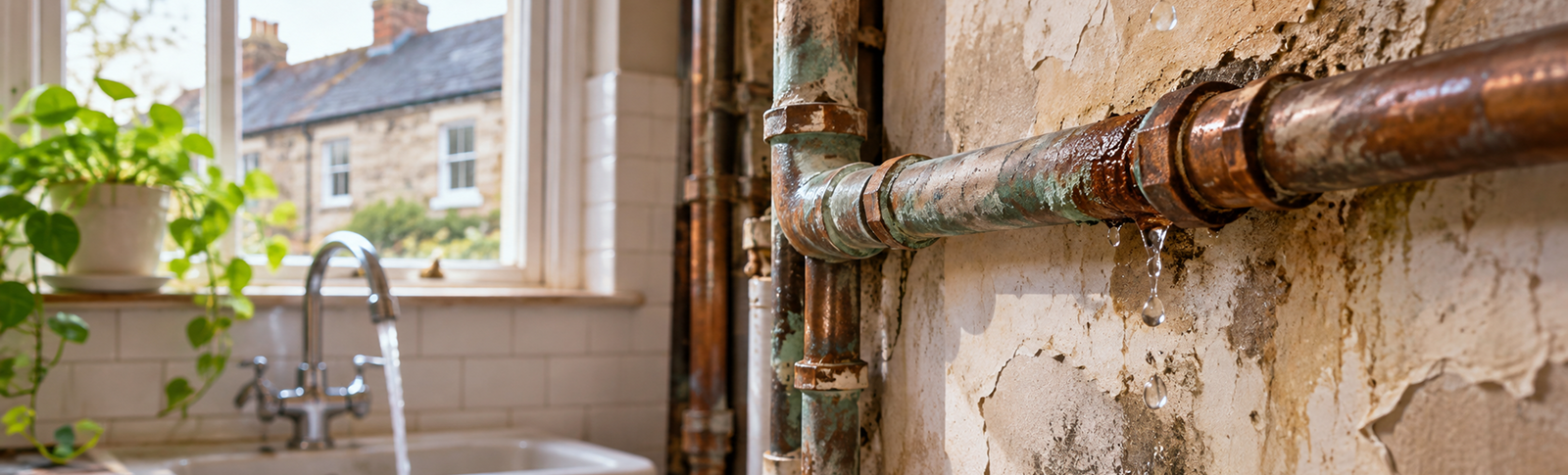
Ageing plumbing systems can create all sorts of issues in older properties. These include leaking pipes, low water pressure, slow drains, and damp spots. Over time, pipes rust, wear out, and become thinner. This makes plumbing issues common, and even small leaks that go unnoticed gradually damage walls, ceilings, and floors.
Most older properties across the UK have pipes, joints, and fittings installed ages ago. As these parts age, they often rust, loosen, and thin out, which can affect water supply, drainage, and the building's overall condition. Understanding these effects helps homeowners decide when a repair is enough and when they need further action.
These changes can happen gradually and go unnoticed until a fault becomes obvious. Detecting early warning signs gives homeowners enough time to plan repairs and avoid emergency call-outs. This is where homeowners should hire expert plumbers in the UK to assess ageing pipework, understand its condition, and plan the work. A professional assessment will also identify parts that are still undamaged. This helps you buy only the parts that will need immediate replacement.
Why Plumbing in Older Properties Is More Vulnerable to Wear
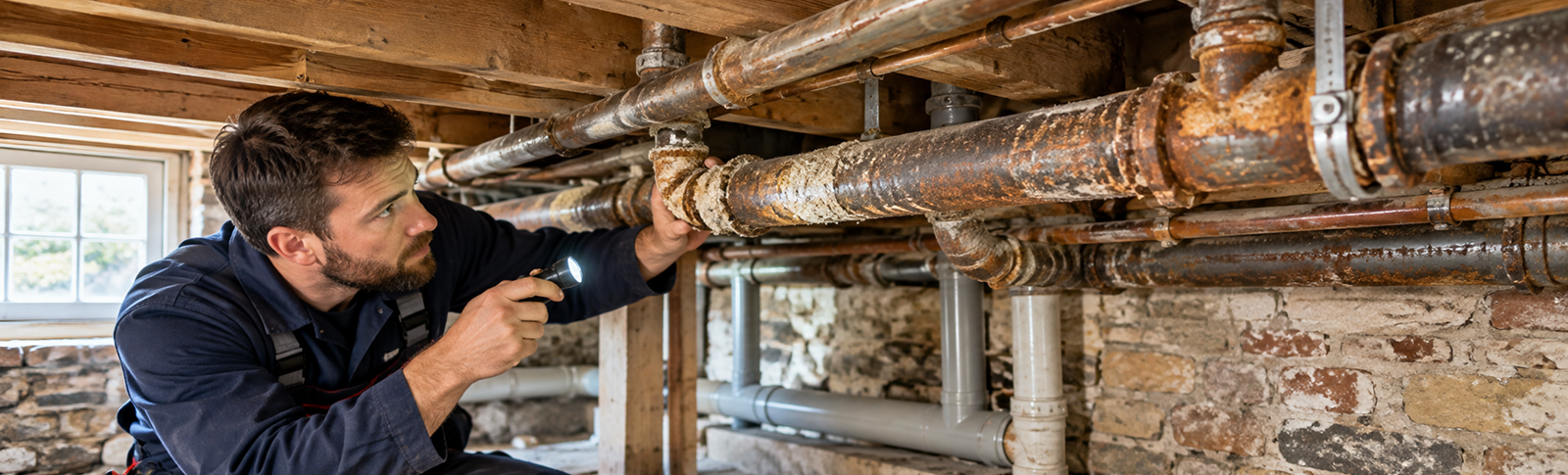
Ageing pipework has faced years of constant water flow, temperature changes, mineral deposits, and previous repairs. Pipes in cellars, lofts, and under floors are often hard for homeowners to spot, so they’re often left unchecked. Gradually, these pressure buildups can weaken metal, tighten seals, and loosen joints. Detecting the signs early can keep repairs smaller and give you time to plan a professional inspection.
The following are the signs that indicate ageing pipework:
- Water turning brown or cloudy when flowing through the tap
- Green or white marks or deposits on pipes
- Banging and rattling noises in pipes
- Taps dripping or running slowly
- Frequent minor repairs to the same joint or pipe
- Increasing water bills without any reason for the rise
If you notice any of these signs, it’s worth a closer inspection, as each one can reveal parts of the system nearing the end of their life. For instance, in cities like Kent, many historic villages and towns have older properties where pipework has been left untouched for decades. So homeowners often look for experienced plumbers in Kent to inspect pipework before minor issues become major faults.
What Age Does to the Plumbing in Older Homes
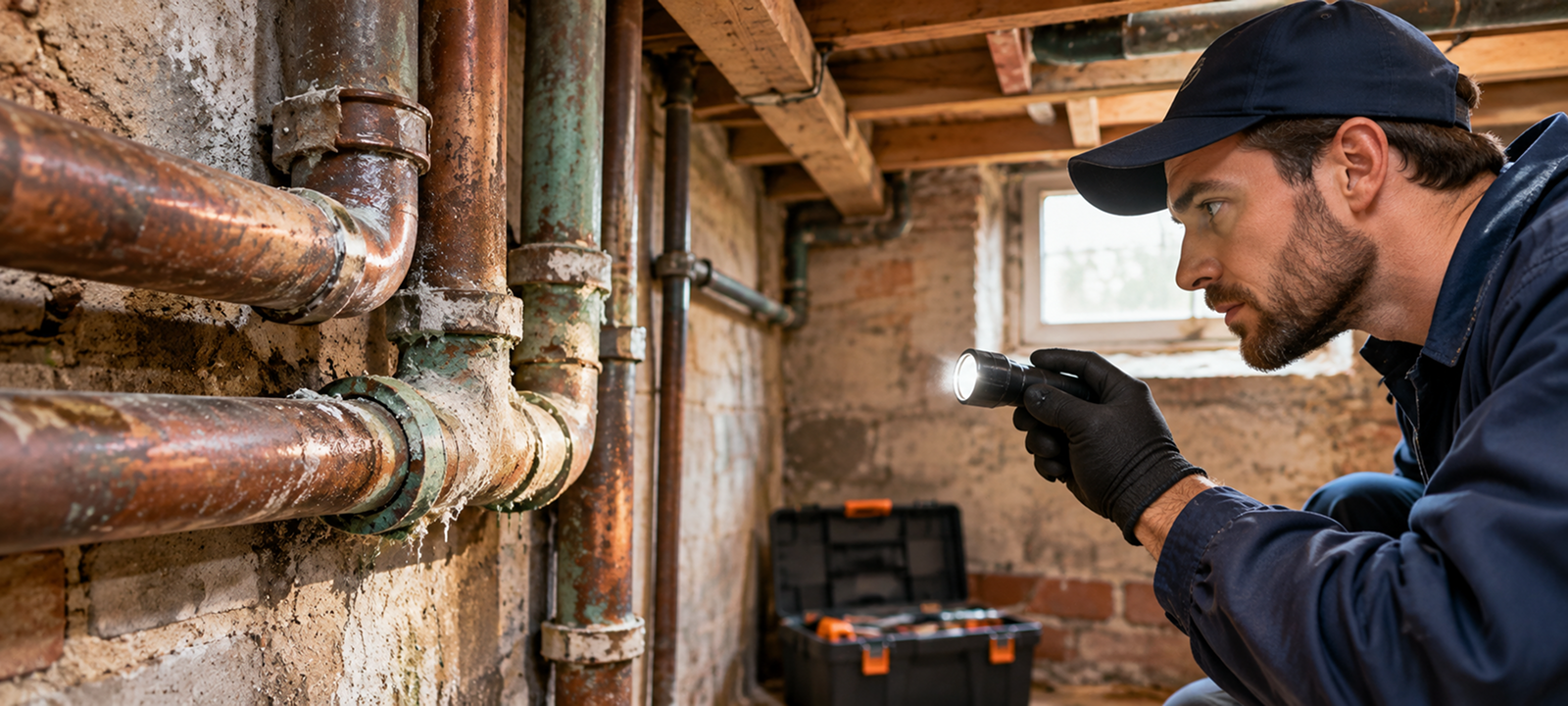
Understanding how ageing plumbing systems change over decades of use can help you spot issues sooner. Each issue below can reveal how ageing changes how pipes work, drains and fittings behave in an older home and where professional plumbers can help.
Corrosion and Leaking Pipes
Metal pipes often corrode from the inside, and walls can thin until tiny holes or weaker joints appear. These leaks often develop over years of use, so they can operate for months, soaking walls, ceilings, and floors before anyone detects them.
Here’s what to check for:
- Small leaks that run along the pipe
- Dripping joints and fittings
- Thinning pipe walls due to corrosion
- Pipes cracking under huge strain
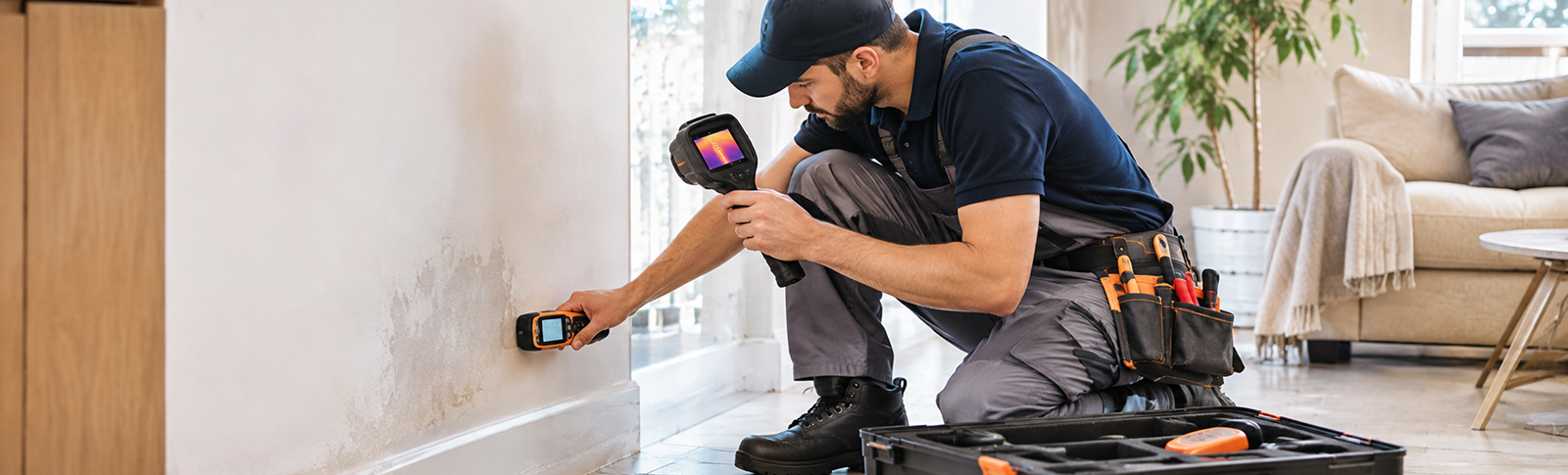
Using the right tools, a plumber can spot the leak’s source. So homeowners should understand what’s involved in a professional leak inspection process so they know where plumbers will start their work.
Low Water Pressure and Poor Flow
Mineral and rust deposits often narrow older pipes, which is why less water gets through. Valves can also stiffen or stop working due to ageing, causing weaker showers, slow-filling baths and taps that take a longer time to run.
Here’s what to check for:
- Limescale deposits inside the pipes
- Stiff or partially closed valves
- Build-up of rust in older pipework
- Showers or taps that run slowly
A professional plumber can test water pressure at different points and clear the deposits or replace damaged valves. This makes it important for homeowners to find a tradesperson in the UK who specialises in ageing properties. These professionals can work on the original pipework and recommend necessary repairs or replacements.
Slow Drains and Blockages
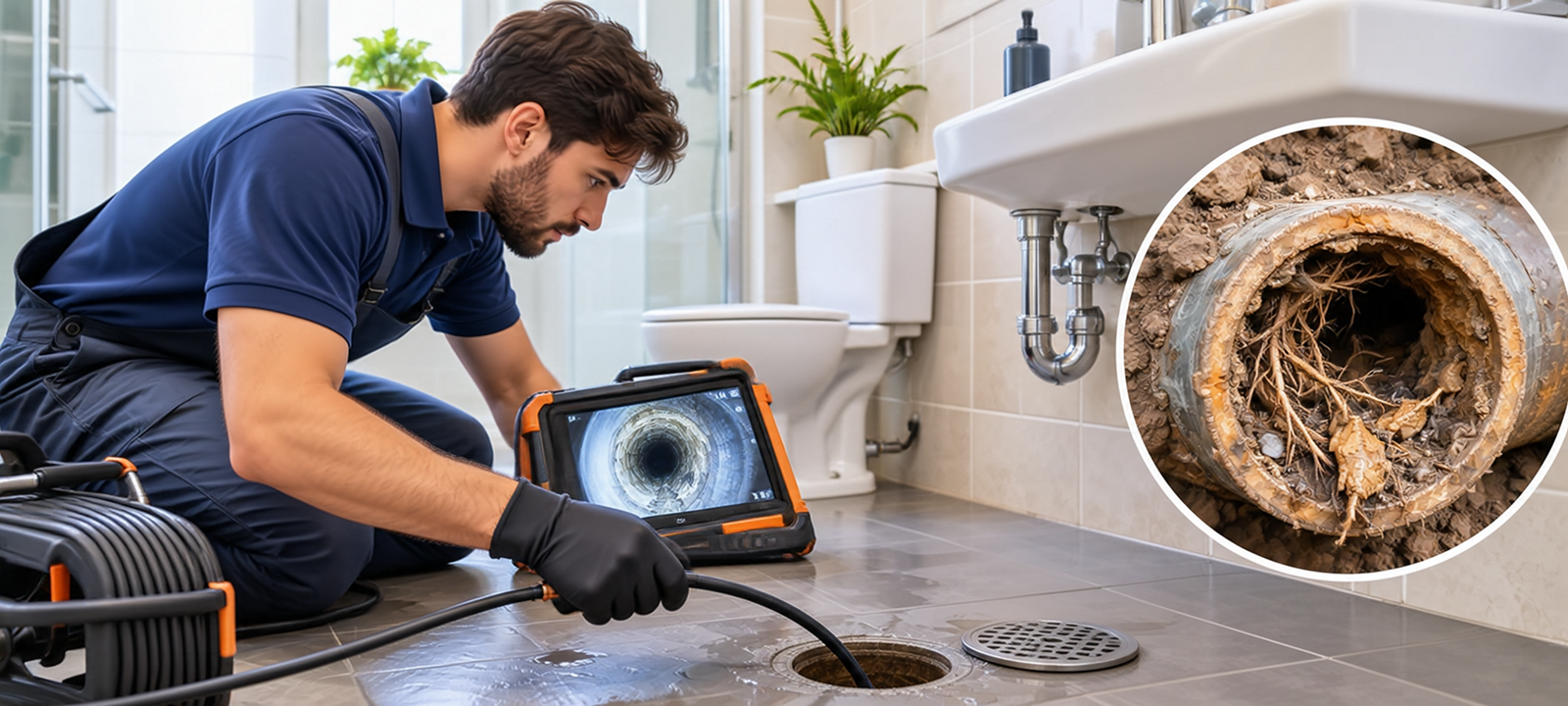
Older drain pipes often crack, sag, or fill with mineral deposits and debris over time. Water may start to drain slowly, pool in the pipe, and at times back up into baths or sinks. This can lead to smells and unhealthy conditions at home.
Here’s what to check for:
- Baths or sinks that drain slowly
- Gurgling sounds from plugholes
- Cracked or sagging drain pipes
- Tree roots that enter ageing drains
A plumber often inspects drains using a camera and clears blockages. So homeowners should spot signs of plumbing emergencies, such as water backing up, and call the right professionals on time instead of waiting.
Old Materials and Worn Fittings
Some ageing properties still have galvanised steel or lead pipework along with valves, tanks, and seals from earlier decades. These parts fail at different rates, so a single failing fitting can affect the rest of the system.
Here’s what to check for:
- Galvanised steel or lead pipework
- Stiff or completely damaged stop valves
- Brittle joints and damaged seals
- Old tanks and hot water cylinders
A professional plumber can safely identify ageing materials and explain which parts can stay. So, they replace only the damaged parts instead of the entire system.
Damp, Mould and Hidden Damage
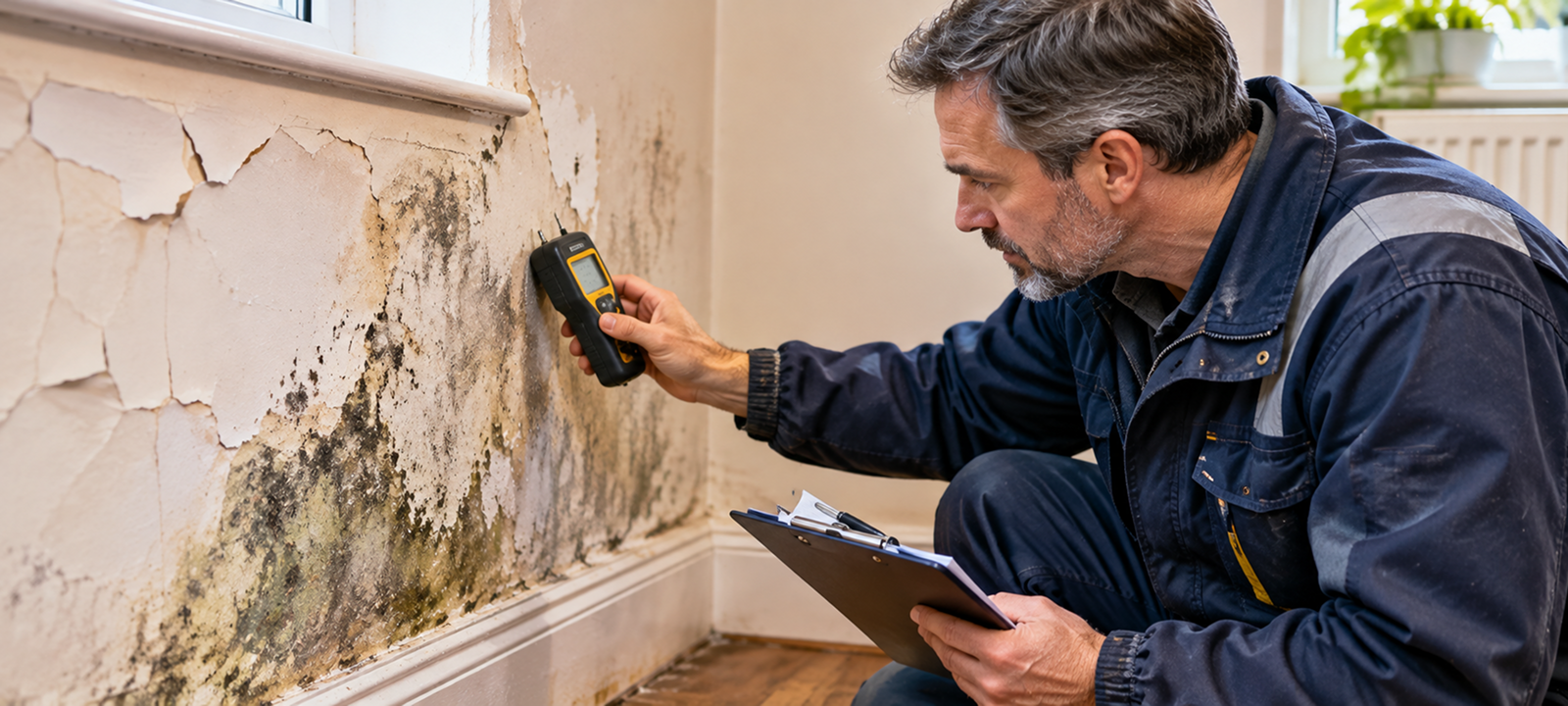
When water escapes slowly inside walls or under floors, it can soak plaster and timber for months. The result can be damp patches, mould growth and softened floorboards, which often cost more to repair than the pipe that caused them.
Here’s what to check for:
- Damp patches on walls or ceilings
- Mould around skirting and corners
- Soft or stained floorboards
- Peeling paint and lifting wallpaper
Fixing the pipe comes first, and a plumber can tell you when the damp has a different source, so you do the right repair the first time and save money.
Hire Skilled Plumbers and Specialist Trades for Older Homes through BuilderWing
Older homes often need more than one skilled person, because ageing pipework can affect walls, wiring, heating and finishes as well. BuilderWing makes it easier to find those people: an online marketplace where UK homeowners can post the job and connect with plumbers, electricians, plasterers, damp-proofing specialists and other trades who work on older properties.
Follow these steps to find the right plumber for your property:
- Describe the age, type, and condition of your pipework
- Add clear photos of leaks, stains, or damaged areas
- Compare quotes and profiles from several local tradespeople
- Choose the right tradesperson for each part of the job
Clear details help every tradesperson quote accurately for older properties. Post a project today and compare responses from local plumbers and other trades before agreeing to any work.
Keeping Older Plumbing in Good Order
Looking after an older home is a long-term commitment, and every owner learns that nothing inside a house lasts forever. The goal is a home that stays safe, dry, and comfortable to live in, which rarely needs perfection.
Households change as families grow and needs shift over time, so there is seldom a single right answer for any two homes. A well-maintained home gives its owners confidence, and that is worth having.
Frequently Asked Questions
Does Home Insurance Cover Old Pipes?
Most policies cover sudden damage such as a burst pipe but not gradual wear. Check your policy or ask your insurer before repair work begins.
Should I Check the Plumbing Before Buying an Older Home?
Yes. A plumber can check visible pipework, taps and drains before you commit, so you know likely repair costs before you complete the purchase.
Can I Replace Old Pipes Myself?
Small jobs such as replacing a tap washer are manageable, but pipe replacement is best left to a qualified plumber, especially near walls and electrics.