Quick Answer
Small changes at home, such as dual-flush toilets, low-flow taps, and smart water meters, can help reduce water waste. So, investing in the right plumbing upgrades for UK homes can help you save money on your bills and make your home extremely water efficient.
One growing concern for most UK homeowners is rising water bills and waste. Regular plumbing habits and outdated fixtures can quietly use more water than needed. Plumbing matters are often overlooked until homeowners receive their bill. Small plumbing upgrades can make a huge difference without a full home renovation.
Knowing which upgrades are worth investing in is only part of the job. Installation quality matters as much as the fixture itself. That is why homeowners can hire plumbers in the UK through online marketplaces, making it easier to compare quotes, review past work, and get professional advice on the best fit for your home before committing.
Signs Your Home Could Benefit From a Plumbing Upgrade
Not every home needs a full plumbing overhaul. However, a few clear signs are worth checking to improve water-saving performance. Catching these signs early can help homeowners avoid rising water bills and unnecessary waste later.
Here’s what you should check across your home:
- Water bills that show an unexpected rise without any real reason
- Toilets or taps that take time to stop running
- Low water pressure in taps or showers
- Visible buildup of limescale around fittings
- Outdated fixtures older than fifteen years or more
| Outdated Fixture |
Water-Efficient Alternative |
Amount of Water Saved |
| Standard taps |
Aerator taps with low-flow |
Around 50% less use of water |
| Single-flush toilet |
Dual-flush toilet system |
Several litres of water saved per flush |
| Standard showerhead |
Showerheads with low-flow |
Around 40% less water wasted per shower |
| Older washing machine |
Water-saving models |
Considerably less water per wash cycle |
| Manual water meter |
Smart water meter |
Better insight into daily water use |
Spotting these early warning signs makes it easier to plan plumbing upgrades before minor inefficiencies become major repairs. That is why homeowners should use an online marketplace to find a reliable tradesperson in the UK and connect with the right professional faster.
The Best Water-Saving Plumbing Upgrades for Modern UK Homes
Let’s get a quick overview of what each type of plumbing upgrade usually involves:
| Plumbing Upgrades |
How Does it Really Work |
| Dual-flush toilets |
Allows you to choose between a full and a half flush |
| Low-flow taps & aerators |
Reduces water flow without compromising on pressure |
| Leak detection systems |
Spot hidden leaks before water wastage occurs |
| Water-saving showerheads |
Reduce water use while maintaining shower pressure |
| Smart water meter |
Monitor water use in real time to detect any waste |
| Greywater recycling systems |
Reusing water from sinks or showers elsewhere |
| Water-efficient appliances |
Use of less water per wash cycle |
Here are a few of the most effective water-efficient plumbing upgrades homeowners can choose to reduce water use without disrupting daily comfort:
Dual-Flush Toilets
Outdated toilets mainly use a single, fixed amount of water for every flush irrespective of what’s really required. Dual-flush toilets let you choose between a full flush and a reduced one. This reduces water use and causes little to no waste.
What to Look For
- A clearly labelled dual-flush lever or button
- Compatible size of a cistern for your bathroom
- Water-efficiency ratings mentioned on the packaging
- Compatibility with your existing property’s plumbing layout
Pro Advice
Installing a dual-flush system professionally involves more than changing the cistern, as the entire flush mechanism should operate together. A professional plumber ensures everything is sized and fitted right the first time. So, check average plumbing costs in your area to budget accurately before the work begins.
Low-Flow Taps and Aerators
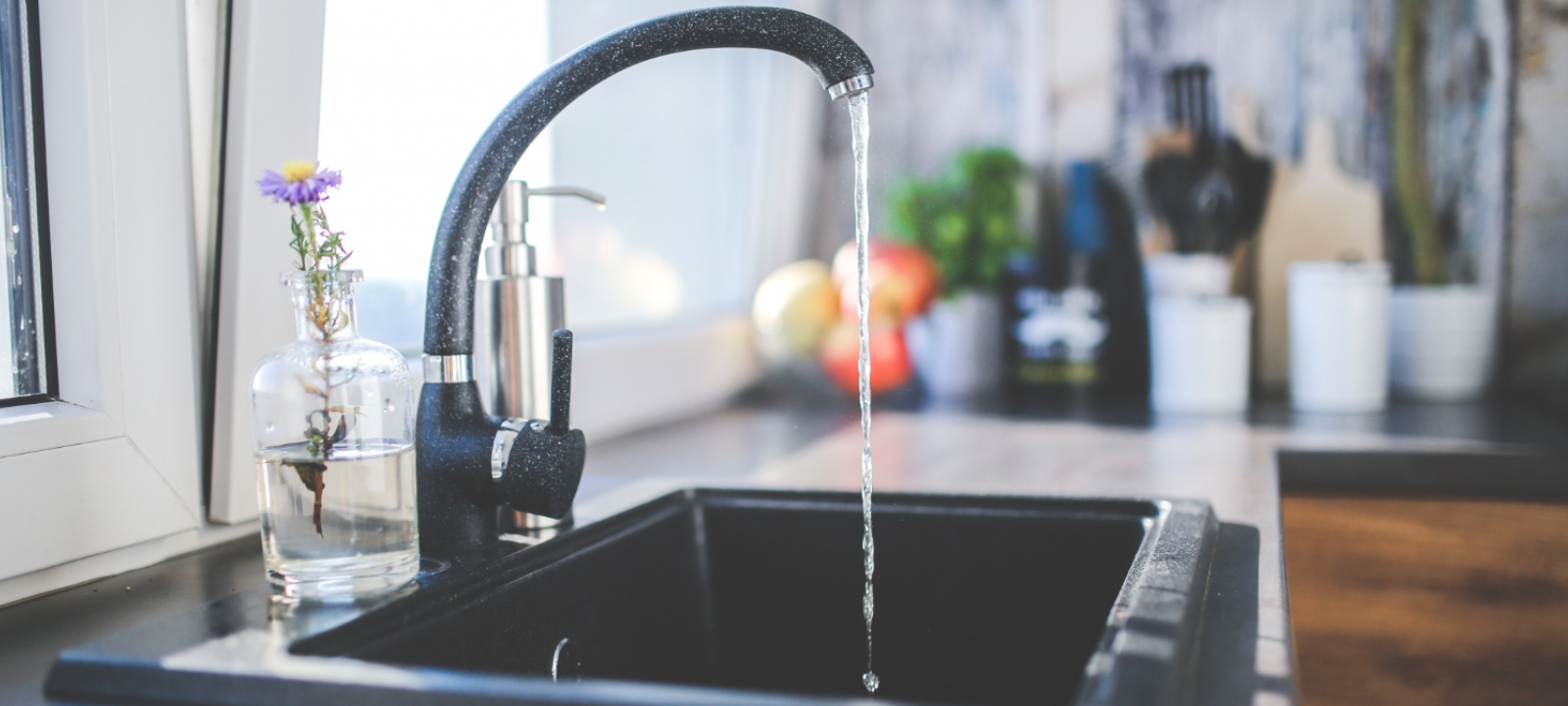
Standard taps often use more water than needed for daily habits like washing hands or rinsing dishes. Aerators and low-flow taps reduce flow while maintaining normal-feeling pressure. This makes them one of the easiest plumbing upgrades homeowners can choose.
Where They Make a Difference
- Kitchen sinks get used multiple times a day
- Bathroom taps are used for instant daily tasks
- Guest bathrooms with reduced overall usage
- Utility rooms for washing hands frequently
Pro Advice
A professional plumber suggests aerators that match your existing tap fittings without a full replacement.
Leak Detection Systems
Even a small hidden leak can waste a lot of water over time without triggering any alarms. A leak detection system can help you track your plumbing system consistently and alert you to anything outside the norm.
What These Systems Catch
- Slow leaks behind walls or under the floors
- Dripping pipes across hard-to-reach spaces
- Sudden water outbursts or pressure fluctuations
- Unusual water flow while you’re still away
Pro Advice
Professional placement of leak detection sensors can spot issues where they’re more likely to happen. So, it's important to understand common plumbing emergencies and spot early warning signs before the sensor raises an alert.
Water-Efficient Showerheads
Most standard showerheads use a lot of water, especially when homeowners take long showers. Water-efficient showerheads can limit water flow or mix water with air to maintain pressure.
What Changes With This Upgrade
- Limited water flow during every shower
- Identical water pressure compared to other standard heads
- Less use of hot water and energy
- Ease of retrofitting onto several existing systems
Pro Advice
A professional plumber can recommend the right water-pressure type before you invest in one that doesn't perform.
Smart Water Meters
A smart water meter continuously tracks how much water your home uses in real time instead of relying on estimated readings. This makes it easier to detect unusual rises in water usage, which is often the first sign of a hidden leak.
What You Can Track
- Tracking regular or hourly water usage
- Sudden rise that indicates a leak
- Seasonal fluctuations in water use
- Water use compared to other similar-sized properties
Pro Advice
A plumber can set up your entire home’s system to ensure accurate readings from day one.
Greywater Recycling Systems
Greywater recycling systems can collect reused water from showers, sinks, or baths and use it to flush toilets or water the garden. This is the most significant upgrade for reducing the amount of fresh water a household needs daily.
Where the Water Gets Reused
- Used across toilet flushing systems
- Outdoor taps and garden watering
- Washing machine pre-fills in certain setups
- Use of non-drinking water needs around the home
Pro Advice
Greywater systems involve more extensive plumbing work than several other upgrades on our list, as they require separate pipework. So, homeowners across the UK often look for experts experienced in this type of work. For instance, if you’re located in Essex, most homes have enough garden space to support greywater reuse. So finding plumbers in Essex can help you check whether your system matches your home.
Water-Efficient Appliances
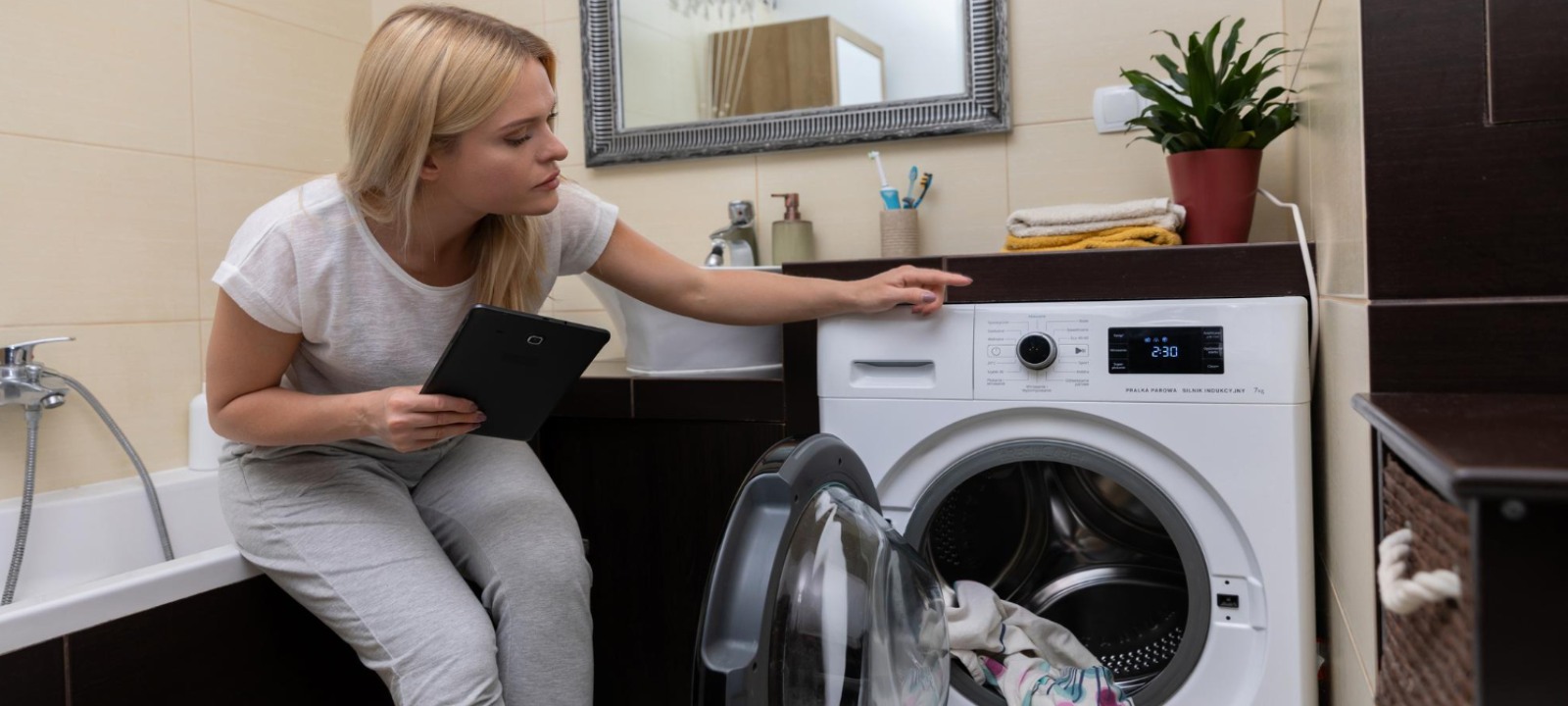
Washing machines and dishwashers account for a large share of household water use, and older models are often far less efficient than current ones. Choosing water-efficient appliances can reduce water use per cycle without changing how often you actually run them.
What to Check Before Buying
- Water efficiency ratings on the label
- Load capacity matched to household size
- Compatible plumbing connections
- Eco or reduced-water cycle options
Pro Advice
New appliances need to be connected correctly to actually deliver their efficiency ratings, particularly around water pressure and drainage. A professional plumber can handle the installation and check everything is running as it should.
Making Water-Saving Upgrades Work for Your Home
Cutting back on water waste doesn't have to mean a complete overhaul of your home's plumbing, since even a few targeted upgrades can make a real difference over time. Getting the installation right matters as much as choosing the right fixture, since a poorly fitted upgrade rarely performs as it should. BuilderWing helps homeowners across the UK connect with trusted local plumbers, making it straightforward to compare options and get the work done properly.
Post a project today on BuilderWing and start turning your home into a more water-efficient one.
Frequently Asked Questions
How much can water-saving upgrades actually reduce my water bill?
Savings vary by upgrade and household size, but combined changes like efficient taps and toilets often noticeably lower typical water bills.
Do I need planning permission for any of these upgrades?
Most water-saving upgrades don't need planning permission, though larger changes like greywater systems may require building regulations approval.
What other tradespeople might I need for a wider home upgrade?
Electricians are often needed for smart meters or connected devices, while builders may help if pipework changes affect walls or flooring.