Quick Answer
In a professional roof inspection, roofers will check tiles or slates, chimneys, flashing, gutters, the overall structure and the loft for signs of leaks. They explain every fault found and recommend whether the roof needs upkeep, repair or further assessment.
A roof plays an integral role in safeguarding your home. However, it's not easy to spot issues from the ground, so small problems can remain unnoticed till rainwater starts getting inside. Most homeowners only check their roof when a leak appears, and that is when repairs cost the most. A roof inspection is a planned check of the roof's surface, drainage, joints, and loft to catch issues early. Knowing what a roofer checks helps homeowners understand a report and ask sensible questions.
During most visits, roofers inspect the roof by following a series of checks, starting outside the home and ending in the loft. These checks can identify issues such as slipped tiles, water leaks, and wet or damaged timber. Homeowners who plan to hire roofers in the UK for a thorough inspection will get a clear idea of the existing roof’s condition and a list of what needs attention first.
How Often Should a Roof Be Inspected in the UK?
Many homes in the UK need a full roof check at least once a year, mainly in spring or autumn and after severe weather. Ageing roofs and homes with nearby trees may need more frequent inspections, as wear, moss, and debris build up faster.
The following factors will help decide how frequently a roof will need an inspection:
- The condition and the age of the roof
- The roof type and material used
- Exposure to weather conditions such as wind, rain, and snow
- Trees that overhang or touch the roof
- Hail, storm or impact damage
- Repairs done sooner or identified weak spots
Older or highly exposed roofs need frequent inspection, and early repairs are cheaper than fixing extensive water damage later. For instance, Essex, a county in the East of England with a long coastline, has many homes exposed to stronger winds and heavy rain. So homeowners can hire roofers in Essex to inspect exposed properties.
The Roof Inspection Checklist Roofers Follow
A professional roof inspection follows a complete process in which roofers check each part of the roof from the outside in and never miss a spot.
Tiles, Slates and the Roof Surface
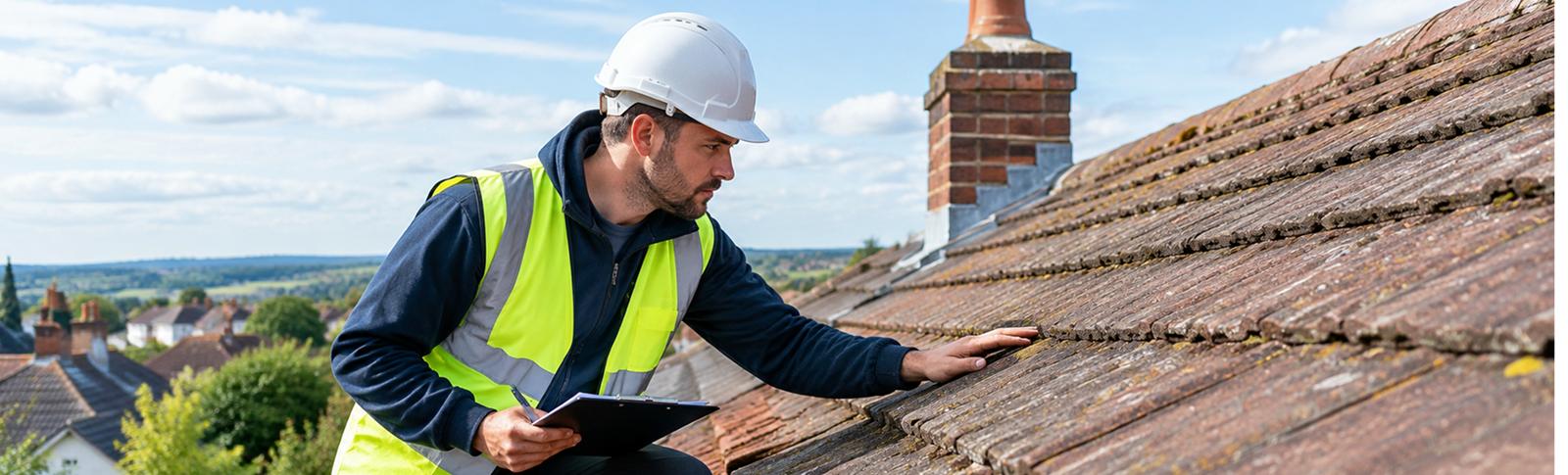
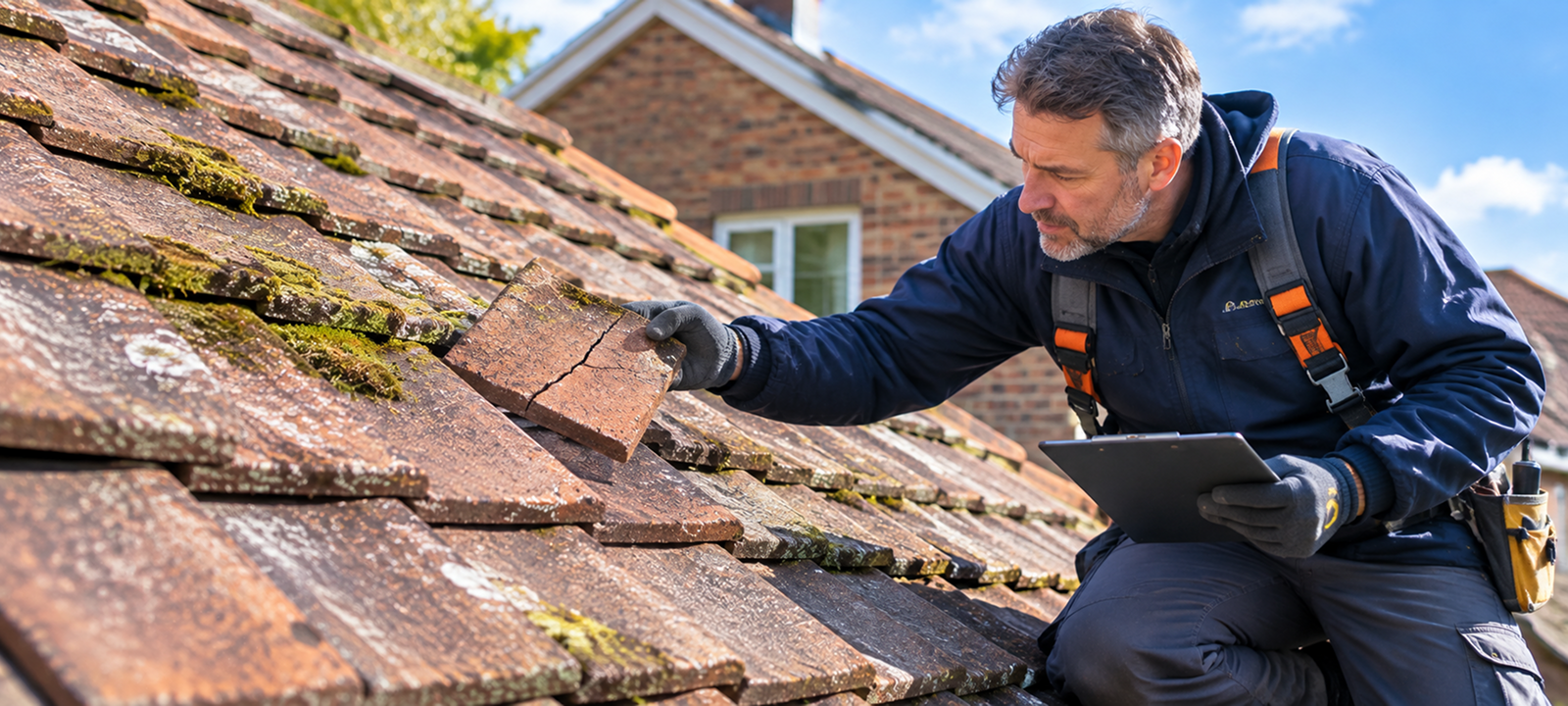
Roofers usually start by inspecting the roof’s surface, as tiles and slates are heavily affected by weather. They will check for cracks, slipped or missing pieces, damaged edges, moss growth, and uneven areas that indicate that the layer underneath the roof is failing or holding water.
Here is what roofers look for:
- Cracked or chipped slates or tiles
- Missing or slipped roof tiles
- Lichen, moss and buildup of debris
- Sagging or uneven roof sections
The first signs of damage mainly appear on the surface of an ageing roof. So, finding these issues can help you decide between a small repair or a roof upgrade for older homes to improve protection and warmth.
Flashing, Chimneys and Roof Joints
Rainwater can enter your home through weak spots where the roof connects with other parts of the house. Professional roofers will often inspect the flashing around chimneys, vents, and walls. They will also check the mortar on chimney stacks and the ridge and valley lines, since small gaps in these joints can let rainwater into your home.
Here is what roofers look for:
- Worn-out flashing or cracked at edges
- Breaking down mortar on chimney stacks
- Gaps along the ridges and valley lines
- Sealant that has split or dried out
Roofing joints fail gradually, so recognising signs of roof damage sooner helps you act faster. This includes detecting damp patches on the ceiling below, which lets you act quickly and prevent leaks.
Gutters, Fascias and Drainage
Gutters carry rainwater away from the roof edge and walls. Roofers will check that gutters are level and clear, fascias and soffits are strong, and downpipes drain freely. This matters because overflowing water can rot timber, stain walls and soak brickwork.
Here is what roofers look for:
- Gutters that are sagging or blocked
- Leaking joints and loose brackets
- Rotten or flaking fascia boards
- Blocked or leaking downpipes
Drainage issues are often easier to fix, and an experienced roofer will note what they can cover and what needs another trade. This helps homeowners find tradespeople in the UK to handle jobs beyond roofing fixes.
The Loft, Insulation and Roof Structure
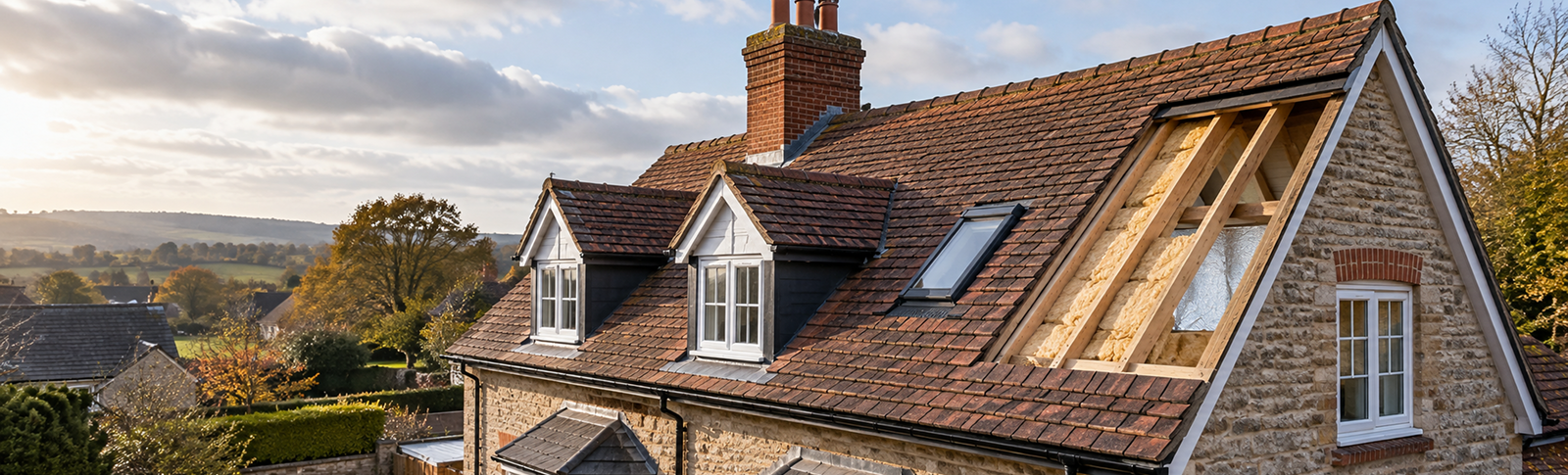
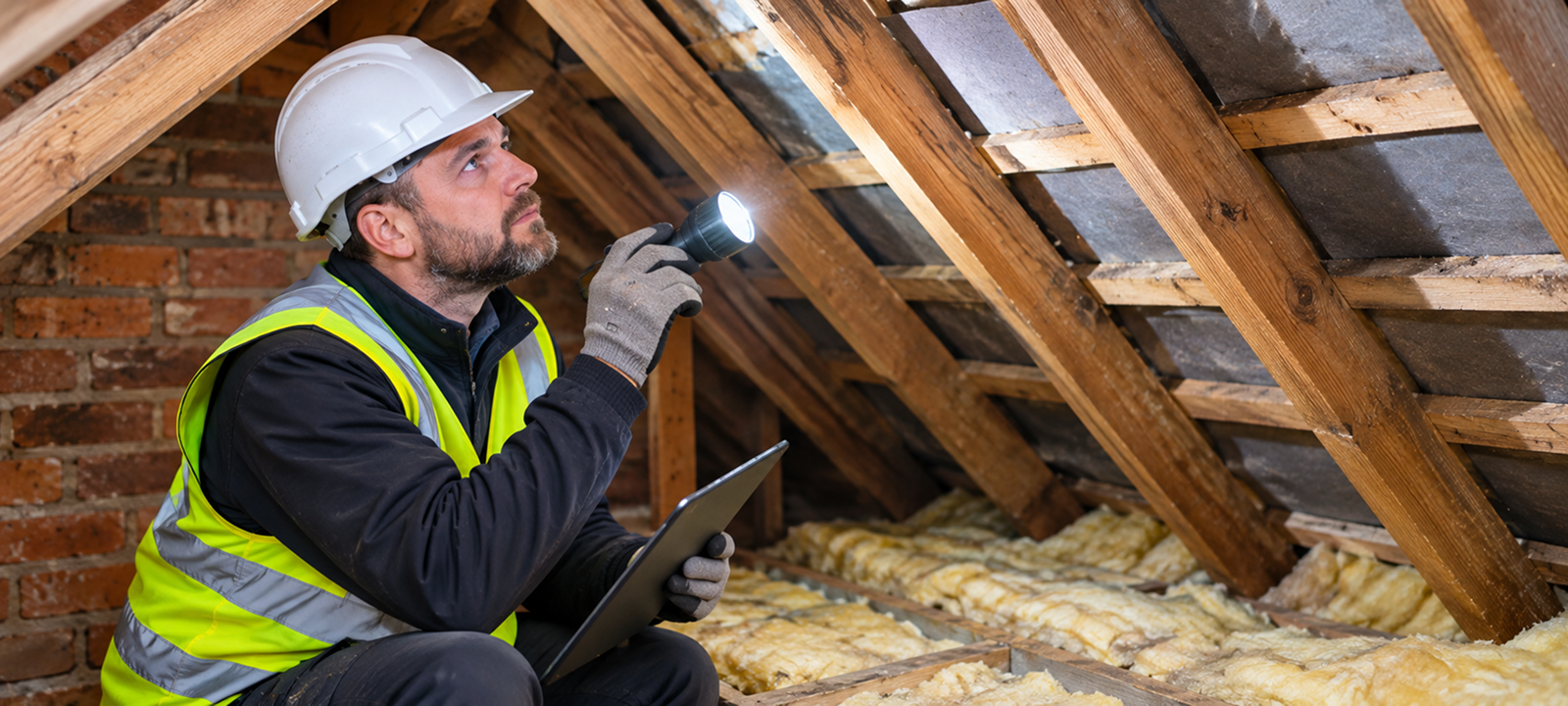
Most issues start from a loft’s interior. Roofers will inspect the rafters and battens for signs of sagging or rot. They will also inspect the underside of the roof that's exposed to daylight and damp to check whether the insulation is dry, even and not blocking airflow.
Here is what roofers look for:
- Inspecting rot in battens and rafters
- Daylight that shows through the roof
- Damp stains or dark patches
- Insulation that’s uneven or wet
Inspecting the roof from underneath will explain what the outside view cannot. It informs the roofer whether moisture is entering through the surface or building up from a poor loft airflow.
Reports, Photos and Next Steps
After the checks, the roofer explains what they found and how urgent each item is. Many give photos or a written report, so you can see the faults for yourself and decide what to repair first and what can wait.
Here is what roofers look for:
- Photos of each fault found
- Faults ranked by how urgent
- Repair options and likely costs
- Advice on when to recheck
A clear report lets you compare quotes with confidence, plan repairs around your budget and keep a record of its condition, so nothing is left to guesswork.
Compare Local Roofers and Quotes on BuilderWing Before You Book
Choosing a roofer is easier when you can compare options. BuilderWing is an online marketplace where UK homeowners post their roofing requirements. The platform helps you connect with interested local roofers, review professional profiles and compare quotes before choosing.
Follow these steps to find the right roofer for your roof inspection:
- Describe the roof and the work needed
- Post the details as one project online
- Review profiles and compare the quotes you receive
- Choose the roofer who best suits your roof
Clear details about your roof help roofers quote more accurately. Post a project today and compare responses from local roofers before you book your inspection.
Protecting Your Home Through Better Roofing
A roof is easy to ignore because it sits out of sight, yet it protects everything inside the home. Looking after it does not need constant attention, only a sensible routine and a willingness to act when something changes.
Every roof is different, so the right schedule depends on the building's age, the materials used, and the weather it faces, and a good roofer will tell you plainly when the next check is due.
Frequently Asked Questions
How Long Does a Roof Inspection Usually Take?
Many inspections take around an hour for an average home. Large roofs or difficult access can take longer, so ask the roofer for an estimate.
Do Roofers Need to Walk on the Roof?
Not always. Many roofers use ladders, binoculars or drones to check the surface from a distance and step onto the roof when it is safe.
Which Other Tradespeople Might I Need Besides a Roofer?
Builders handle structural repairs, carpenters and joiners replace rotten timber, plasterers repair ceilings, handymen fix interior damage and cleaning services clean up after the work.