Quick Answer
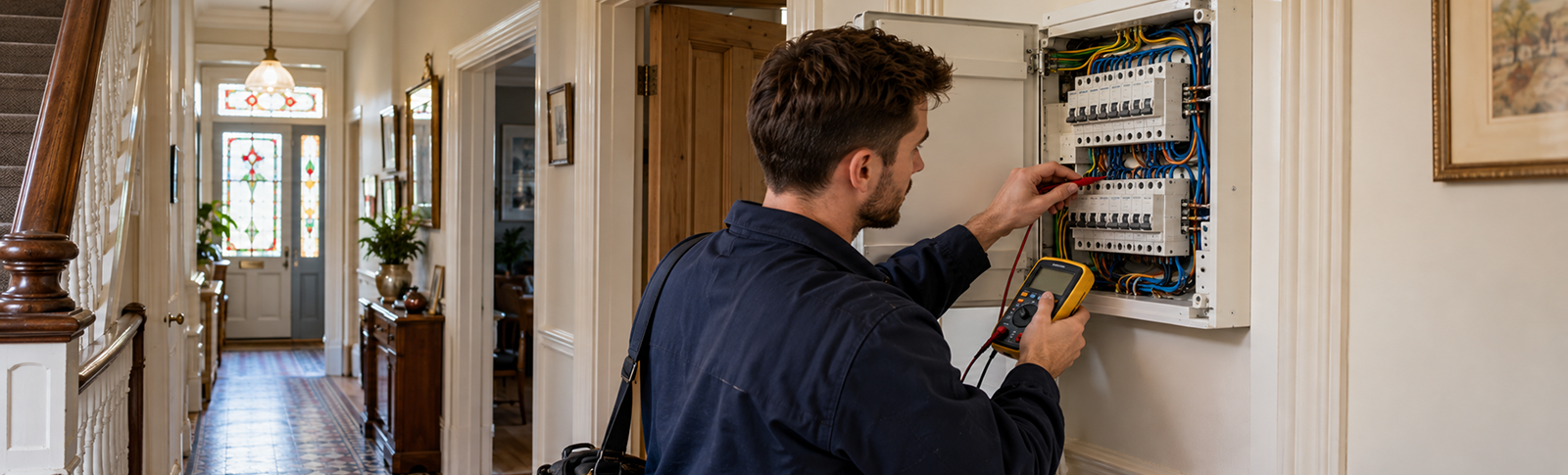
Regular electrical inspections for older homes can detect worn wiring, outdated fuse boxes, and missing safety protection before they cause electrical shocks or fires. Most homes need a complete electrical inspection once every 10 years, and rented homes at least every 5 years.
People rely on their home's wiring every day but hardly check if it is safe. That habit becomes a real issue in older properties where electrical connections have loosened over the decades, and insulation has aged. Homeowners of older properties often overlook the problem until it starts damaging appliances, tripping the power or starting a fire, and by then it's often more expensive to fix.
A professional electrical inspection often replaces assumptions with clear evidence. A qualified electrician can test the circuits with the right tools, record their findings and rank each issue by urgency. This helps you decide which issues need immediate repairs and which can wait. For a proper electrical inspection, hire an electrician in the UK who can inspect the wiring and clearly outline the repairs needed.
Why Are Older Homes More Likely to Have Electrical Faults?
Electrical wiring doesn't stay in good condition forever, as older wires may need inspection to ensure they still work safely. In an older home, cable coverings can dry out, joints can loosen, and safety parts can be damaged. A home's age matters, along with what’s been added to it. Extensions, loft conversions and new showers are often connected to the old circuits.
There are several common faults that an inspection can detect in an older home, such as:
- Cable coverings that can damage or crack over time
- Fuse boxes without modern shock protection
- Wiring cut or drilled through by other tradespeople
- Past DIY work that no one has recorded earlier
- Loose wiring joints that get hot in use
- Lighting circuits without any earthing wire
Such electrical faults can be easily overlooked unless an electrician detects them early. An online marketplace can help you find a reliable tradesperson in the UK for this type of job. So, explain your home’s age and what you need in a single request. Local electricians will then reply with their experience handling older wiring.
How Regular Electrical Inspections Protect Your Older Home
Each factor below highlights the benefits of a proper check and why older-home electrical inspections are worth repeating regularly.
Finding Hidden Faults Before They Cause Damage
Most wiring faults happen without any warning. Cables run behind plaster and under floorboards, so faults can develop over the years while everything else appears normal. Regular electrical inspections can catch them early, even if the fault is small and cheap to fix.
Here is what this involves:
- Visual inspection of wiring and sockets
- Testing cables hidden behind floors and walls
- Inspecting loft and under-stair wiring
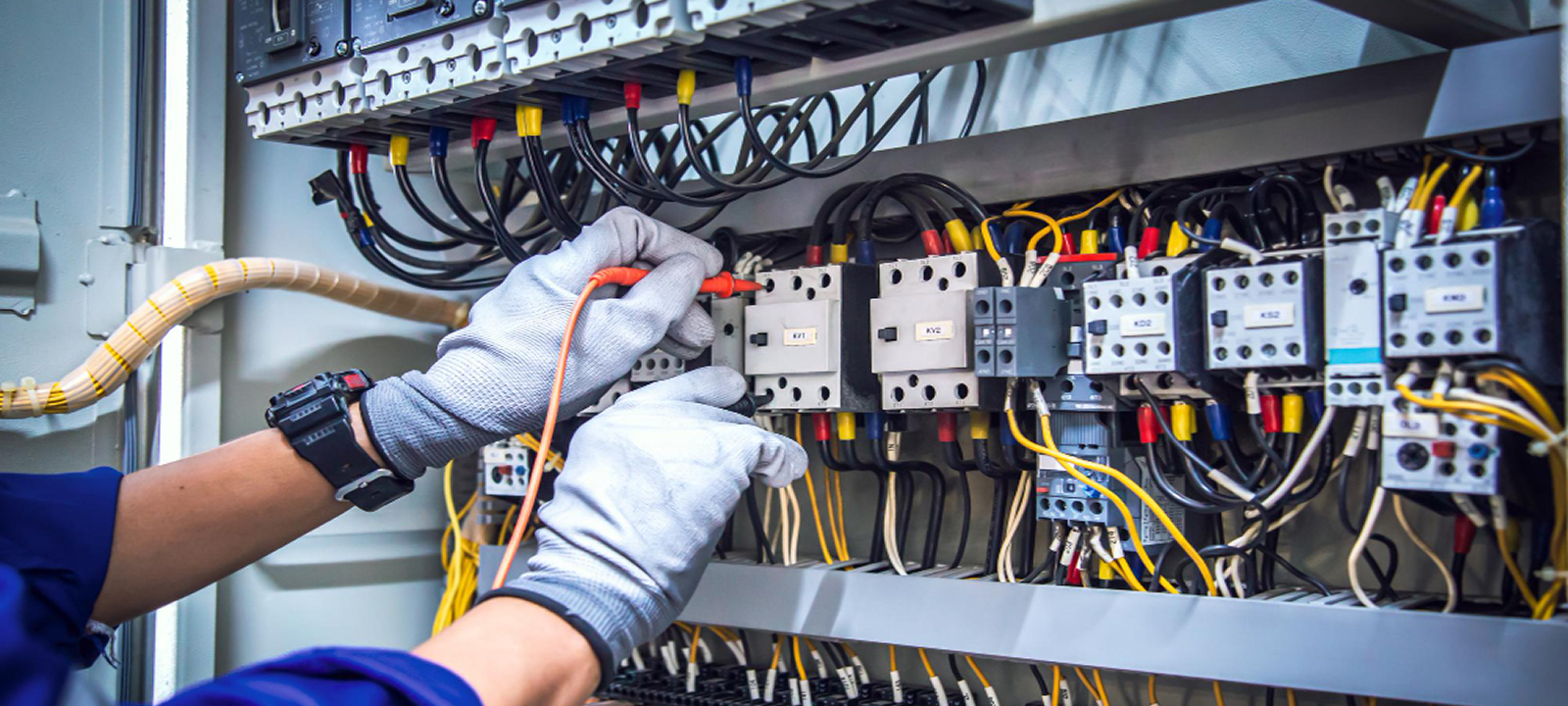
- Detecting signs of electrical damage or overheating wiring
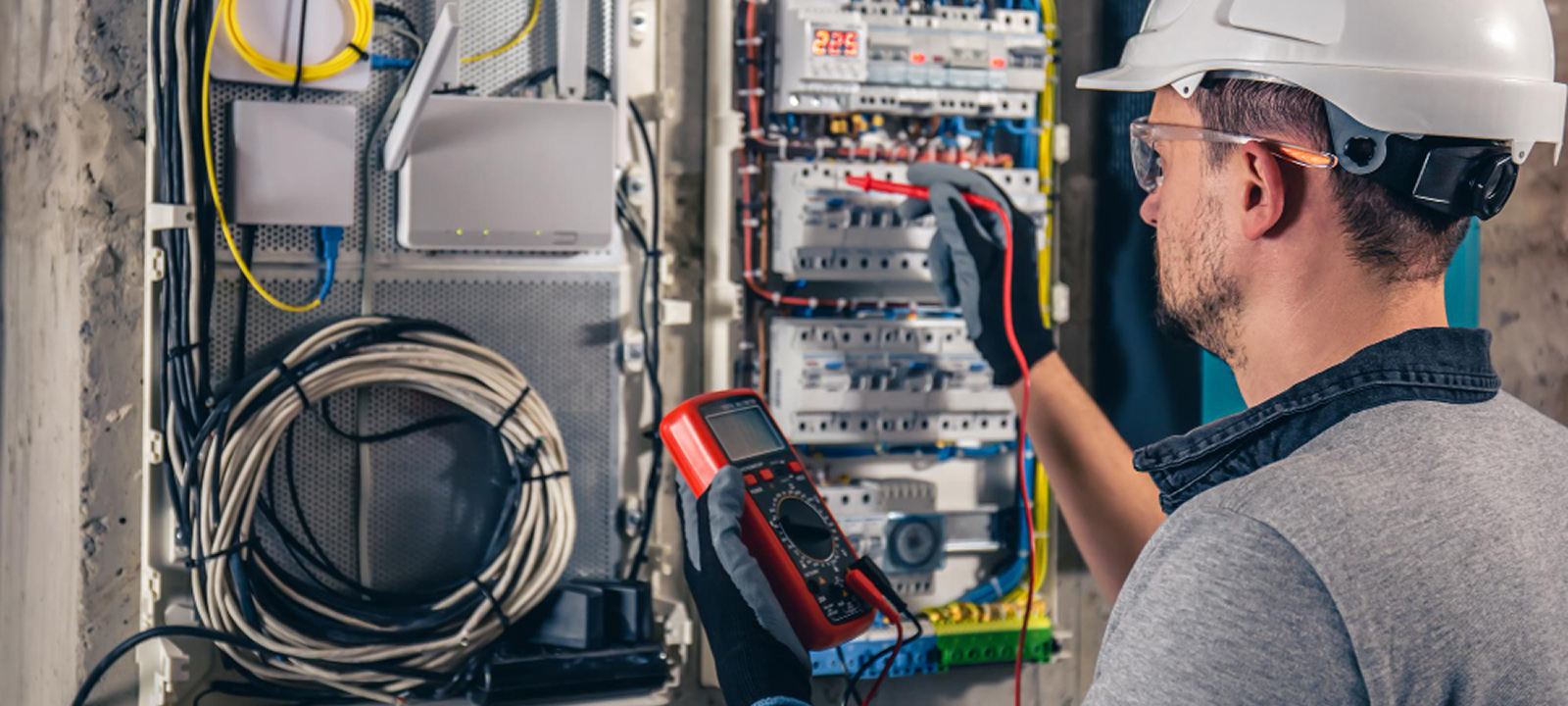
A qualified electrician can detect faults that are hard to see. Hidden faults such as warm sockets, burning smells or buzzing switches are common electrical warning signs homeowners should watch for.
Reducing the Risk of Shocks and Fires
Older fuse boxes lack safety switches, and damaged connections can heat up under load. An electrical inspection will check the parts that safeguard your home. So, when a fault happens, it cuts the power instead of starting a fire or causing an electric shock.
Here is what this involves:
- Safety switches or RCDs on every circuit
- Earth links to metal pipework
- Conditions of the fuse box
- Overheating or loose wiring connections
An electrician will test that the safety switches trip when they should, which a normal visual inspection can hardly show. If the fuse box is outdated, they would quote for electrical upgrades in an older home, such as installing a new fuse box.
Checking Old Wiring Against Modern Appliances
Older homes have very few sockets, so people use extension leads to connect more appliances when they can't reach an available socket. Plug in a heater, a kettle and a dryer, and a worn circuit can overheat easily. A thorough inspection shows which circuits are working and which are overloaded.
Here is what this involves:
- Condition and number of sockets
- How much power each circuit can carry
- Extension leads or overloaded adaptors
- Heat marks on sockets and plugs
An electrician can inform you if you need more sockets or a separate circuit. Older terraced homes are common across the UK, mainly in the Manchester region in the north west of England. For instance, a homeowner looking for electricians in Manchester can ask local firms familiar with these properties for a quote.
Avoiding Costly Repairs Later
Fixing a failing cable or loose connection costs less when you spot the issue early. Ignoring it can damage walls, appliances, and fittings, and costs grow with every year the fault goes unnoticed.
Here is what this involves:
- Minor repairs orderly listed
- Urgent faults separated from minor ones
- Work that’s planned around your budget
- Fewer surprises during other building or renovation jobs
An electrician can price repairs before you sign a contract and complete them in a single visit. This is why homeowners should know average electrician costs in the UK, so you can spot a quote that seems too high or too low.
Keeping a Clear Record of Your Home's Condition
Every electrical inspection ends with a documented report that you can keep. The report shows whether the electrical system is safe or needs attention. It lists any problems found, how soon they should be fixed, and when to schedule the next inspection.
Here is what this involves:
- An overall assessment of the system’s condition
- C1 and C2 faults that need action
- C3 notes that can wait
- Recommended date for the next inspection
A professional inspection explains each code in simple terms and helps you decide what to fix first. This helps you deal with urgent faults before the smaller ones.
Get Your Older Home Checked by the Right Electrician
Looking after an older home means keeping an eye on things you cannot see. Wiring is one of them, and the best time to check it is before anything goes wrong. A good inspection depends on an electrician who knows older properties and explains things clearly.
Finding the right electrician is often what delays an inspection. BuilderWing is an online marketplace for finding local tradespeople in the UK, so you post the job once and nearby electricians get in touch.
Post a project today and have a local electrician you choose check the wiring in your older home.
Frequently Asked Questions
Should I Get an Inspection Before Buying an Older Home?
Yes. A report before you commit can reveal hidden faults and likely repair costs so that you can negotiate a fair price. It also tells you if the wiring is safe today.
Do I Need to Leave the House During an Inspection?
No. You can usually stay home, but expect short power cuts while each circuit is switched off, so save your work first and unplug computers and any other sensitive equipment.
Which Other Tradespeople Might I Need Besides an Electrician?
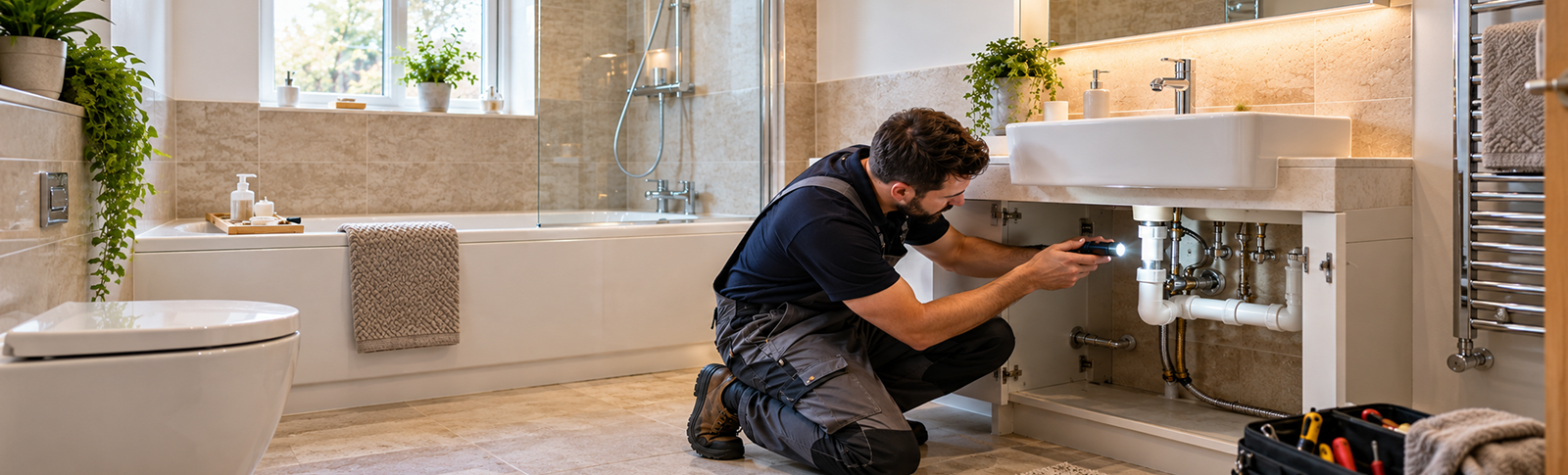
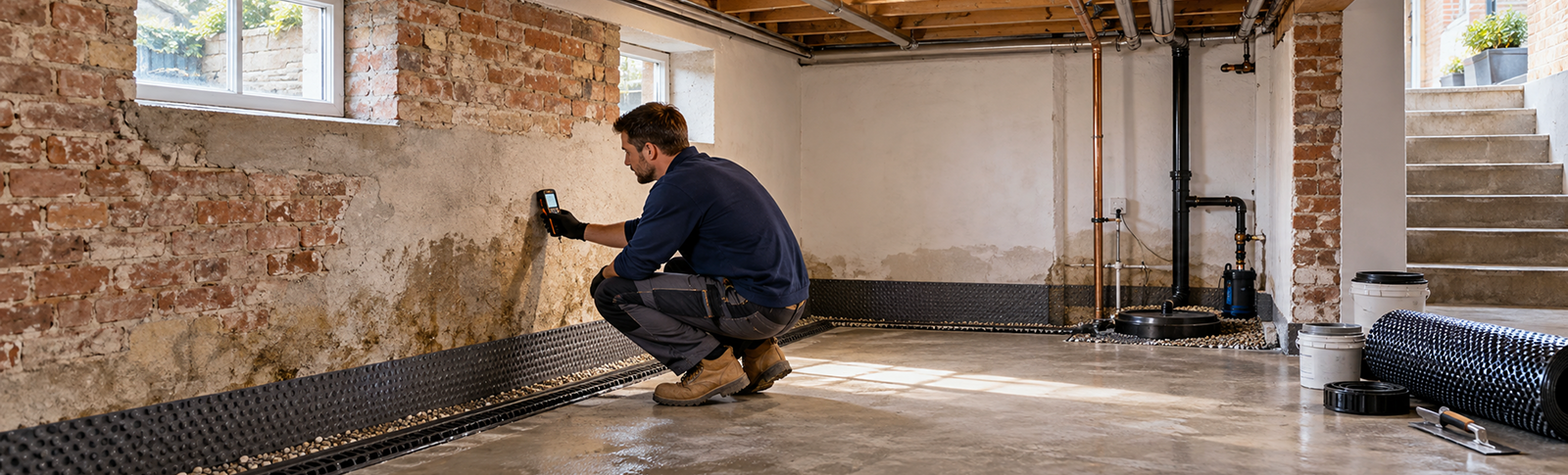
Damp-proofing specialists, roofers, tilers and kitchen fitters may help because leaks, damp, boilers and floors can affect wiring or need fixing after any electrical work.