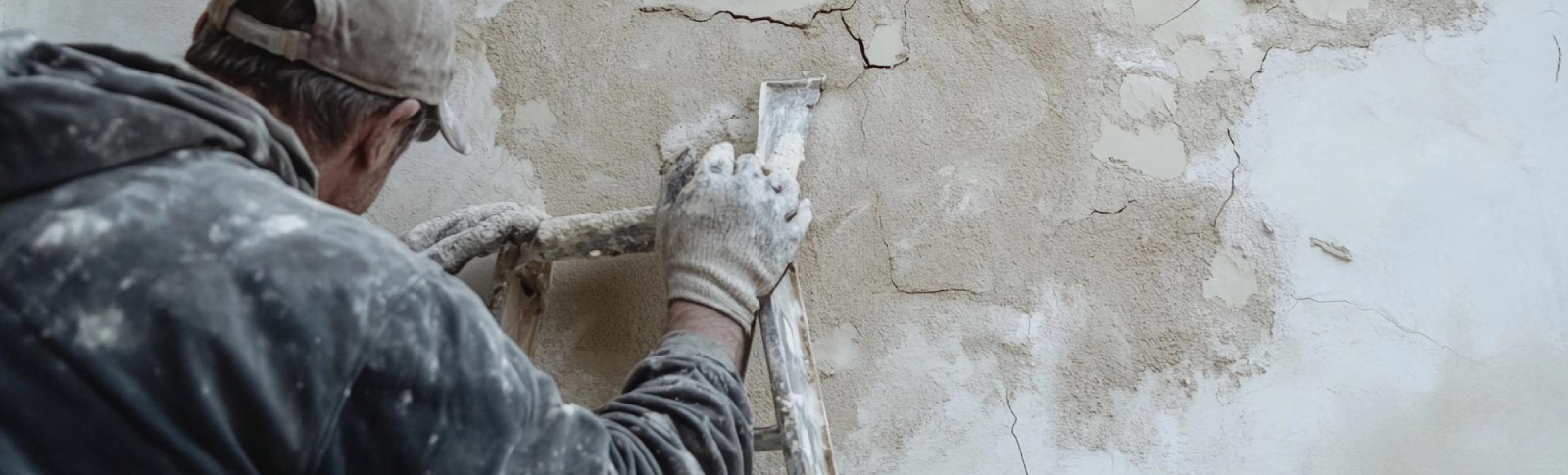
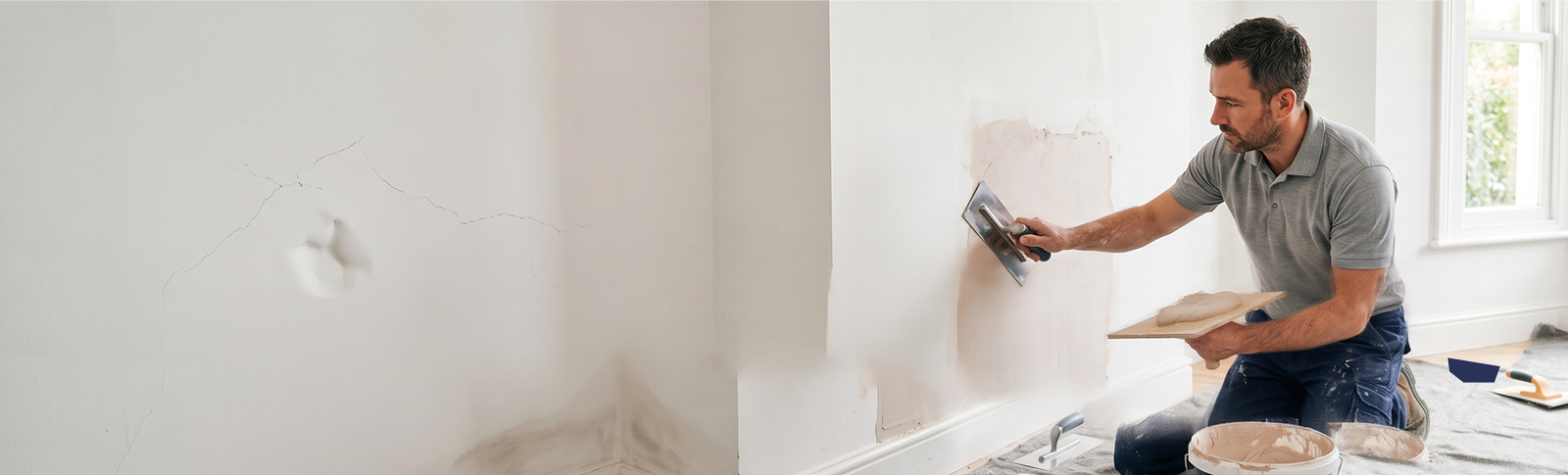
Quick Answer
Cracks in plaster are commonly caused by the property’s natural shifting, temperature changes, or ageing. If a crack continues to grow or looks like something’s not right, that is when you need to hire a plasterer in the UK to stop minor issues from becoming major repairs.
A crack in your home’s plaster can appear alarming even when it isn’t. It can look entirely harmless when it needs attention. The main thing is knowing the different types of cracks and why they happen. So, a clear idea of what’s normal and what isn't puts you in a stronger position before any repair work starts.
Getting a proper opinion matters more than guessing based on how a crack looks. Homeowners who hire plasterers in the UK through an online marketplace can describe the issue, share a few photos, and get real feedback from someone who deals with this kind of work every day, long before any repair actually begins.
Recognising the Different Types of Plaster Cracks
Not all cracks indicate the same cause. The shape of a crack is a strong sign of what’s really going on. So, knowing the main types makes it easier to judge how urgent an emergency repair is.
Let’s take a quick look at the different types of cracks in plaster that homeowners come across:
| Crack Type |
What It Usually Means |
| Hairline |
Usually indicates minor surface wear and is rarely a concern |
| Vertical |
Often associated with natural settling of the home |
| Horizontal |
May indicate more significant structural movement |
| Diagonal |
Commonly found around doors and window frames |
| Map Cracking |
Often associated with ageing or lower-quality plaster |
Each type of crack behaves differently, so here’s what you can expect from each one:
- Hairline cracks are thin cracks on the wall’s surface
- Vertical cracks appear as a home settles
- Horizontal cracks indicate serious structuralmovement
- Diagonal cracks form near doors and windows
- Map cracking might spread across a ceiling or a wall
Understanding each type you’re dealing with can help you assess how urgently it needs professional attention. Today, online marketplace platforms make it easy to find reliable tradespeople in the UK. This helps homeowners gain better professional insight instead of relying on assumptions.
What's Actually Causing the Cracks in Your Walls and Ceilings
Here are a few common reasons plaster cracks appear, along with signs that require professional attention. So, here’s a quick preview of what each cause generally involves:
| Cause |
What Typically Triggers It |
| Natural Settlement |
New builds or recent renovations settling into place |
| Moisture and Damp |
Leaks, condensation, or poor ventilation |
| Temperature and Humidity Changes |
Seasonal expansion and contraction of materials |
| Structural Movement |
Ground shifts or issues with the foundation |
| Poor Quality Plastering |
Rushed application or low-grade materials |
| General Wear and Age |
Plaster naturally weakening over many years |
| Vibrations |
Nearby construction, heavy traffic, or slamming doors |
Natural Settlement in New or Renovated Homes
New homes or freshly renovated properties often settle into their foundation in a year or two. This movement can cause thin cracks in the plaster, mainly around windows, door frames, and ceiling joints where materials meet.
Where Settlement Cracks Appear
- Around door and window frames
- Where walls meet ceilings
- Near recently added extensions
- Along joints in plasterboard
When to Worry
Small, thin settlement cracks usually aren't a concern and often stop appearing after a year or two. However, if it keeps spreading, you need professional attention.
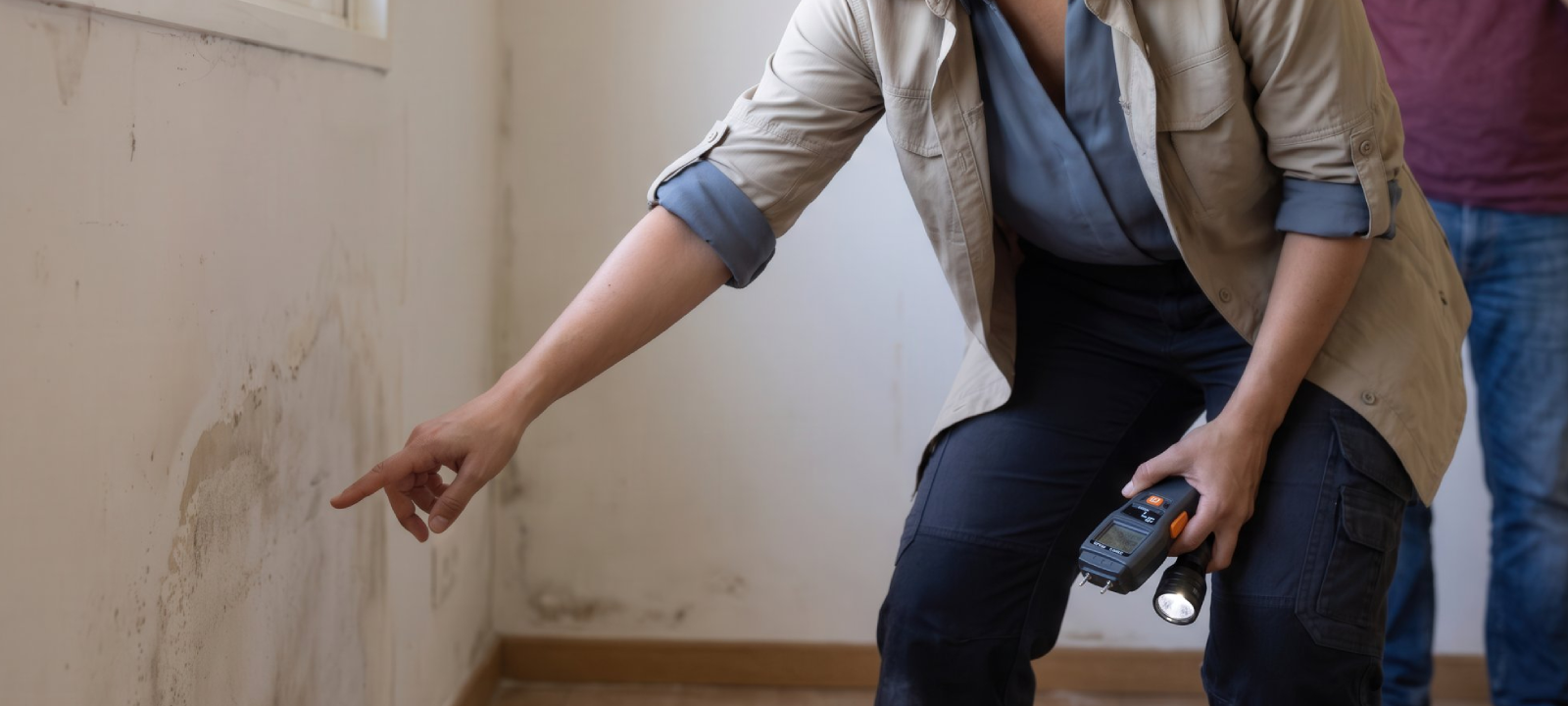
Moisture and Damp Problems
Excessive moisture from leaks, condensation, or poor ventilation often slowly weakens the plaster. This causes cracks, bubbles, or crumbling. Damp-related cracks are often associated with damp patches, discolouration, or a musty smell that is hard to dry out.
Signs Damp Is the Cause
- Cracking associated with discolouration or fading
- A musty smell throughout a room
- Patches that remain damp to the touch
- Peeling paint or bubbling plaster
Don't Delay
Damp-related cracks worsen if left untreated for too long. Moisture continues to weaken the plaster. Homeowners can avoid this issue by taking steps to prevent damp during autumn and winter.
Temperature and Humidity Fluctuations
Plaster naturally expands and contracts as temperature or humidity changes. Homes with major heating changes or poor insulation move more, which can show up as smaller cracks.
Where This Shows Up Most
- Rooms are heated unevenly
- Places close to heaters or burners
- Lofts and extensions that lack insulation
- Walls that receive direct sunlight
When It Persists
Keeping indoor temperatures consistent may reduce these changes. If cracks keep showing up in the same place every season, pro plasterers might recommend a permanent solution.
Structural Movement in the Building
Sometimes, plaster cracks happen because of issues beneath the surface, like ground movement. Diagonal cracks are usually wider than surface-level cracks.
Warning Signs to Watch For
- Cracks thicker than a few millimetres
- A pattern that is stepped or diagonal.
- Sticky doors and windows.
- Cracks that consistently expand
Get It Checked
Structural cracks are one of the few situations where waiting truly makes things worse. Homeowners across the UK often seek local experts, and Edinburgh is a good example, as many tenement buildings are prone to this type of movement. Homeowners seeking a local plasterer in Edinburgh can get a professional assessment before the repair work starts.
Poor Quality Plastering Work or Materials
Not every plasterer will finish a job to the same standard. A natural phenomenon may have reduced the material because the work wasn't done properly. Applying thinner layers or not allowing enough drying time can cause cracking sooner than anticipated.
Signs of Poor Workmanship
- Within a few months, cracks started to appear.
- Walls with irregular or uneven surfaces.
- Plaster that feels soft or crumbly.
- Evident trowel imprints or bumps.
Time to Redo
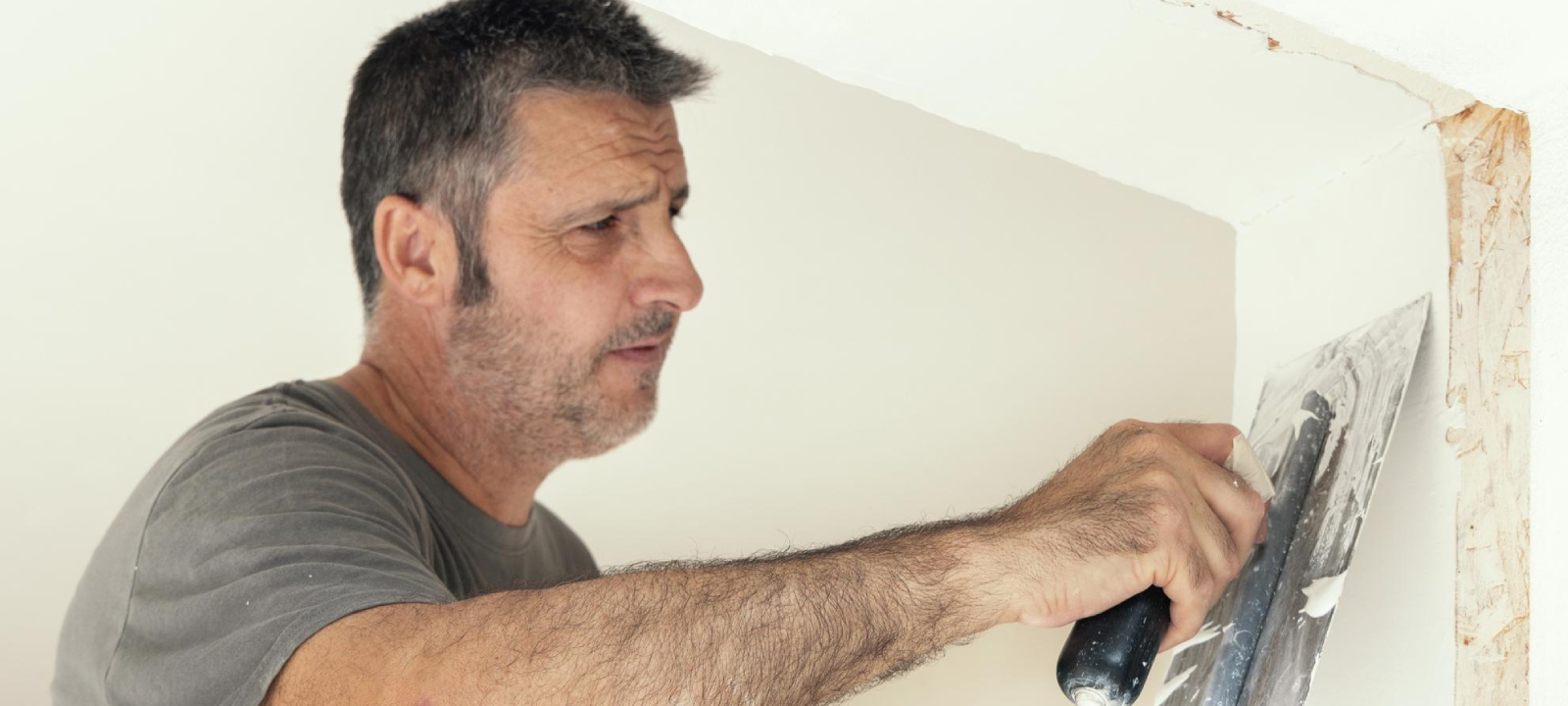
Poor-quality plastering rarely improves and will need to be stripped back and redone. You’ll often notice this early cracking, as it is a common wall issue plasterers fix. Other issues can include patchy finishes and uneven surfaces.
General Wear and Age of the Plaster
Plaster doesn't last forever, and older homes often develop fine cracks simply because the material has aged and lost some flexibility. You can see this gradual wear on ceilings and walls.
How Age-Related Cracks Look
- Fine cracks appear over wider areas
- Filling cracks that open up again
- Somewhat dusty or chalky surfaces
- Change that is gradual and not damaging
Time to Repair
Upon fixing the cracks, most homeowners take the opportunity to paint the entire room at once. Knowing the cost to paint a house in the UK beforehand will help you plan the full job, from patching to the final coat.
Vibrations From Nearby Activity
Vibrations can also crack plaster, not necessarily a real structural issue.Nearby roads or railways can be busy with construction work. Constantly slamming doors or heavy foot traffic can have the same effect on older or thinner walls.
Common Vibration Sources
- Nearby roadworks or construction
- Passing heavy traffic or railways
- Frequently slammed doors
- Appliances on shared walls
When in Doubt
Unlike structural movement cracks, vibration cracks tend to be fairly thin and rarely widen much. If you’re not sure what type it is, a plasterer can tell at a glance.
Getting the Right Help for Cracked Plaster
Cracks in plaster rarely need to be a source of stress once you understand what's behind them and how urgent they actually are. The right fix depends entirely on the cause, and getting that wrong usually means paying for the same repair twice. BuilderWing gives homeowners a straightforward way to find trusted local plasterers across the UK and compare who's genuinely right for the job.
Post a project today and start getting quotes from plasterers who know exactly what they're dealing with.
Frequently Asked Questions
How much does it typically cost to repair a cracked plaster wall?
Small repairs are usually inexpensive, while larger cracks requiring replastering cost more. A written quote from a local plasterer gives the most accurate estimate.
Can I paint over a crack without repairing it properly first?
Painting over an unrepaired crack may only hide it temporarily. Properly repairing the cause first helps prevent the crack from returning.
What other tradespeople might I need alongside a plasterer?
You may need electricians or plumbers for hidden wiring or pipework, while painters, decorators, or carpenters can finish the job.