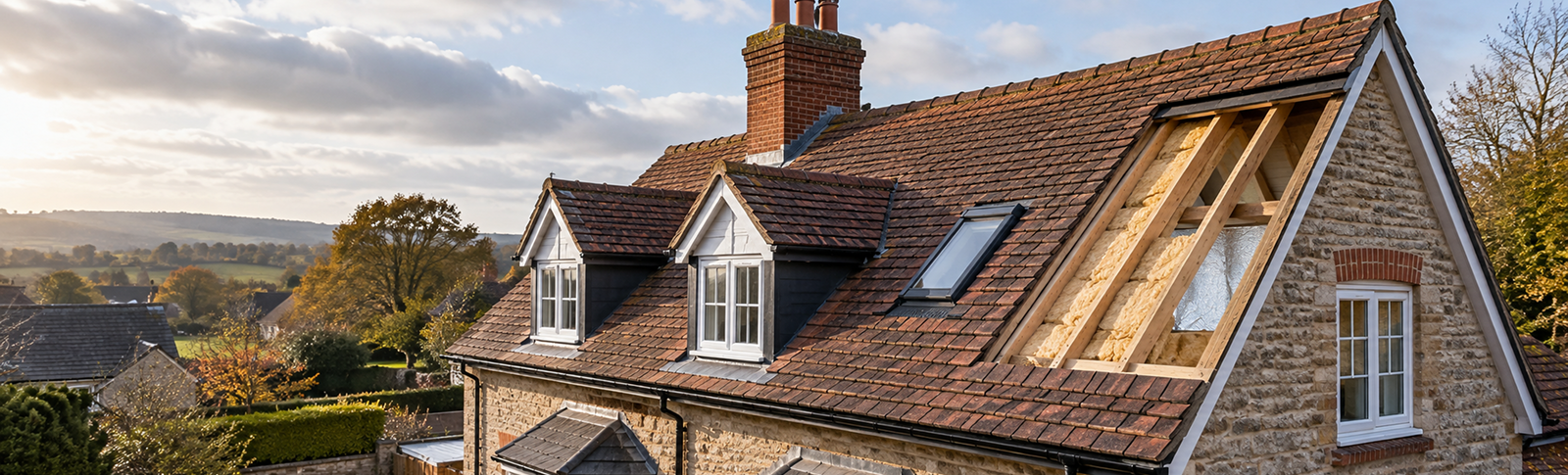
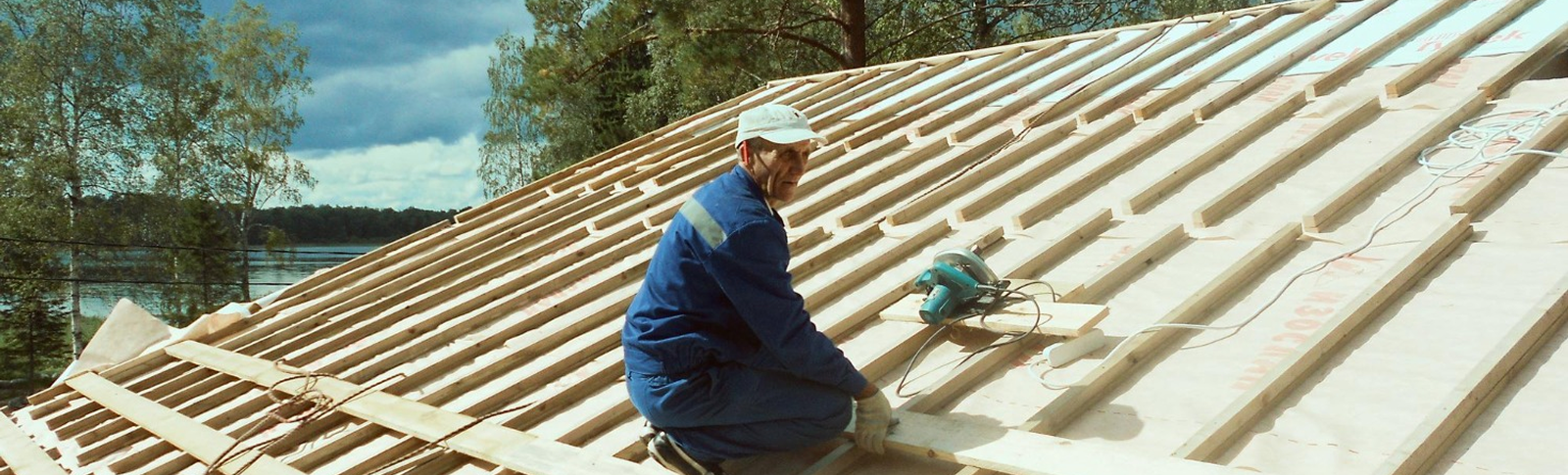
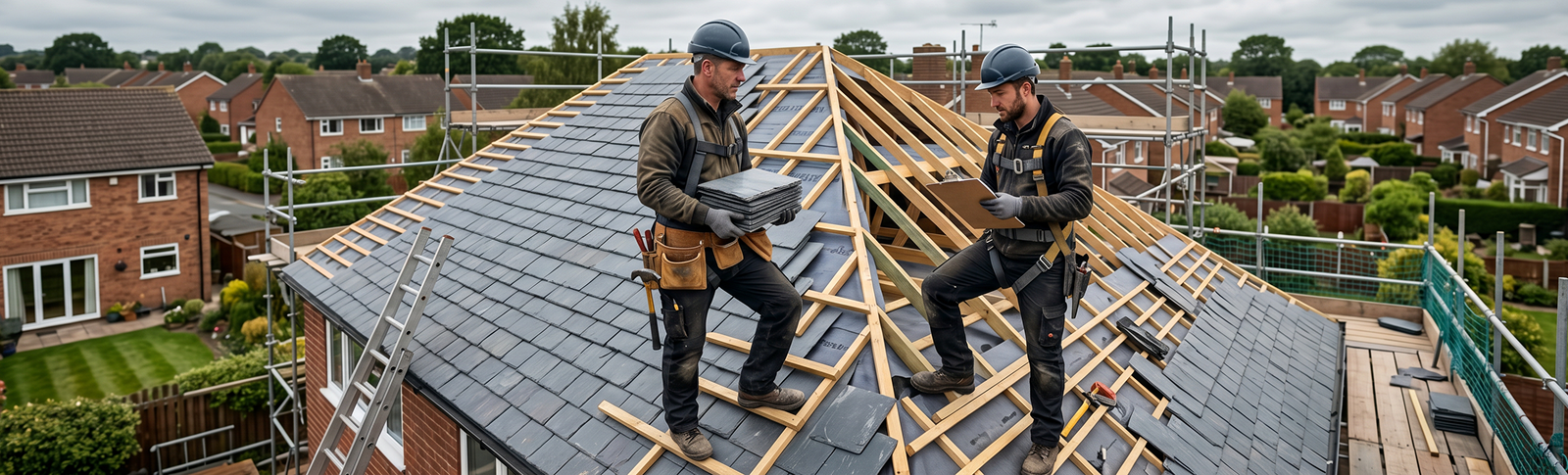
Heat escapes easily from the roofs of older homes in the UK. Most properties were built before modern insulation standards were set. As a result, these roofs may have poor insulation, inadequate ventilation, and damaged tiles. Easy-to-fix professional repairs can improve energy efficiency and add upgrades without requiring a full roof replacement.
Choosing the right roof upgrade matters, as roofing requires skill and careful work at height. Homeowners who plan to hire roofers in the UK can use online marketplace platforms to connect with experts, compare quotes, and review past projects before deciding what their home needs.
How to Tell If Your Roof Is Wasting Energy
A roof can lose heat at unexpected times. However, a few signs around the home can indicate roofing issues. Detecting them early can help you act before you have to spend another winter with high bills.
The following are a few signs that indicate that your roof is losing heat:
- Heating bills increase even if you follow energy-saving habits
- Snow or frost that melts unevenly across the roof
- Draughts or cold spots across upstairs ceilings
- Damp patches or mould across landings and bedrooms
- Missing, cracked or slipped roof tiles
Spotting an issue and getting it fixed right away is cost-effective. This is because guesswork often means paying more without resolving the issue. So, homeowners should find a reliable tradesperson in the UK to get a full roof inspection done before deciding on an upgrade.
Energy-Efficient Roof Upgrades for Older Homes UK
These are the most effective energy-efficient roofing options for older properties, from insulation to ventilation and repairs.
Here's what each upgrade brings to an older home:
| Upgrade |
What It Does |
Best For |
Size of Job |
| Loft insulation |
Stops warm air escaping through the ceiling |
Homes with thin or no loft insulation |
Small, often done in a day |
| Warm roof insulation |
Keeps heat in by insulating above the rafters |
Loft conversions and sloping ceilings |
Large, roof work needed |
| Breathable roofing membranes |
Lets moisture out while blocking draughts |
Roofs with torn or brittle felt |
Large, tiles lifted |
| Roof ventilation improvements |
Cuts condensation and damp in the roof space |
Insulated lofts with damp or mould |
Small to medium |
| Tile and slate repairs |
Closes gaps that let in cold air and water |
Roofs with slipped or cracked tiles |
Small to medium |
| Flat roof upgrades |
Adds insulation to extensions and flat sections |
Extensions, porches and garages |
Medium |
| Solar panel installation |
Generates power to lower electricity bills |
Sound roofs with good sun exposure |
Medium |
Loft Insulation
Heat rises, so a thinly insulated loft is one of the biggest sources of wasted energy in older houses. Adding modern insulation between and over the joists is simple roof insulation for old houses that pays back through lower bills.
Areas to Cover
- Between the ceiling joists
- Over the joists for extra depth
- Around the loft hatch
- Around water tanks and pipes
Pro Advice
A professional roofer can check the current depth, spot damp or old wiring before it gets covered, and recommend a material that suits your loft. Leaving gaps or blocking the eaves is a common mistake that a trained fitter avoids.
Warm Roof Insulation
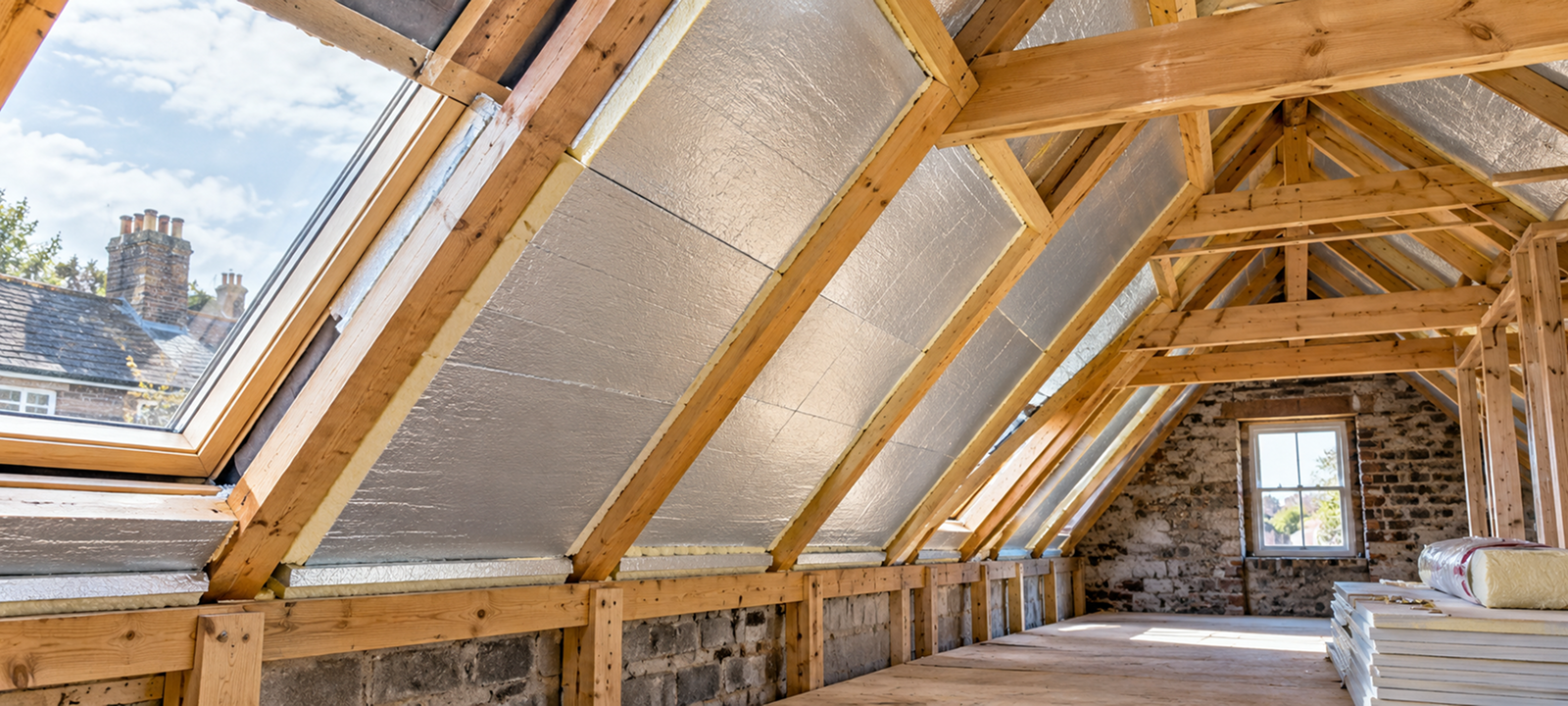
A warm roof places insulation above or between the rafters, so the whole roof space stays inside the heated part of the home. This suits loft conversions and gives older homes a serious insulation boost without eating into headroom.
Where It Works Best
- Loft conversions with living space
- Roofs with sloping ceilings
- Homes with limited loft height
- Extensions with a pitched roof
Pro Advice
Warm roof work often means lifting tiles and changing the roof structure, so it needs a professional roofer who can handle the weatherproofing. A good roofer will also check the roof timbers are sound before insulation goes on.
Breathable Roofing Membranes
Many older roofing systems still have torn, easy-to-break felt beneath the tiles. This lets in draughts and moisture. An upgrade to a breathable membrane can block wind and rain, keeping damp air out. This helps keep the roof dry and the loft warm in winter.
Signs of Failing Underlay
- Broken, damaged, or sagging felt in the loft
- Daylight visibility through the roof
- Stained or damp rafters
- Draughts that blow right into the roof space
Pro Advice
Upgrading the membrane typically involves stripping and relaying tiles. This isn't a job you can complete in a day. A professional roofer will work section by section to keep your home weatherproof throughout. Since this is a major job, it helps to look at roof replacement costs in the UK first. This is because prices vary a lot based on the roof size, tile type and accessibility.
Roof Ventilation Improvements
Insulating a roof without good airflow can trap moisture and cause condensation, rot, and mould over time. Extra vents at the eaves and ridge keep air moving so the roof space stays dry and the insulation keeps working properly.
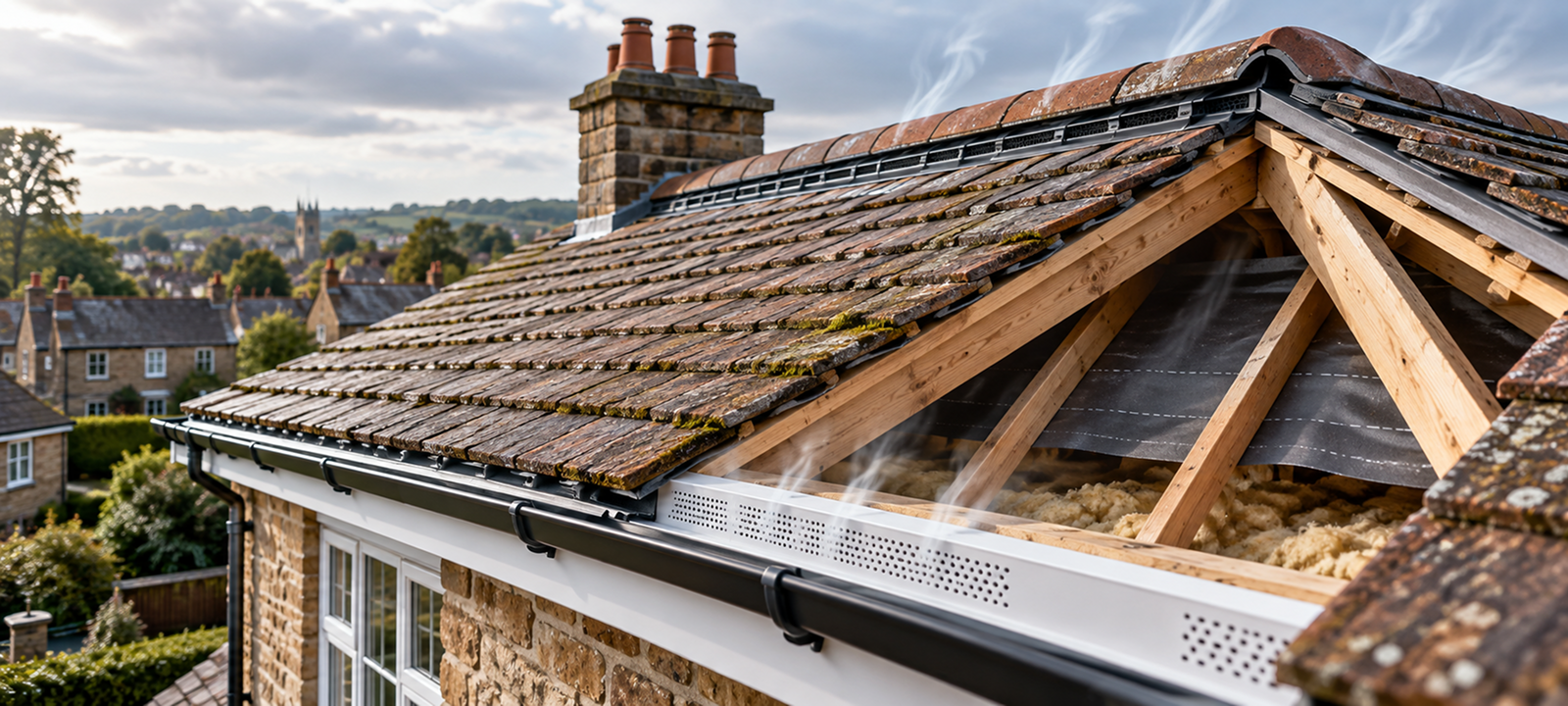
Common Ventilation Options
- Eaves or soffit vents
- Ridge vents along the top
- Tile vents in the roof slope
- Extractor ducting taken outside
Pro Advice
Getting the balance right between insulation and airflow is where many DIY jobs go wrong. A professional roofer can check for blocked vents and add the right type for your roof design. Blocked eaves, damaged fascias, and worn ridge vents are common roofline problems that quietly reduce airflow, so that a roofer will check them during any ventilation work.
Roof Window and Rooflight Upgrades
Cracked, slipped, or missing tiles let cold air and rain into the roof space, undoing the work of any insulation underneath. Repairing or replacing damaged sections is one of the easiest ways to improve home energy efficiency in an older property.
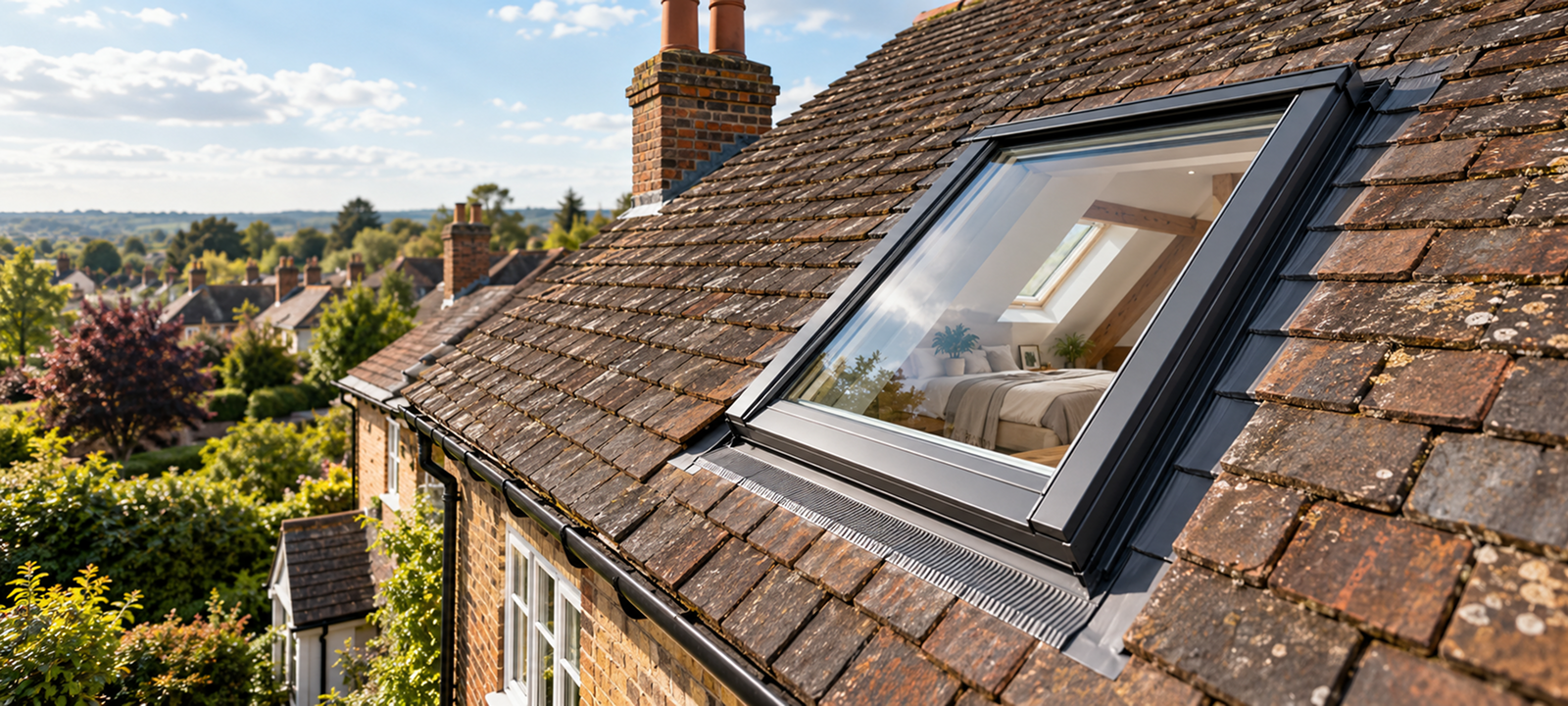
Damage to Look For
- Slipped or missing tiles after storms
- Cracked or crumbling slates
- Moss and lichen build-up
- Worn or broken ridge tiles
Pro Advice
Working on a pitched roof is risky without the right equipment, so leave repairs to a professional roofer. Once damage has spread across a large area, a roofer can also tell you whether roof repair or replacement makes more sense for your home.
Flat Roof Upgrades
Many older homes have flat roofs on extensions, porches, or garages that were built with little or no insulation. Replacing worn coverings with an insulated system reduces heat loss and cuts the risk of leaks that damage rooms below.
Flat Roof Options
- Single-ply membrane systems
- Insulated warm deck construction
- Liquid-applied coatings
- Green roofs for extra insulation
Pro Advice
Flat roofs depend on a watertight finish, and small joint mistakes can cause leaks within a season. Homeowners across the UK often look for roofers close to home, and Birmingham is a good example. The region has many older terraces and semis that have flat-roofed rear extensions. Homeowners looking for a roofer in Birmingham can compare local specialists and ask which system suits their extension.
Solar Panel Installation
Solar panels turn the roof into a small power station, helping busy households cut electricity bills. Older roofs need to be sound first, so panels aren't fitted on tiles that will need replacing soon.
Checks Before Fitting
- Roof condition and age of the tiles
- Which way the roof faces
- Shade from trees or nearby buildings
- Strength of the roof structure
Pro Advice
A professional roofer can confirm the roof will last as long as the panels before installation starts. Panels also need an electrician for the wiring, so that a good roofer will coordinate the work with them.
Making Your Roof Work Harder for Your Home
A roof is easy to ignore until something goes wrong, yet it quietly shapes how warm and comfortable a home feels through every season. More UK homeowners are considering roof upgrades as energy prices remain high. Choosing the right professionals matters as much as choosing the right materials. BuilderWing is an online marketplace that helps homeowners find local tradespeople across the UK and compare them before deciding.
Post a project today and give your home the roof it deserves.
Frequently Asked Questions
How long does a typical roof upgrade take?
Small repairs and insulation top-ups often take a day or two, while a full re-roof can take one to two weeks.
Do I need planning permission for roof upgrades?
Most insulation and repair work doesn't, but listed buildings, conservation areas and changes to the roof's shape usually need permission first.
Which other trades might be involved alongside a roofer?
Electricians, plumbers, carpenters, plasterers, painters and decorators are often involved. It depends on whether wiring, pipes, timber, or interior finishes need work.