Roof replacement is a significant decision homeowners choose to make to safeguard their home. A well-maintained and strong roof plays a critical role in safeguarding the structural integrity of your home in the UK. The unpredictable weather conditions of the area, besides ageing materials, leaks, storm-induced damage, or structural wear, gradually affect the roofing materials, leading to the requirement for a full roof replacement. Although roofing work is a significant investment, homeowners should have a clear idea of the factors that impact pricing, material costs, and additional expenses that may surface during the process.
The role of a trusted roofing contractor is also evident in the success of replacement projects. Most homeowners are using marketplace platforms to compare quotes, find reliable roofers in the UK, and hire the experts who suit their preferences. This streamlines the entire roof replacement process and helps homeowners make smart decisions before starting a roofing job.
Average Roof Replacement Costs in the UK
When speaking of average roof replacement costs in the UK, it relies on numerous factors. The type of property, roofing material, and the condition of the existing structure influence the final costs. Average homeowners in the UK generally spend between £5,000 and £15,000 for a full replacement work.
Let’s take a quick glance at the cost breakdown:
| Type of Property | Average Roof Replacement Costs |
| Small Terraced House | £3,000 – £5,500 |
| Semi-Detached House | £5,500 – £10,000 |
| Detached House | £8,000 – £15,000+ |
| Bungalow | £5,000 – £9,000 |
| Large Detached Property | £12,000 – £25,000+ |
* These costs are average UK estimates that might vary based on location, contractor, and roof condition.
Another critical thing to note here is that prices may vary by location, which impacts the final estimates. Homeowners in bigger cities or high-demand areas may find a slight increase in labour costs due to higher operating expenses and contractor demand.
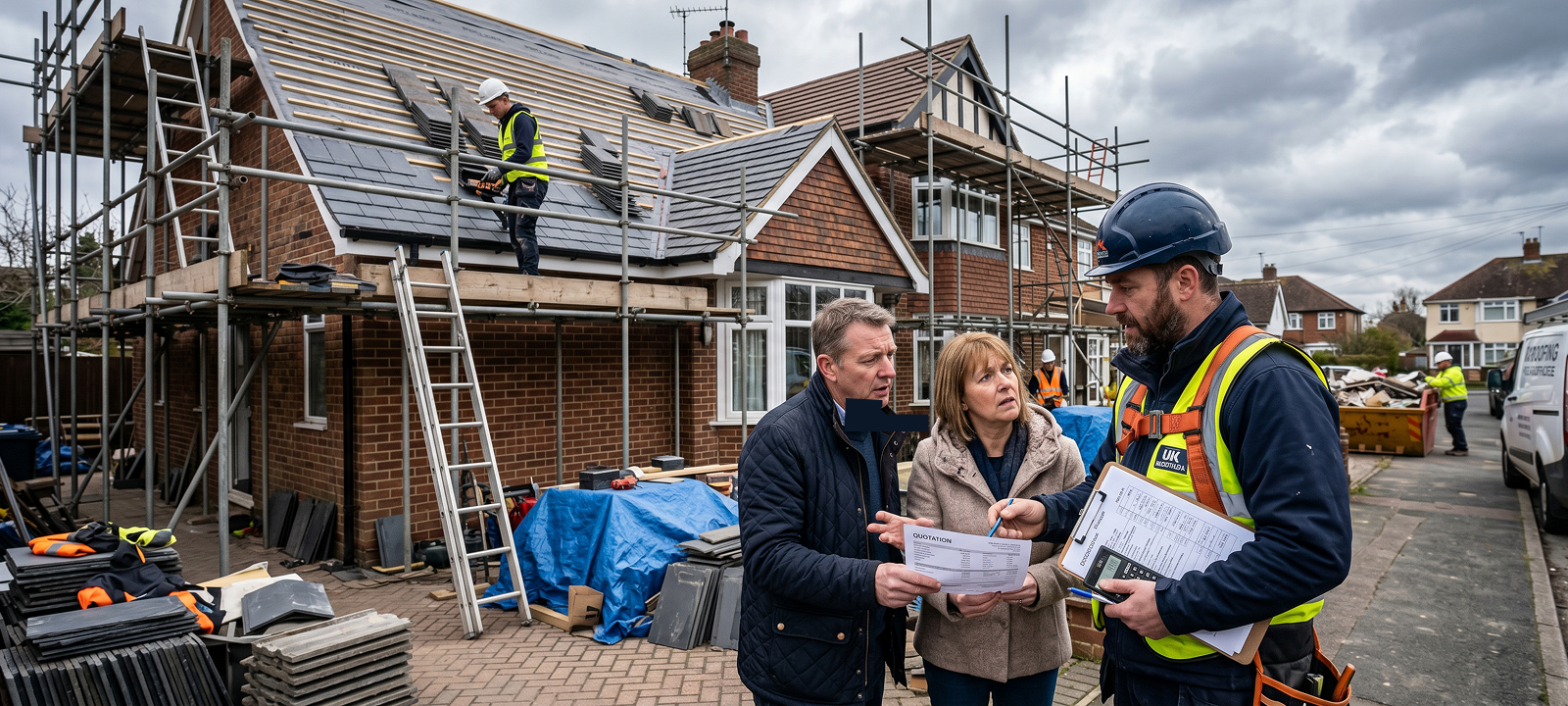
What Affects Roof Replacement Costs?
There are numerous factors at play that impact the final cost that homeowners pay for a new roof in the UK.
Roof Size and Design
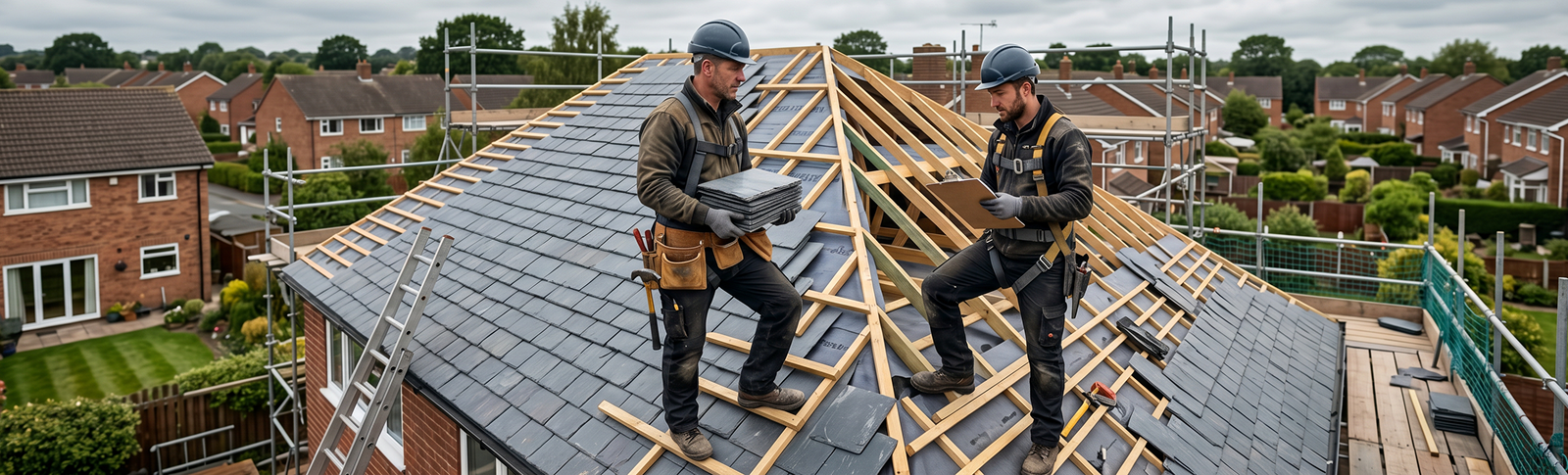
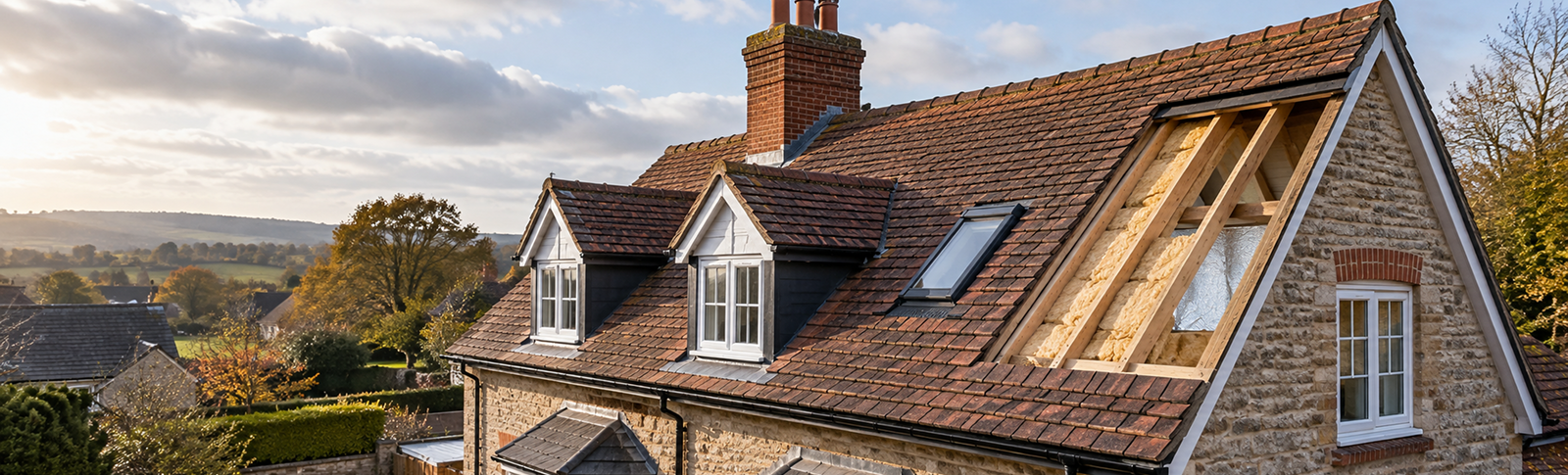
The roof’s size and the structure have a direct impact on the final costs. Larger roofs demand more materials and labour time. Complex structures with skylights, dormers, or steep pitches will increase installation challenges and the project timeline.
Properties facing complex access might also need additional scaffolding and the use of safety equipment that has a direct impact on the labour costs.
Choice of Roofing Material
The selection of roofing material also has a direct influence on the upfront costs and long-term stability.
Here’s a rough breakdown:
| Roofing Material | Average Cost Per m² | Expected Lifespan |
| Concrete tiles | £25 – £45 | 30 to 40 years |
| Clay tiles | £50 – £80 | 50 to 70 years |
| Natural slate | £90 – £150+ | 60 to 100 years |
| Flat roof systems | £45 – £120 | 15 to 40 years |
*Prices are subject to change based on the supplier rates and material quality.
The commonly used affordable roofing materials across the UK are concrete tiles. On the other hand, slate offers outstanding longevity, which includes higher installation costs.
Labour Costs Across the UK
One of the major determinants of roofing costs is the labour. Prices differ based on the experience, location, and complexity of the work involved.
The cost of roofing services in London and the South East is considerably higher compared to the other regions in the UK. Skilled tradesmen charge a premium daily or hourly rates due to higher operating costs or demand.
Here’s a general breakdown of labour costs involved:
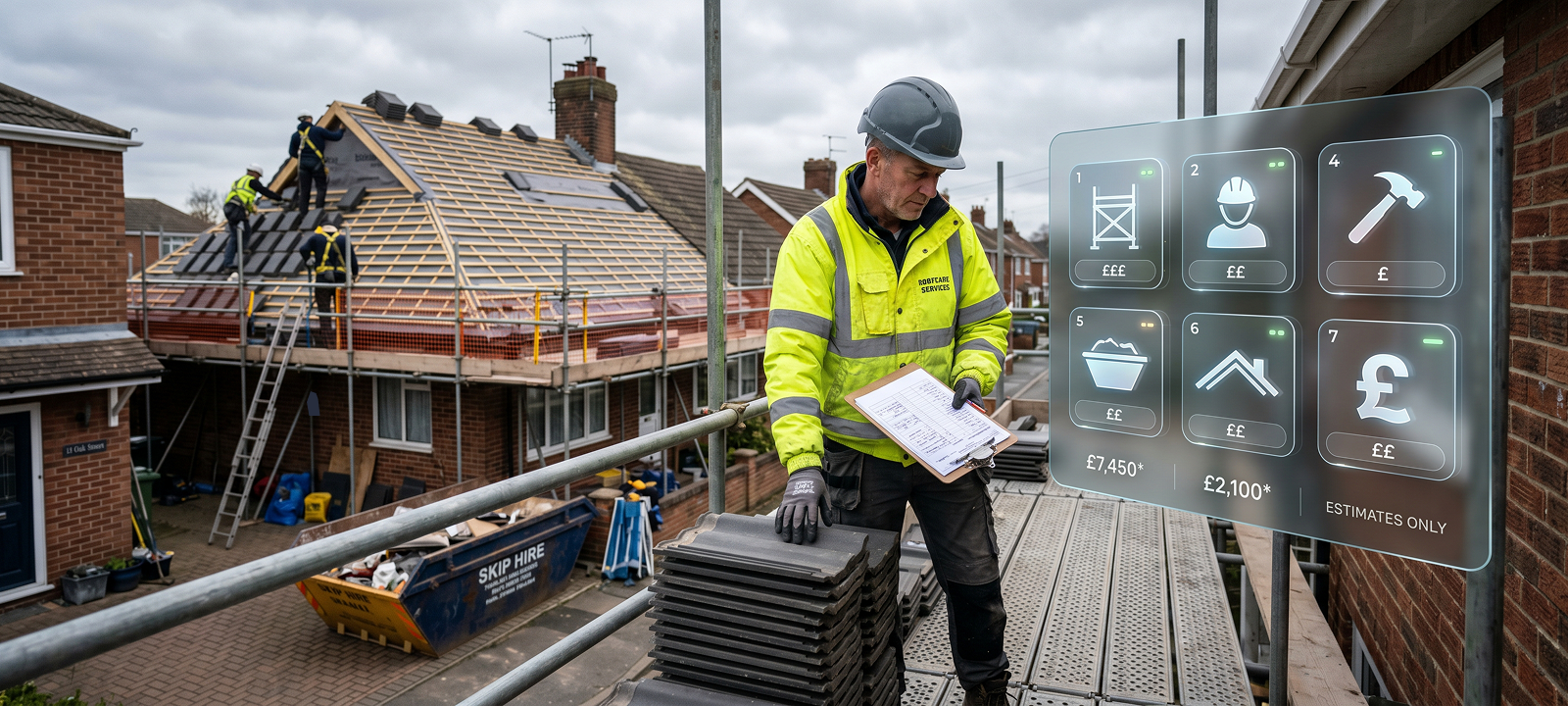
- Roofer day rates: £200 – £350+
- Scaffolding costs: £500 – £2,500
- Skip hire and waste removal: £200 – £800
The final costs rely on the project duration and whether structural repairs were needed after the removal of the old roof.
Scaffolding and Access
In numerous roof replacement works, scaffolding is involved, and it ranges anywhere from £500 to £2,500 based on the property’s accessibility and height.
For instance, terraced properties may need neighbour agreements if the scaffolding crosses boundaries. Also, properties with narrow streets, access difficulties, conservatories, or multiple storeys will need additional safety equipment and specialist scaffolding systems. This has a direct impact on the costs.
Larger roofing work might also include repairs, renovation, or a complete overhaul, highlighting the importance for homeowners to find trusted tradespeople for home renovation projects who can coordinate varied aspects of the work involved. Also across urban regions, permits are also required if scaffolding extends into roads or public pavements.
Flat Roof vs Pitched Roof Replacement Costs
For properties with flat roofs, replacement costs are generally cheaper as they need fewer materials and are easier to access. But their lifespan is considerably shorter based on the type of material used.
Here’s a rough cost breakdown of flat roofing prices:
| Flat Roof Material | Average Prices Per Square Metre |
| Felt roofing | £40 – £70 |
| EPDM rubber roofing | £80 – £120 |
| GRP fibreglass roofing | £90 to £130 |
Furthermore, pitched roofs typically cost the most due to their structural challenges and additional installation time.
Hidden Roof Replacement Costs Homeowners Often Forget
Most property owners focus only on tile replacement, neglecting additional repair costs that might arise in the middle of the project.
So, the common hidden costs include:
- Replacement of rotten timber
- Repairing damaged roof decking
- Insulation upgrades
- Gutter replacement
- Chimney flashing repairs
- Ventilation improvements
Older or vintage properties are more likely to be in need of structural repairs after the removal of the existing roof. Roofers might suggest setting aside additional contingency costs of 10–20% for unforeseen issues.
 Signs You May Need a Roof Replacement
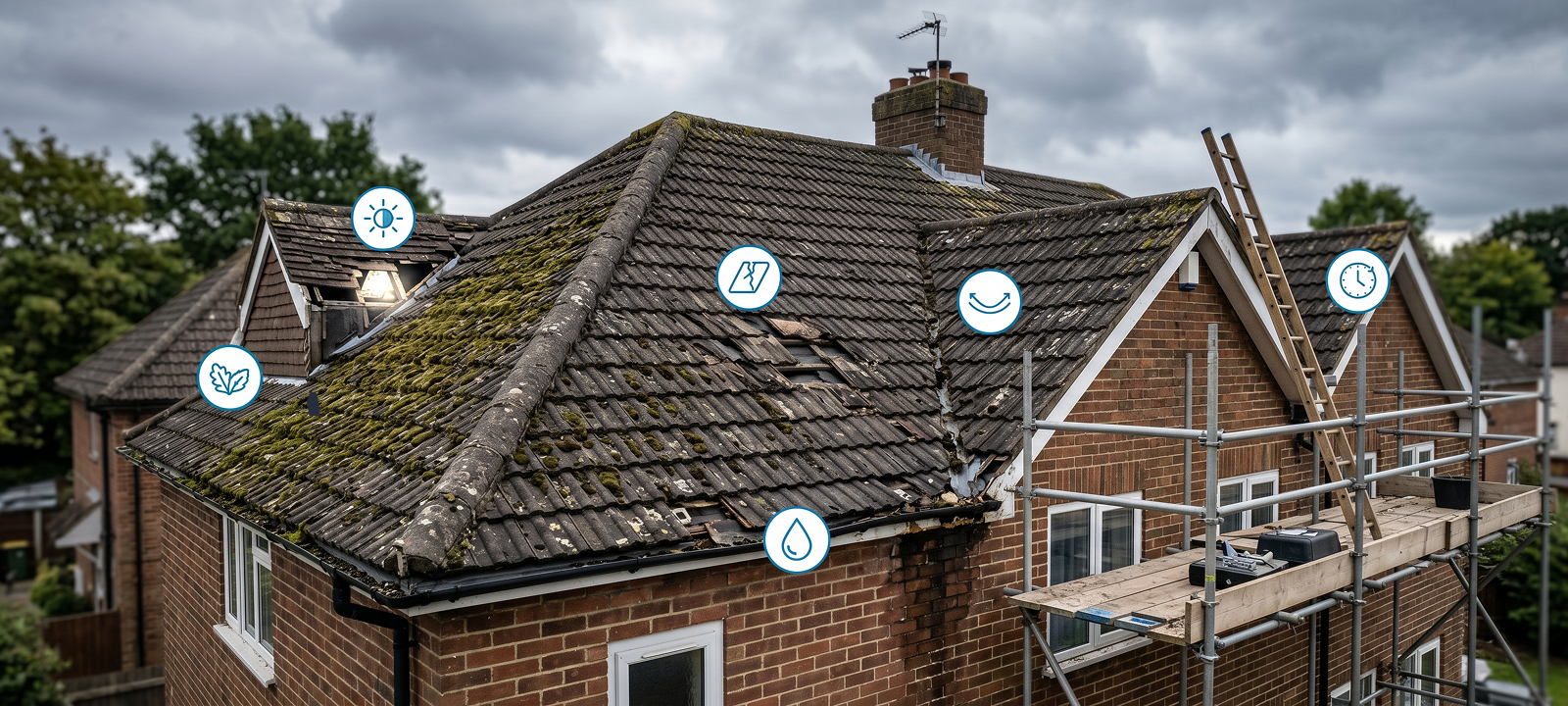
A full roof replacement is not the only solution for all roofing issues. Here are some common signs to look out for:
- Persistent leaks
- Missing or cracked tiles
- Sagging roof sections
- Moss buildup and trapped moisture
- Daylight is visible in the loft
- Roof age exceeding 20–50 years, depending on the material
So, if you notice several of these issues, then it might be the right time to hire professional roofers and avoid a DIY fix. Experienced professionals have the expertise to recognise whether simple repairs are sufficient or if a complete roof replacement is the cost-effective choice as a long-term solution.
Simplify Your Search for Local Roofing Professionals
Locating reliable roofers can help homeowners save their time, money, and unwanted stress during a roof replacement project. Professional roofers can ensure adequate installation, follow safe work practices, and offer long-term safety to your property.
Online marketplace platforms such as BuilderWing can help homeowners connect with seasoned local tradespeople for roofing and other home improvement projects. Besides roofers, you can also connect with trusted plumbers, electricians, handymen, builders, and more through this unified platform.
The process is simple and streamlined for homeowners to connect with multiple trades in the UK. This is how:
- Share project details and receive competitive quotes.
- Compare local professionals based on availability and services.
- Choose contractors that match project budgets and timelines.
- Simplify the process of hiring reliable tradespeople.
So, avoid delays, compare reliable roofers, and get started with your roof replacement project confidently. Post your project today to find reliable professionals who are ready to handle your roof replacement requirements!
Conclusion
Roof replacement is a significant home investment. Proper planning can make a big difference in cost and outcome. Selecting a seasoned professional, understanding pricing factors, and comparing prices may help ensure a project is successfully executed to the end.
The time spent on choosing qualified contractors and a thorough examination of the possible options minimises the chances of delays or unforeseen costs. By doing it right, homeowners have the potential to find long-term roofing solutions that will safeguard their home in the future.
Frequently Asked Questions
How often should a roof be replaced in the UK?
Roofs are expected to last 20-50 years, depending on the materials used, the quality of installation, and the number of times they are maintained.
What is the cheapest roofing material available?
Concrete tiles tend to be the cheapest, which provide stability and a reasonable service to the homeowner with a tight budget.
Can roof replacement be done during winter in the UK?
Yes, but weather delays are common. Contractors commonly plan the work around safe conditions.