Quick Answer
Damp proofing safeguards a cellar or basement from moisture through methods such as tanking, better airflow, or drainage. Choosing basement damp proofing for UK homes can keep the space safe, dry and usable year-round.
A damp basement or cellar is a common issue in most UK homes, and it needs a professional fix. Poor drainage, groundwater, and ageing walls play a critical part. The right solution depends on addressing the root cause. Getting this process wrong is costly, as the wrong method often hides dampness instead of resolving it.
Spotting the root cause is only the first step. Homeowners implement the right method and solution properly. This is why most homeowners choose to hire damp proofing experts in the UK instead of trying a quick DIY fix. Only an experienced professional can detect issues often hidden behind the walls.
Signs Your Cellar or Basement Has a Damp Problem
Damp in the basement looks different in every property. A few signs can help you detect the issue.
So, here’s what to check for below ground level:
- A strong musty smell that lingers after airing the room
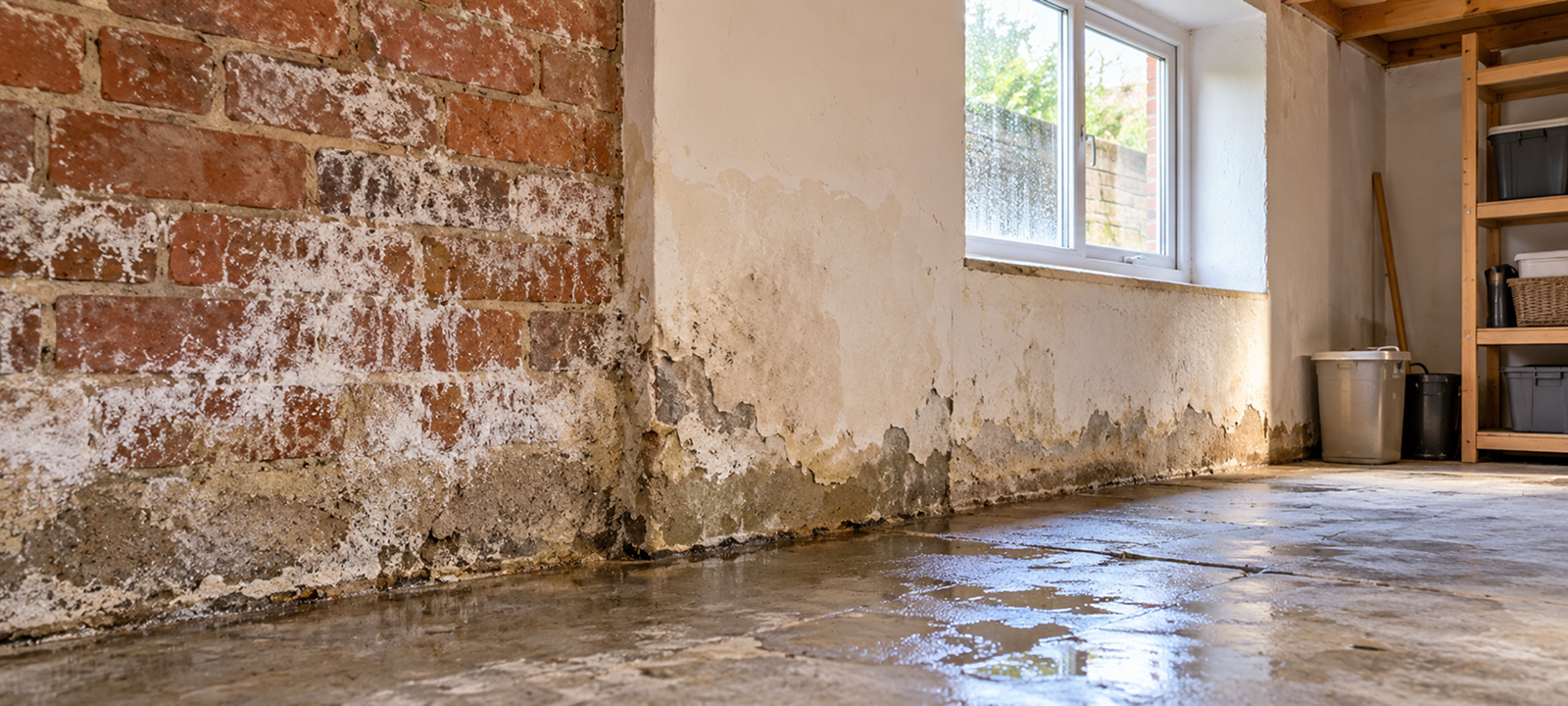
- Tide marks or staining low down on the walls
- White, powdery deposits on render or brickwork
- Crumbling plaster or peeling paint near the floor
- Damp patches or standing water after a heavy downpour
Matching the common signs to the root cause can avoid frequent issues that might appear later. That is why a professional should carry out a proper damp inspection and offer a permanent solution. So, hiring a professional is important, and homeowners can find reliable tradespeople in the UK through online marketplace platforms. This helps them get a proper inspection before deciding on a permanent solution.
Practical Damp Proofing Solutions for Cellars and Basements
So, let’s discuss the main methods that professionals use to damp-proof a cellar or basement.
Cementitious Tanking
Tanking coats the inside walls and floor of a basement with a waterproof layer. It’s one of the most common methods used for damp-proofing a basement.
How It Works
- A cement-based slurry is applied onto the walls and floor
- A steady barrier against water pressure
- Ideal for cellars with steadier groundwater pressure
- Requires a sound, stable wall to bond to
The Solution
Tanking only works if it's applied correctly. Any weak spot can become an entry point for water. This highlights the importance of damp-proofing your home. So, a damp-proofing specialist will check whether your walls are suitable for this method.
Cavity Drain Membrane Systems
A cavity drain membrane doesn’t block water outright. It directs it elsewhere. A plastic sheet is fixed to the wall, leaving a small gap behind it. This method is one of the most flexible basement waterproofing methods.
How It Works
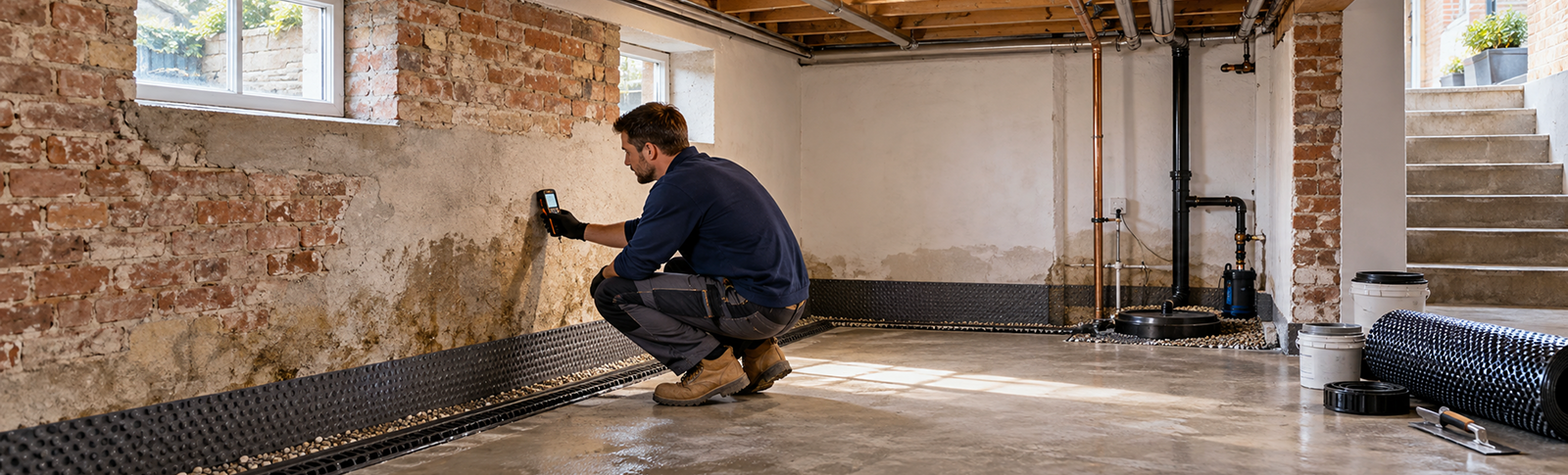
- Studded plastic sheets fixed to the floor and walls
- A gap that will channel water down
- Connecting to a drainage or sump outlet
- Ideal for basements with ongoing water ingress
The Solution
Planning is required to get the membrane and drainage route right when a basement has multiple water sources. A professional can design an effective system that matches the property. This helps to prevent damp during autumn and winter when the chances are high. It can also help you spot early warning signs before the wetter months begin.
External Waterproofing
External waterproofing is another method that a damp proofing specialist uses to handle issues from outside. They would coat the basement walls before the soil goes back around them. It’s one of the most thorough basement damp treatment methods that the experts use.
How It Works
- Application only to the outside of the foundation wall
- Often paired with a drainage layer
- Mainly done during excavation or construction
- Preventing water from reaching the wall entirely
The Solution
External waterproofing is disruptive in nature. It’s only practical during a home extension or renovation as the method involves digging around the foundations. A professional damp-proofing expert can recommend whether it’s worth implementing alongside the other planned job.
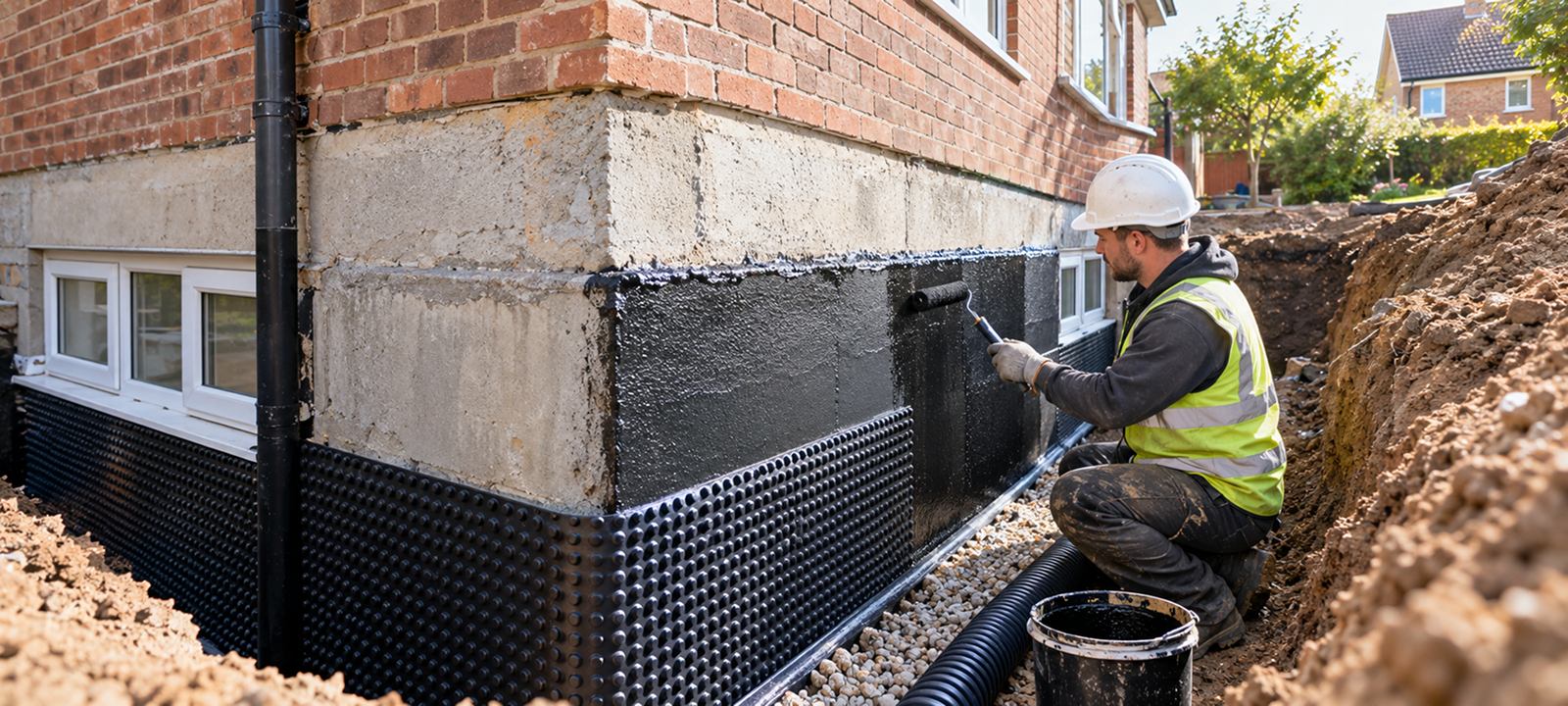
French Drains
Another way to damp-proof a home is to use French drains. These drains are a trench filled with a pipe and gravel laid right outside the property. They channel groundwater and rainwater away from your home's walls.
How It Works
- A trench that gets dug around the home
- A perforated pipe that’s laid in gravel
- Water gets directed away to a soakaway
- Idea for homes with a lack of proper natural drainage
The Solution
A French drain only works when it’s laid with the right fall to direct water away, rather than letting it pool near the foundations. For instance, homeowners in Bristol often seek local experts who know their region’s soil and hillside streets. So, homeowners looking for damp proofing experts in Bristol can compare local experts who have the experience to manage these conditions.
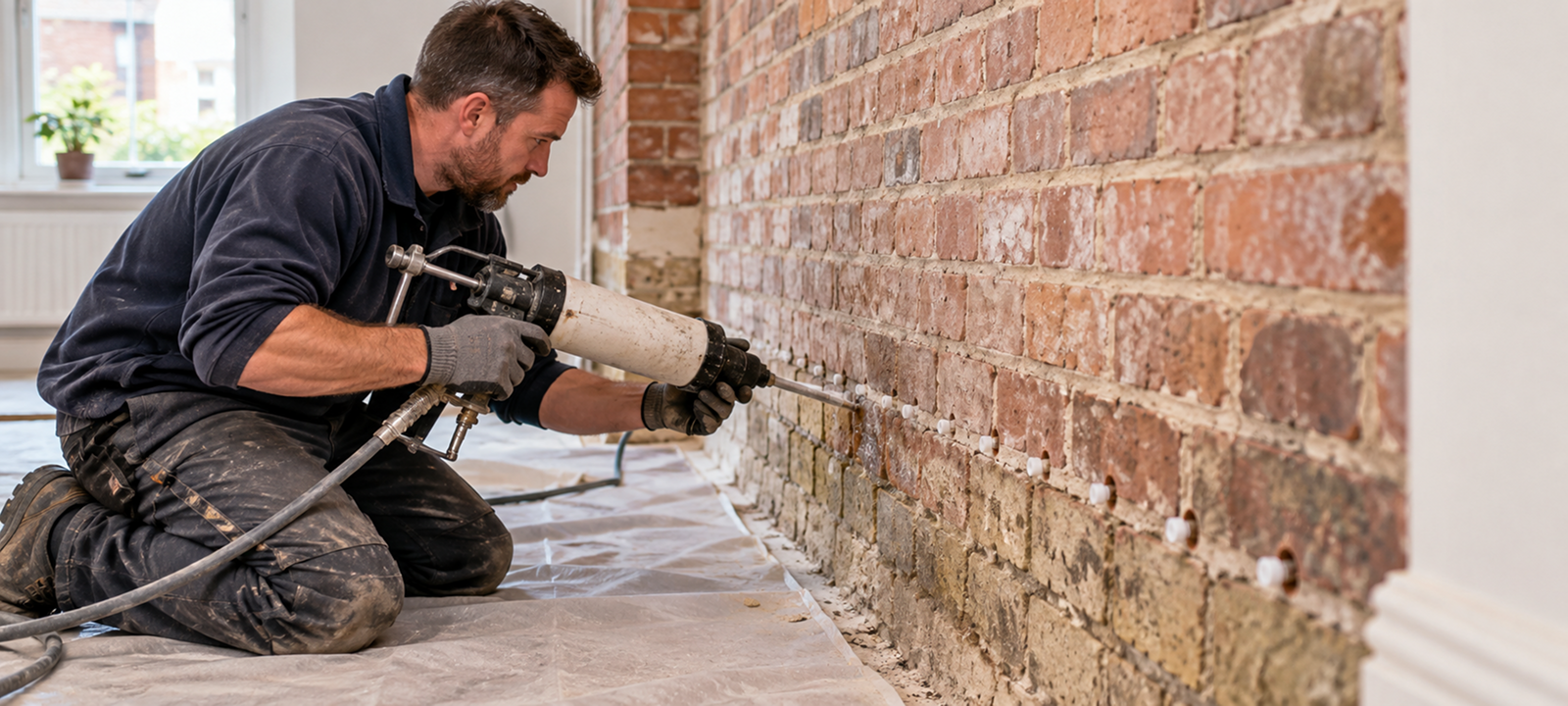
Damp Proof Course Injection
Almost every home should have a damp-proof course. This works as a barrier low down in the walls that prevents moisture from rising from the ground. If this barrier breaks, you can inject a new one using a chemical cream.
How It Works
- Smaller holes get drilled alongside the wall’s base
- A damp-proof cream gets injected
- A new water-resistant barrier is created within the wall
- Replastering above the injection line
The Solution
Injection can only help with issues such as rising dampness. Therefore, it won't resolve leaks or condensation. A professional damp proofing specialist can confirm the real cause.
Ventilation and Dehumidification
Not all basement damp comes from water getting in from outside. Everyday condensation can build up in a poorly aired room, and better ventilation or a dehumidifier can dry the air out without any building work at all.
How It Works
- Extractor fans or additional vents
- Positive input ventilation systems
- Dehumidifiers sized to the room
- Better-sealed doors and windows
The Solution
Ventilation only solves damp caused by condensation, so it's worth ruling out water ingress first. A professional damp proofing expert can confirm whether airflow alone will fix the problem or whether it needs to be paired with another method.
Choosing the Right Damp Proofing Method for Your Home
Every home deserves a basement or cellar you can actually use, not a space you'd rather avoid. Getting professional advice early takes the guesswork out of the decision. BuilderWing is an online marketplace that helps homeowners find local tradespeople across the UK and compare them before choosing who to hire.
Post a project today and get your basement dry and ready to use.
Frequently Asked Questions
How long does basement damp proofing usually take?
Smaller jobs like an injection damp proof course can often be finished in a day. Bigger jobs like tanking usually take several days, depending on the basement size.
Can I damp proof a basement myself?
DIY kits are available, but basement damp proofing is easy to get wrong. Improper application can trap moisture behind the surface, making the problem worse instead of solving it.
What other tradespeople might I need for basement renovation work?
Electricians, plumbers, plasterers, builders, and tilers are often brought in too, especially if the basement is being turned into a usable living space rather than just storage.