Quick Answer
Homeowners looking to prevent dampness should start with proper ventilation,
consistent heating, and early detection of warning signs before they spread. For severe cases, hire a damp
proofing expert in the UK to address the root cause before things get worse in winter.
One common problem homeowners in the UK face once autumn arrives is damp. As temperatures drop through winter, the
situation can worsen. Cold walls, musty smells, and steamed-up windows are often the initial signs of moisture
building up somewhere it shouldn’t.
Detecting the signs can make a huge difference. However, figuring out the real cause isn’t simple, especially when
dampness keeps returning despite your best efforts. That’s the reason why homeowners often choose to hire a damp
proofing expert in the UK. These seasoned professionals can identify the real source and fix it promptly, rather
than treating only the symptoms.
Why Damp Becomes Such a Common Problem in Colder Months
Cold weather changes how moisture behaves inside a home. Most damp-related issues that show up in winter start with
simple habits that appear harmless during these warmer months.
A couple of seasonal factors describe the reason why damp has become so common:
- Colder walls trap more condensation
- Windows stay shut for longer stretches
- Heating creates warm, moisture-holding air
- Reduced daylight slows natural drying
Once you have an idea of where damp is more likely to form, it becomes easier to detect the issues early. However,
the best approach is to use professional expertise and find a reliable tradesperson in the UK to carry out a proper
inspection. This helps to prevent small issues from turning into bigger, expensive repairs.
Practical Ways to Prevent Damp Through Autumn and Winter
To help you get a better idea, here are a few common, most effective ways to keep damp under control during the
colder months.
Improve Everyday Ventilation
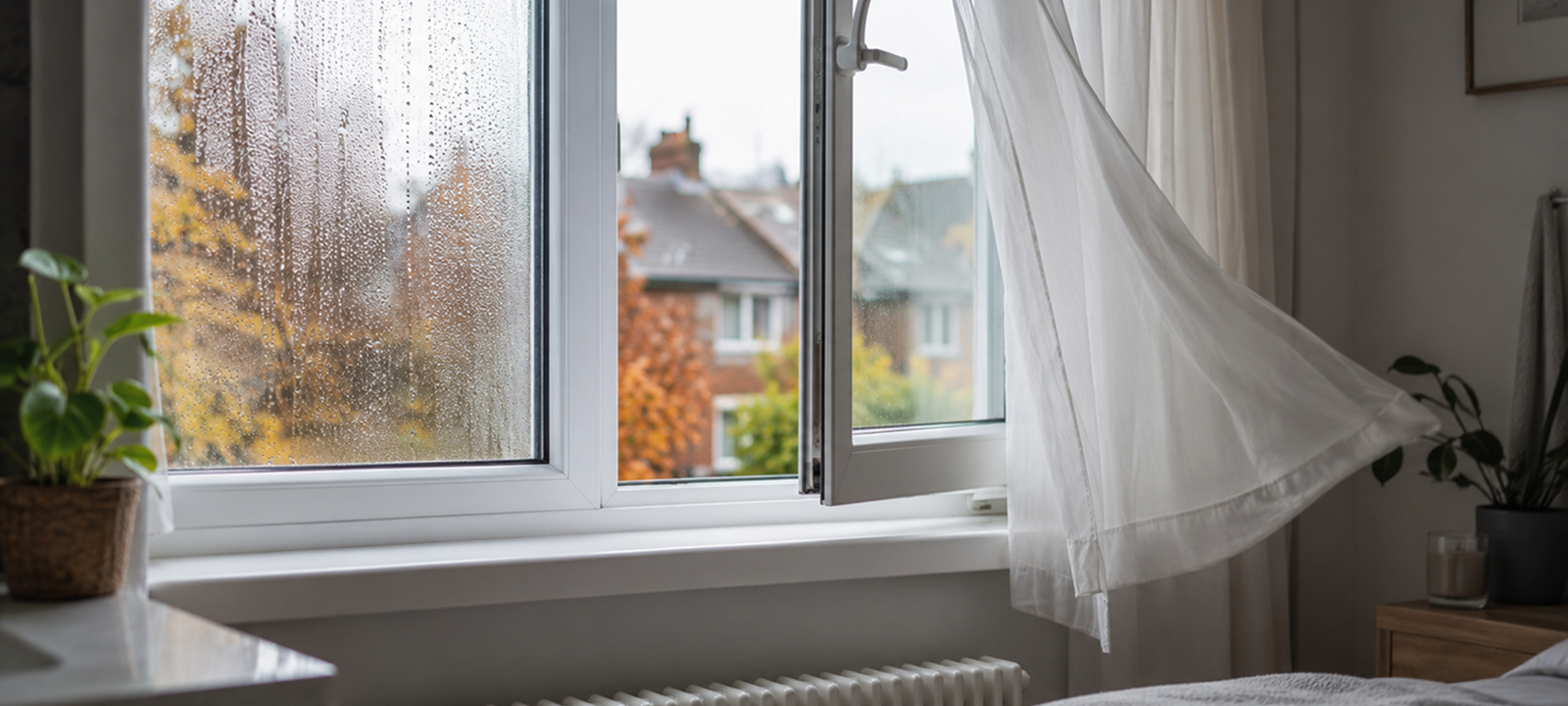
Adequate airflow is one of the simplest ways to prevent moisture building up indoors. Opening windows for a short
while each day, even during cold weather, releases trapped humidity before it settles into furniture and walls.
Simple Ventilation Habits
- Open windows for ten minutes daily
- Use trickle vents whenever possible
- Keep internal doors slightly open
- Air out rooms after sleeping
Pro Tip
Ventilating your room consistently, instead of only when condensation appears, can prevent moisture build-up.
Dry Laundry the Right Way
A common mistake that homeowners often make is drying wet clothes indoors. This releases a significant amount of
moisture into the air, especially in winter when outdoor drying often isn't possible. That extra humidity shifts
elsewhere, so it ends up on cold windows and walls.
Better Drying Habits
- Dry clothes outdoors when possible
- Use a vented tumble dryer instead
- Keep drying rooms well ventilated
- Avoid drying clothes on radiators
Pro Tip
If drying clothes indoors is the only solution, open a window in that room. This helps moisture to escape instead of
settling someplace. These small habits, along with identifying areas of the home that need professional deep
cleaning, can help address moisture issues before they take hold.
Maintain Guttering and Roofline
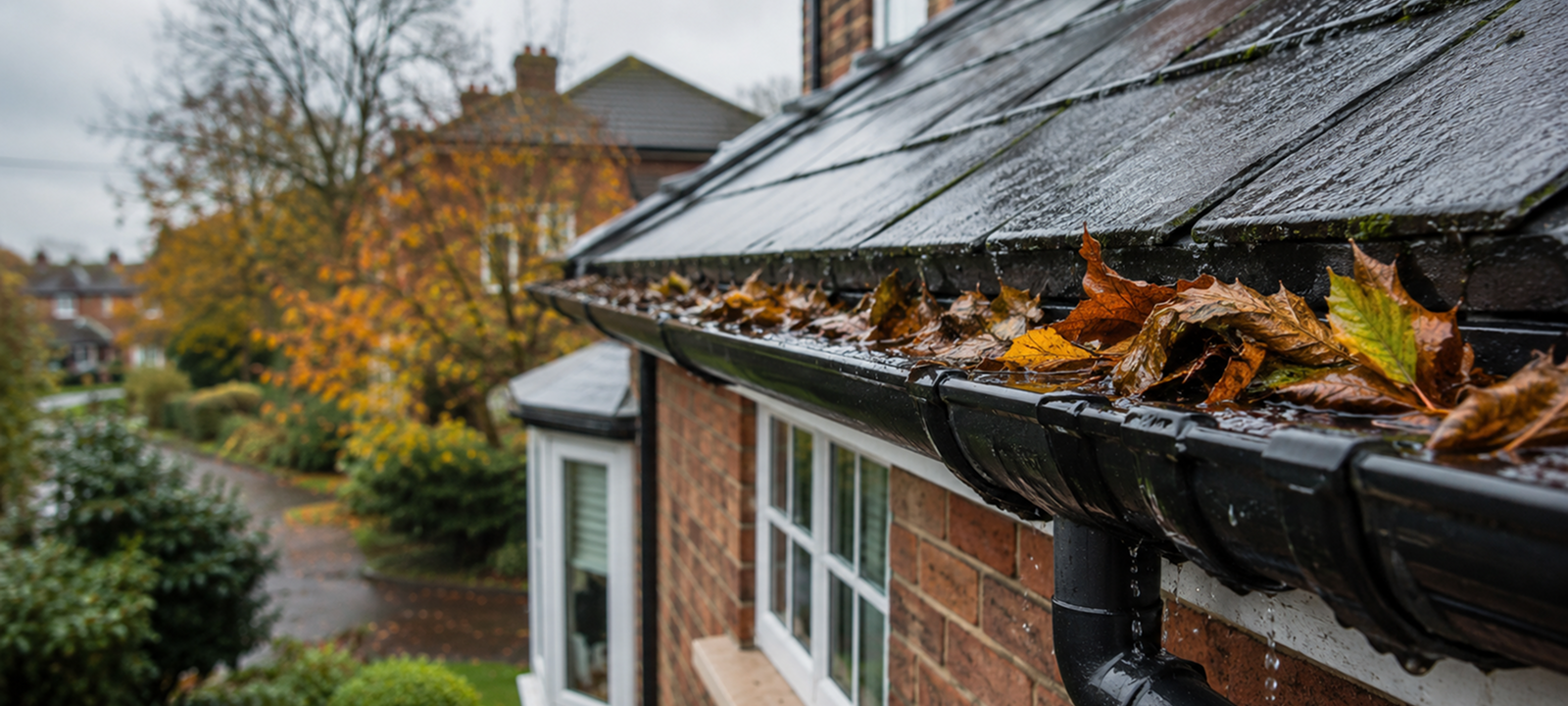
Damaged or blocked guttering is one of the most overlooked causes behind dampness. The issues develop outside before
they start to show up indoors. Undrained water can track down the external walls of your property, causing dampness
indoors.
What to Check Regularly
- Clear leaves and debris from gutters
- Check downpipes for leaks or blockages
- Look for cracked or sagging guttering
- Inspect the roofline after storms
Pro Tip
An annual gutter clear-up with the help of gutter experts before autumn can help prevent water-related damp issues.
Hiring gutter experts can help detect common roofline problems that might cause indoor dampness.
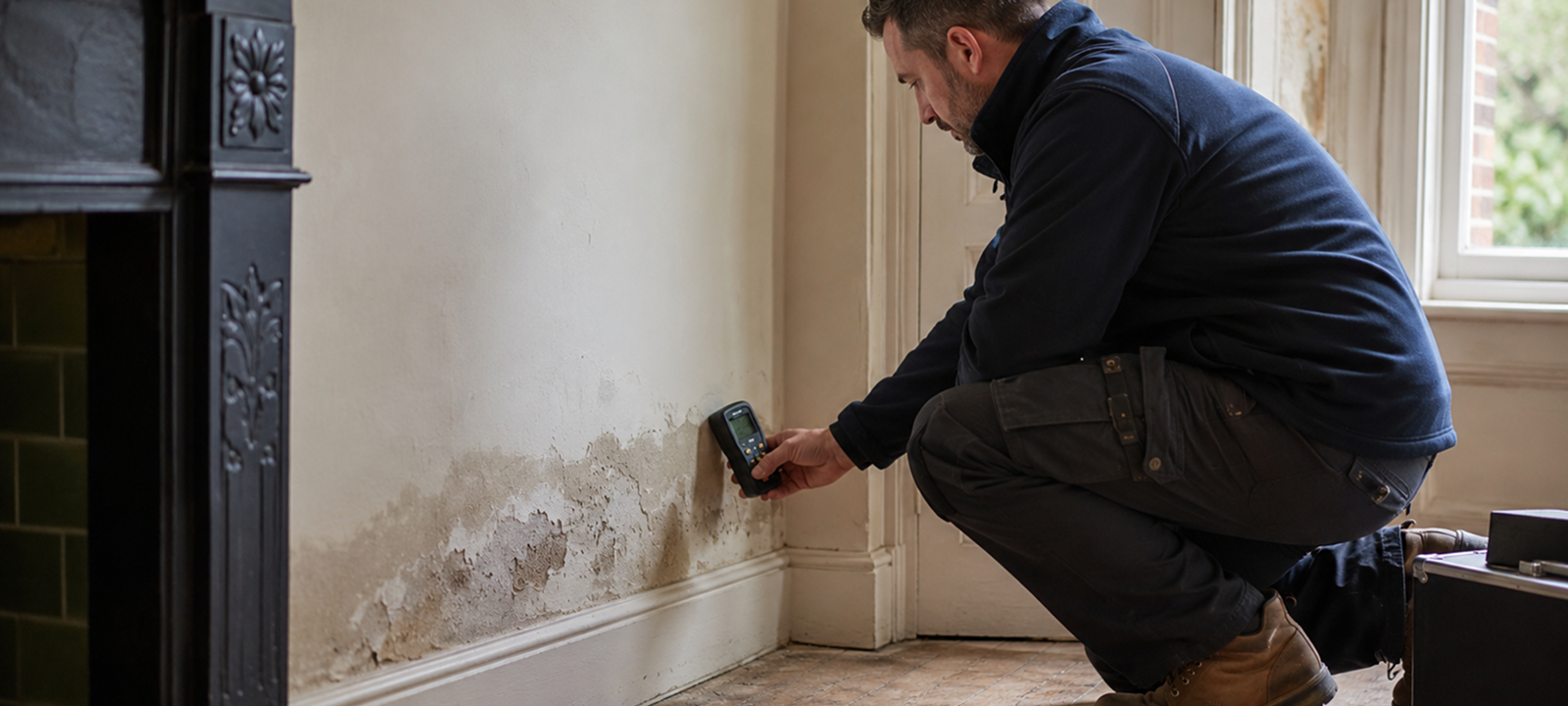
Check for Rising Damp
Rising damp happens when ground moisture is drawn up through walls, usually due to a failed or missing damp-proof
course. It's more common in older properties and often shows up as damp patches near skirting boards.
Signs of Rising Damp
- Damp patches near skirting boards
- Peeling paint or wallpaper low down
- A tide-mark stain along the wall
- A musty smell at floor level
Pro Tip
Rising damp needs a different fix than condensation, so a professional inspection is worth arranging if these signs
appear. Understanding the importance of damp proofing in your home becomes especially clear once rising damp sets
in, since delaying treatment usually makes the eventual repair more extensive.
Improve Home Insulation
Poorly insulated homes lose heat quickly, creating cold surfaces where condensation forms easily. Better insulation
keeps walls and windows warmer, reducing the temperature difference that causes moisture to settle.
Areas Worth Insulating
- Loft and roof space insulation
- Cavity wall insulation where possible
- Draught-proofing around doors and windows
- Upgrading single-glazed windows
Pro Tip
Older properties often benefit most from insulation upgrades. The original materials rarely retain heat as well as
modern alternatives, and needs vary by region across the UK. For example, homeowners looking to find a damp proofing
expert in Bristol often deal with older stone-built homes needing a different approach than newer housing.
Use Extractor Fans Properly
Bathrooms and kitchens produce far more moisture than any other room in the house. Extractor fans are designed to
remove this moisture quickly, but only work properly when used consistently and left running long enough.
Getting the Most From Extractor Fans
- Run fans during and after showers
- Keep extractor vents clear of dust
- Use fans while cooking with steam
- Leave fans running a few extra minutes
Pro Tip
An extractor fan that's rarely used or blocked with dust won't do its job properly, so a quick check now and then
goes a long way.
Keep Furniture Away From External Walls
External walls are naturally colder than internal ones, especially in winter, making them a common spot for
condensation to form. Furniture placed directly against these walls blocks airflow and traps moisture behind it.
Where to Reposition Furniture
- Leave gaps behind wardrobes and beds
- Avoid blocking radiators with furniture
- Move boxes away from cold walls
- Check behind furniture occasionally for damp
Pro Tip
A small gap of just a few centimetres between furniture and the wall can make a noticeable difference to airflow.
Final Thoughts
Damp problems are much easier to manage when they're caught early, and small consistent habits often make more
difference than a single big fix. Staying ahead of moisture through the colder months keeps a home healthier and
more comfortable.
BuilderWing is an online marketplace that helps homeowners find local tradespeople across the UK, from damp proofing
specialists to insulation and roofing experts. Post a project today and start comparing quotes from
trusted professionals near you.
Frequently Asked Questions
What other tradespeople might I need besides a damp proofing expert?
You may also need roofers, plumbers, plasterers, or tilers, depending on where the damp is coming from.
How long does it take to fix a damp problem?
Minor condensation issues can improve within days of better ventilation, while structural fixes like rising damp
treatment may take several weeks.
Is damp more common in older or newer homes?
Older homes are generally more prone to damp due to outdated insulation and ageing damp-proof courses, though newer
homes can still be affected.