Quick Answer
You can reduce heating costs by keeping heat in the home and not forcing your boiler to work harder. Improving energy efficiency is easier by bleeding radiators, adding insulation, blocking draughty gaps, using heating controls, servicing your boiler regularly, and replacing older equipment that no longer works efficiently.
Heating bills often increase in winter as homes need more energy to stay warm indoors. Some of that energy is wasted when heat escapes through draughty doors, thin insulation or an inefficient boiler. Minor changes to the home and heating system reduce this wasted energy, lowering the cost of keeping every room warm.
A couple of these changes are simple to do at home, including bleeding a radiator or sealing a draughty door. Others involve the boiler, pipework or controls, and these jobs are safer when you hire central heating experts in the UK to resolve them. So, understanding which jobs you can handle and which need professional attention helps homeowners avoid unnecessary costs.
Common Reasons Heating Bills Stay High
Higher heating bills often come from heat loss or wasted energy. Heat often escapes through gaps, old windows, thin loft insulation, and radiators with trapped air. An inefficient boiler uses more fuel to generate the same level of warmth. Some issues are easier to detect, while others only surface during a proper boiler and pipework inspection.
The following are the common causes of higher heating bills:
- Draughts around doors and windows
- Thinner or missing loft insulation
- Radiators with trapped air
- An oil or unserviced boiler
- Heating controls set inaccurately
- Single-glazed windows causing loss of heat
Each of the above-mentioned causes can be checked and fixed once it’s found. Cold weather also makes energy waste easier to detect. Heating issues are common in cities like Leicester in the East Midlands, where many homes are older terraced houses. So, homeowners can find tradespeople in Leicester for boiler checks or draught proofing to compare local professionals who can handle these faults.
Six Simple Methods to Cut Winter Heating Costs
The six methods below start with the easiest changes you can do yourself and move on to jobs that need a qualified professional. Each method focuses on what to check at home and explains how a central heating expert can help when the job requires professional skills.
Bleed Radiators and Balance the System
Air that remains trapped in a radiator can prevent hot water from filling it, leaving cold patches at the top. Bleeding the radiator releases the air so the panel can heat up. Balancing ensures every room warms up at the same rate.
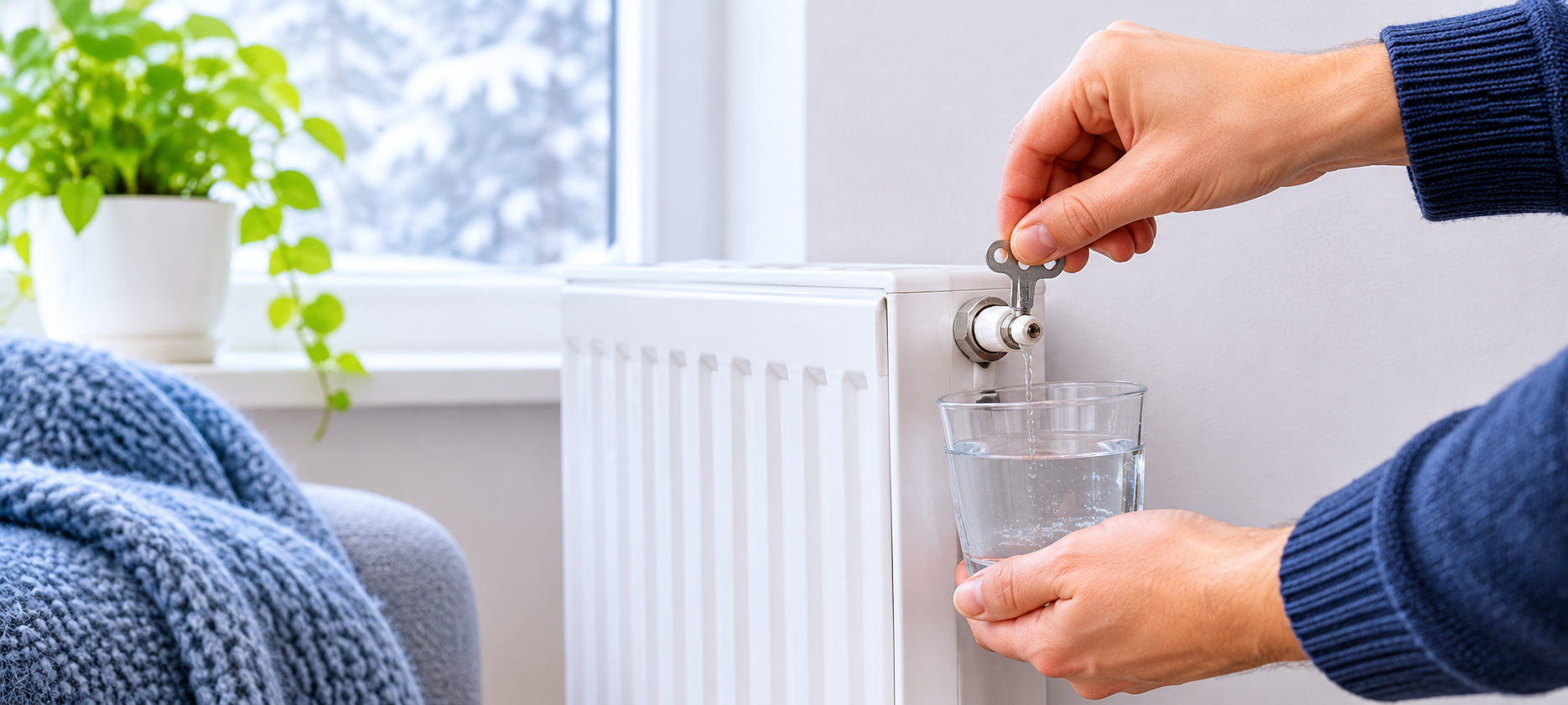
Easiest steps to try:
- Feel the radiator to check for cold spots
- Turn the heating off
- Use a radiator key gently
- Release air until water appears
- Recheck boiler pressure later
- Wipe off any drips immediately
A professional can balance the system and check the pressure safely. Homeowners who feel uncertain can find tradespeople in the UK with experience handling radiator, valve and pipework defects.
Seal Draughts Around Doors and Windows
Gaps around the windows, doors, floorboards, and letterboxes let warm air escape and cold air in. The boiler then runs longer to keep rooms comfortable. Blocking those gaps is an affordable job that can turn colder rooms into warmer ones.
Easiest steps to try:
- Fit draughts without any strips
- Add brushes to letterboxes
- Sealing gaps around skirting boards
- Using a door draught excluder
- Checking window seals for any damage
- Blocking gaps around the entries of pipework
Draughts or system defects often cause cold rooms. A central heating expert can explain the difference and the common signs of heating issues. This helps you spot them sooner, before they become major faults.
Upgrade an Old Boiler or Heating System
Older boilers and heating systems often use a lot of fuel to provide enough heat. Parts can wear out over time, and repair bills add up quickly. A modern, efficient system reduces operational costs once the old system fails.
Easiest steps to try:
- Keep a record of the boiler’s age
- Check for frequent breakdowns
- Compare repair or replacement costs
- Ask about energy-efficient models
- Check for warranty details
- Get quotes before making a decision
A central heating expert can inspect the system thoroughly and advise on the best time to upgrade an old heating system. Recommendations depend on the boiler’s age, condition and repair history.
Improve Loft and Wall Insulation
Insulation slows heat loss through walls and roofs. Most older homes in the UK have missing or thin loft insulation, and walls can lose heat fast. Better insulation can help rooms remain warm for longer after the heating goes off.
Easiest steps to try:
- Check the depth of loft insulation
- Add insulation between loft joists
- Insulate hot water pipes
- Ask about cavity wall insulation
- Fit reflective foil behind radiators
- Also insulate hot water pipes
A professional conducts a complete inspection to ensure the heating system still suits the home after you add insulation. Some systems might then operate at lower temperature settings.
Use Heating Controls Sensibly
Heating controls decide when the boiler runs and how hot each room gets. A programmer, room thermostat and thermostatic radiator valves help heat the home only when needed. Better settings stop energy waste in empty rooms or during unused hours.

Easiest steps to try:
- Set heating to match routines
- Lower the thermostat slightly
- Fit thermostatic radiator valves
- Close doors to unused rooms
- Consider a smart thermostat
- Review settings each season
A central heating expert can install or replace controls and set them up correctly. Proper setup helps the system heat the home evenly without running for longer than needed.
Service the Boiler Every Year
A boiler that isn't serviced can lose efficiency and break down when you need it most. A yearly service checks that it burns fuel safely and runs as it should. A Gas Safe registered engineer should service gas boilers.
Easiest steps to try:
- Book a yearly boiler service
- Keep a service record
- Check for strange noises
- Watch for pilot light changes
- Install a carbon monoxide alarm
- Keep boiler cupboards clear
A central heating expert can service the boiler, test its safety and spot small faults early on. Regular servicing can also reduce the chance of a costly winter breakdown.
Getting Your Heating Ready for Colder Weather
A warm, efficient home starts with a well-maintained heating system, and BuilderWing helps homeowners find local heating professionals for boiler, radiator and controls work. Booking before the coldest weeks arrive gives you more time to choose the right person and avoid rushed decisions when the heating fails.
Heating jobs range from a quick repair to a full system replacement, so a clear description of the work helps local professionals respond promptly with useful advice. Post a project today and get your heating job moving.
Frequently Asked Questions
Are Electric Heaters Cheaper Than Central Heating?
Usually not. Electricity often costs more per unit than gas, so electric heaters can cost more to run than gas central heating for whole-home use.
Can Thick Curtains Reduce Heat Loss?
Thick, lined curtains can reduce heat loss through windows at night. Keep them well clear of radiators so heat can circulate freely around the room.
Which Other Tradespeople Can I Hire Besides Central Heating Experts?
Electricians, roofers, carpenters, handymen, damp-proofing specialists and decorators can help with controls wiring, loft repairs, draught proofing, damp problems and finishing work after repairs.