Quick Answer
Your home will need repainting when the paint starts to peel, fade, stain or crack or when wood is left uncoated. These are a few common signs your home needs repainting, since paint safeguards your walls from damp and damage. Act before small damage spreads throughout your property.
A fresh coat of paint improves your home's look while protecting the walls and woodwork from sun, rain, and damp. That protection wears away slowly, and most homeowners don't notice until damage has already started. Recognising early signs of wear helps you plan a home repainting job at the right time and avoid extensive repairs later.
That’s where a professional painter can help. They can tell whether a small faded spot needs a touch-up or repair before you apply a fresh coat of paint. That's why it's important to hire a painter in the UK with experience addressing these issues and ensuring the new paint lasts longer.
Why Does Paint Wear Out Faster in Some Homes?
Some areas of your home can lose their paint sooner than others. Two houses on the same street can age differently based on which way they face and how well their walls were prepared the last time. Sun, weather and rain can all break down exterior paint. Interior paints often wear out due to steam, cooking or accidental bumps.
Here are the main reasons why paint most often wears out early:
- Stronger sun that fades colour and dries out paint
- Rain and damp entering from behind the paint
- Steam and moisture in both bathrooms and kitchens
- Regular knocks and scuffs from children, pets, and furniture
- Painting over damp patches or dirty surfaces
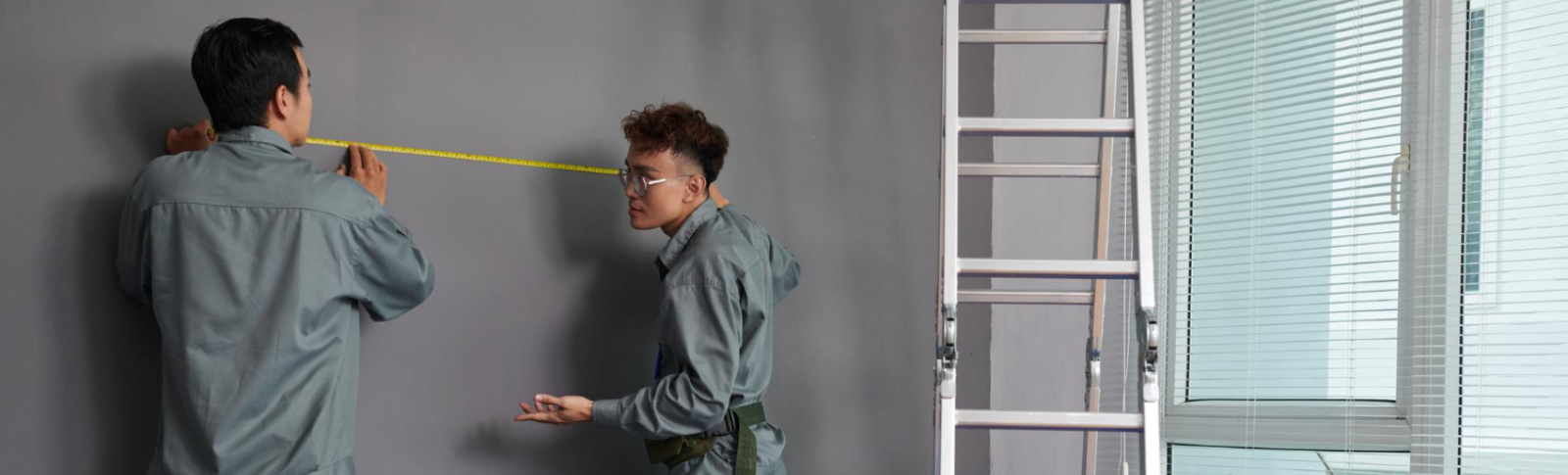
The type of paint and preparation your home needs depends on the surface, its condition and its exposure to the weather. You can find a reliable tradesperson in the UK to discuss your home's needs and choose someone with experience in painting similar surfaces. But before they share a quote, tell them about any damp or leaks.
Signs Your Home Is Ready for a Fresh Coat of Paint
Here are a few signs that indicate what’s really happening to your home’s paint. Knowing these signs can help you act early before the damage spreads.
Peeling, Flaking or Bubbling Paint
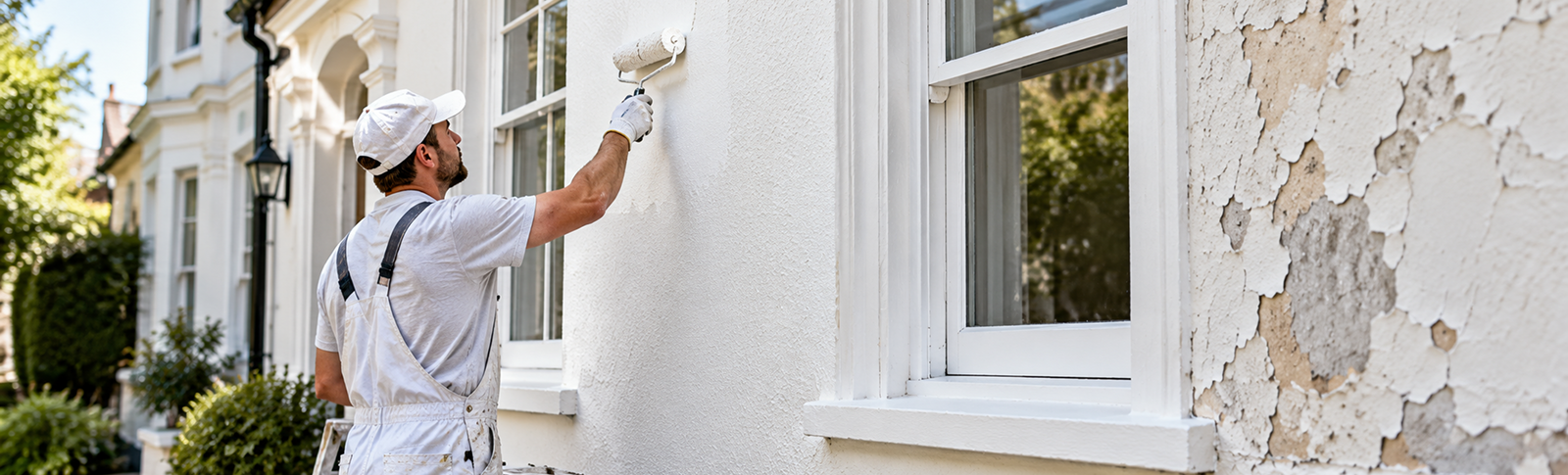
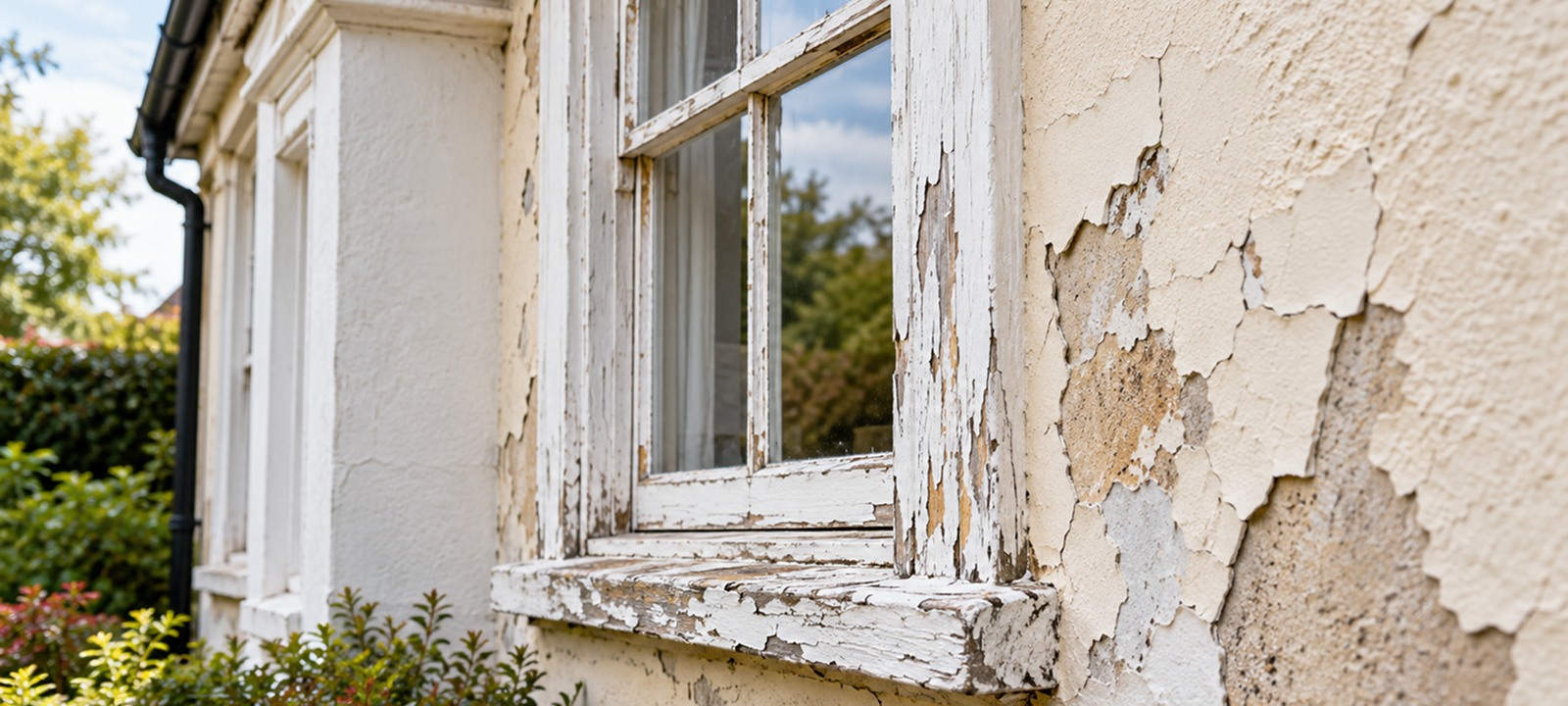
Paint peels or bubbles when it loses its grip on the wall. Damp can get under the paint, or heat or dust can cause it. A few bits of paint coming off the wall is a small issue. But if large patches are coming off, it means the paint is no longer protecting the wall.
Here’s what you should watch out for:
- Paint starts to lift in the form of curls or sheets
- Bubbles popping out when pressed
- Bare or exposed plaster or wood that shows through
- Paint flakes collecting on sills or skirting
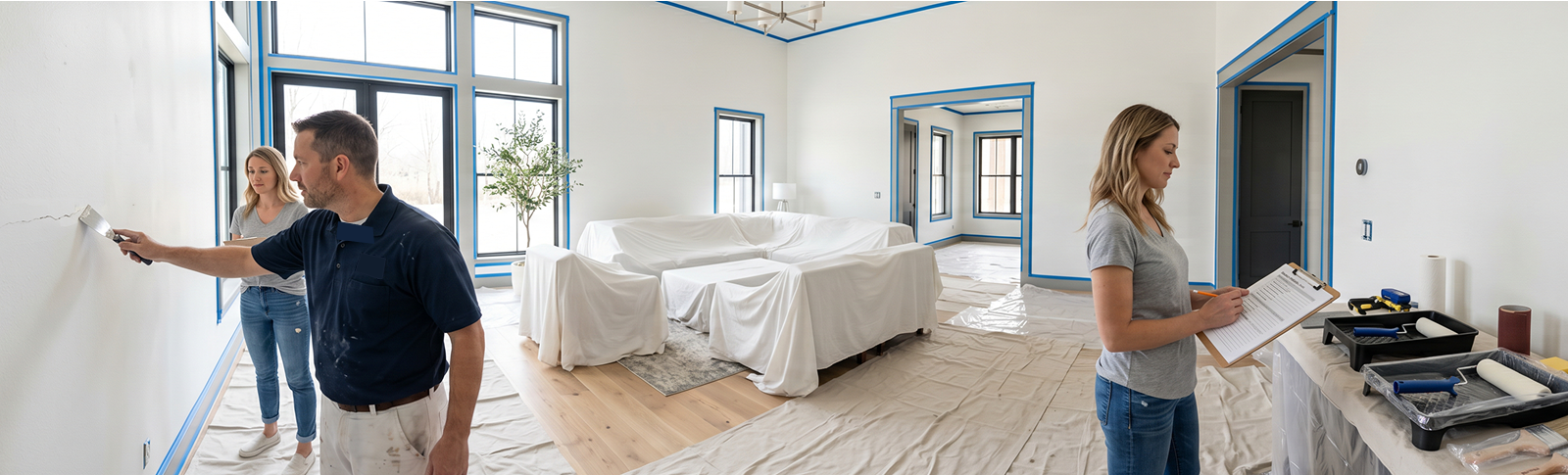
A painter will often scrape back loose paint, identify why it was lifted, and spot causes such as damp before applying a fresh coat. Add this to your home painting checklist and share it with the professionals when asking for quotes.
Faded or Dull Colour
Sunlight and weather slowly fade paint, making bright walls look pale and uneven. Walls exposed to sunlight, front doors and rooms with large windows often show signs of fading first. This usually means the paint is thinning and becoming less protective.
Here’s what you should watch out for:
- Colour that appears paler than in pictures
- Uneven patches on sunny walls
- Front doors that look as if washed out
- Dull sheen even after cleaning
A painter would often match the colour according to your preference. They can help you choose a new one and use a paint designed to withstand strong sun. One of the main benefits of choosing a local painter or decorator is that they understand how your area’s weather can affect paint.
Stains and Marks That Will Not Wipe Clean
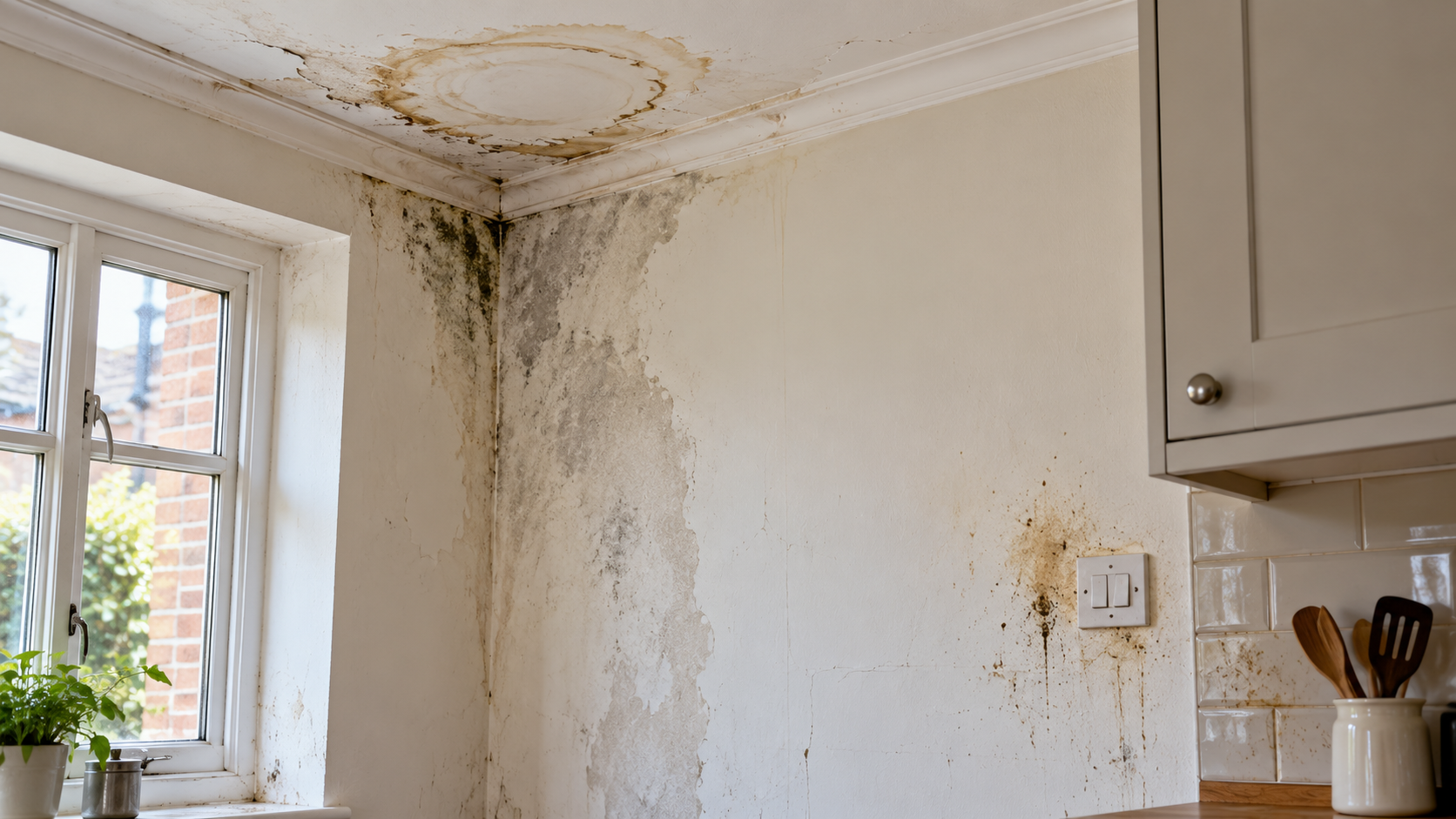
Grease, smoke, and damp, dirty hands often leave marks on your walls that build up over the years. Cleaning stops working once the mark soaks in. Brown rings on ceilings and green or black spots also signal moisture buildup. So, you should detect the real cause before applying a fresh coat of paint.
Here’s what you should watch out for:
- Brown rings that spread across ceilings
- Black or green spots on walls
- Greasy marks near cookers and switches
- Scuff marks that return even after scrubbing
A professional painter uses stain-blocking primer so marks stop showing through, and they’ll tell you whether the issue is a leak or damp. This extra preparation adds to the cost of painting a home. So make sure you ask the professional for an accurate quote.
Cracks, Gaps and Chalky Surfaces
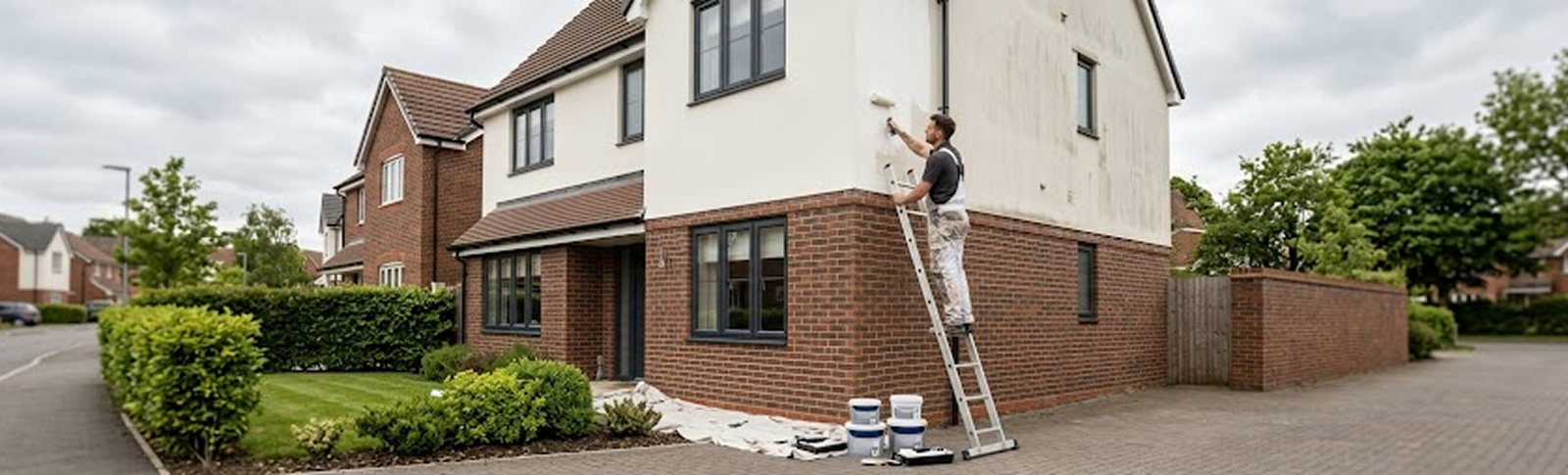
Fine gaps or cracks in the paint let water in, and gradually over time the damage grows. On exterior walls, try rubbing your hand across the paint. If white powder comes off, then the paint is breaking down and fails to keep rain out.
Here’s what you should watch out for:
- Check for hairline cracks on ceilings or walls
- Gaps between walls and skirting boards
- White powder residue on your hand
- Cracked sealant around the window frames
A professional can fill those cracks, reseal, and apply the right coating on exterior walls. For instance, several older terraced houses in Liverpool may need repainting as exterior paint fades, cracks or peels. This is where homeowners can find a painter in Liverpool, discuss their painting needs and compare quotes.
Bare or Weathered Woodwork
Window frames, doors, gates and fences take the worst of the weather. Once the paint or varnish wears off, bare wood soaks up water, then greys, splits, or rots, and fixing it later costs far more than repainting.
Here’s what you should watch out for:
- Bare or greying wood on frames
- Soft wood that dents when pressed
- Paint cracking along window frame joints
- Rust stains running from nails
A painter can sand back weathered wood, identify rotten parts that need a joiner, and protect the rest with outdoor-grade paint.
Repainting works best when the walls are well prepared, because paint can only last as long as the surface beneath it. A good painter repairs and primes first, so ask how they'll prepare the job before you agree to a quote.
BuilderWing is an online marketplace for finding local tradespeople in the UK. Write down what you have spotted on each wall and post it as your job description, and local painters can tell you what repair work comes first and what the paint will cost. The right tradesperson for any repair that has to come first is on the same site.
Post a project today, and local painters will determine what your home needs.
Frequently Asked Questions
How Often Should I Repaint the Outside of My Home?
Most outside walls need repainting every five to ten years, depending on the weather, wall type, and paint quality. Check them once a year to catch small problems early.
Does the Time of Year Matter When Repainting?
Outside, choose dry, mild weather without frost, because wet or cold walls stop paint drying properly. Inside, any time works if you can open windows to help the paint dry.
Which Other Tradespeople Might I Need Before Repainting?
Roofers stop leaks that stain ceilings, gutter fitters fix overflowing gutters that soak walls, plasterers repair cracked walls, carpenters replace damaged windows, and handymen handle smaller repairs.