Winter exposes the weaknesses in a home’s heating system in its own way. A boiler that struggled through last January may not survive another temperature drop. So, homeowners across the UK are often asking the same question. Is it time to replace, or is another repair worth the cost?
The answer often becomes clear through small warning signs that appear long before the system fails. So, getting a professional opinion at the early stages makes all the difference. This is why most homeowners turn to central heating specialists in the UK for a transparent, no-pressure assessment before committing to either option.
In today's post, we will walk you through early warning signs that indicate your heating system has reached the end of its useful life.
But first, let’s understand the typical lifespan of a heating system.
Typical Lifespan of a Heating System?
The average lifespan of most boilers and central heating systems lasts between 10 and 15 years. However, lifespan varies based on the heating system’s brand, installation quality, and the consistency with which the system receives professional servicing each year.
Numerous factors impact the system’s lifespan, and some of them are:
- Brand and build quality
- Frequency of professional servicing
- Water quality and pressure
- Usage patterns and household size
Homeowners who keep track of their system’s installation date get a real advantage. So, reaching out to find reliable tradespeople in the UK sooner through online marketplaces can make the process seamless. This way, homeowners will have a chance of comparing multiple quotes and need not overpay for a simple job.
Now, let’s take a look at the warning signs that may indicate the need to upgrade an old heating system.
Reading the Warning Signs Before Your Heating System Fails
Several early signs show your heating system is wearing out. Detecting them sooner can save homeowners both money and stress.
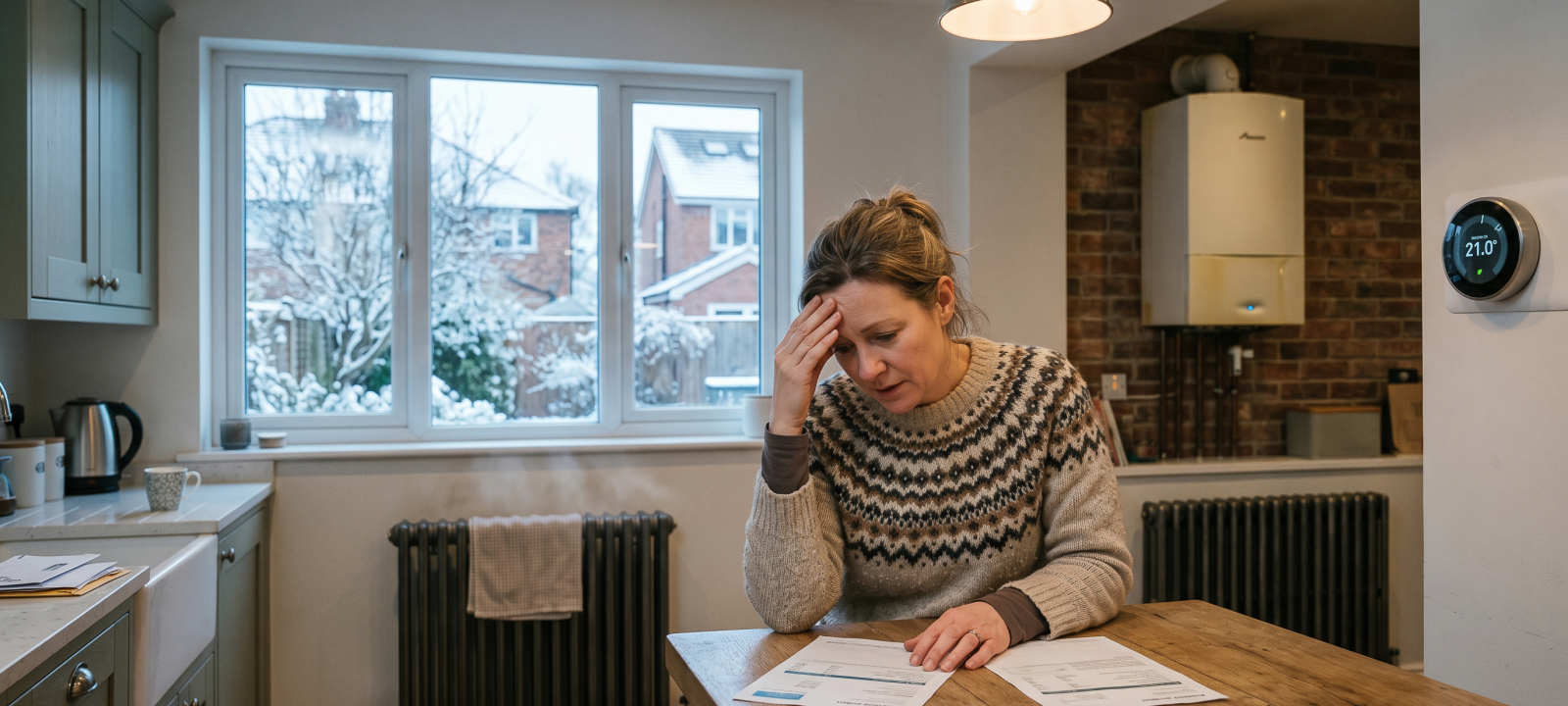
Rising Energy Bills Without a Clear Explanation
A heating bill that increases every winter without any change in household habits may indicate a loss of heating system efficiency. Ageing parts force the boiler to work harder, burning more fuel to generate the same amount of warmth throughout the home.
What does an increasing bill mean?
- Costs that increase each winter
- No change in usage
- Radiators are heating unevenly
- The system is running longer than usual
Worth Noting: Compare a few electricity bills to last year. This is one of the most straightforward warning signs of an ageing heating system that homeowners can easily detect.
Frequent Repairs That Keep Adding Up
A common pattern of frequent call-outs is a strong warning sign that replacement will make more sense than continued repairs. Most engineers suggest that once repair costs exceed one-third of a new heating system's cost, replacement is the more cost-effective option.
Repair or Replacement?
- Multiple call-outs within months
- The same fault is recurring often
- Parts are becoming harder to source
- Repair costs are rising steadily
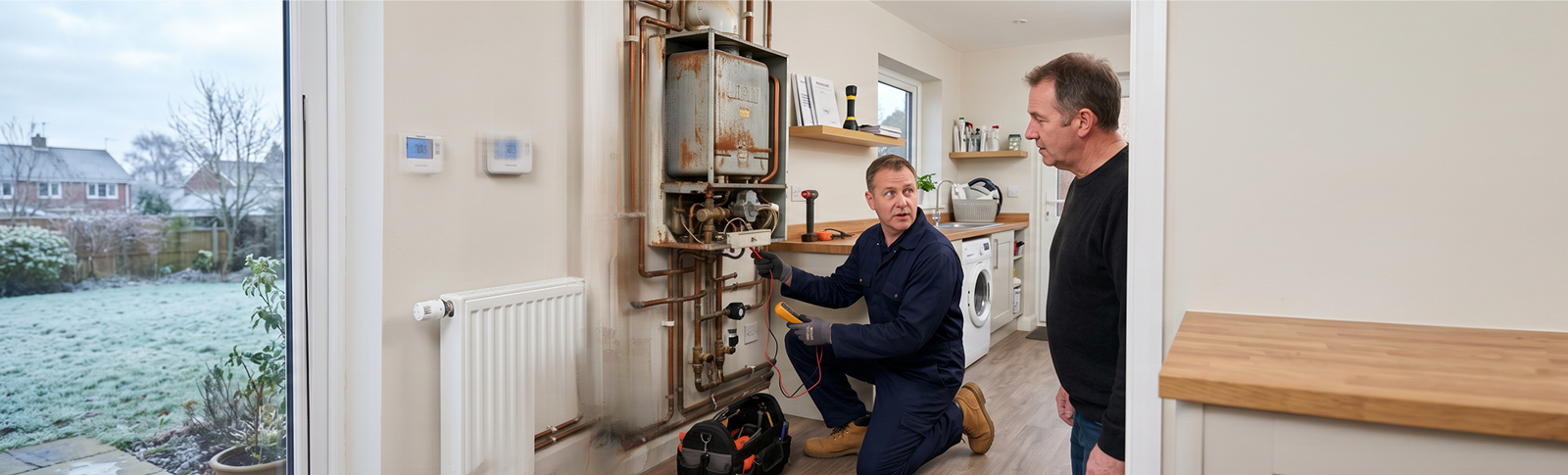
Worth Noting: Homeowners need to maintain a repair log to make comparisons easier. Also, if you have a gas-powered heating system, then it's better to consult a qualified gas work engineer in the UK. These tradesmen will evaluate the existing condition of your heating system and recommend a long-term solution.
Uneven Heating and Constant Temperature Swings
A top-performing heating system can distribute warmth evenly across every room. They will also maintain a steady temperature without the need for constant manual adjustments. Draughty corners, cold spots, and rooms that don't align with the thermostat setting indicate a system that doesn't meet your household's needs.
Common warning signs include:
- Some rooms stay colder
- Inaccurate thermostat readings
- Frequently adjusting the manual temperature
- Inconsistent radiators warming across zones
Worth Noting: Homeowners need to include radiator bleeding and pressure checks on their regular home maintenance checklist. This often resolves minor unevenness before it becomes a major issue.

Unusual Noises and Visible Signs of Wear
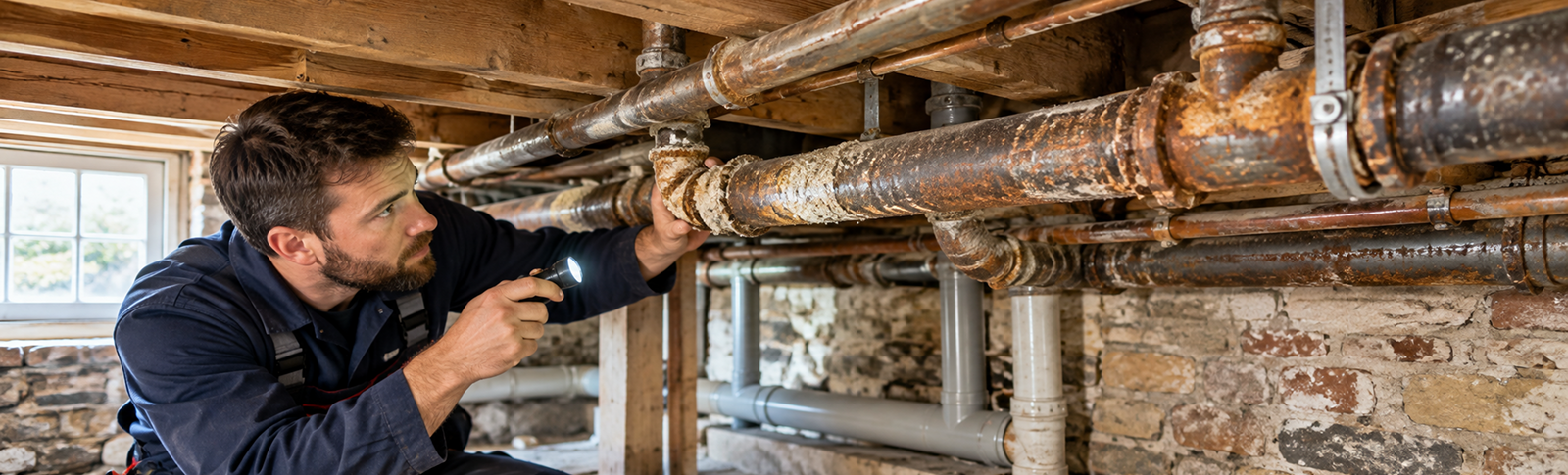
New models work silently. Therefore, if you detect any whistling, banging, clanking, or humming, it's a clear indication of something wrong. This might happen due to mechanical failure, trapped air, or damaged parts. Furthermore, a couple of signs also put households at risk, so leaving them unchecked is a huge mistake homeowners make.
Indicators of major issues:
- Clanking or banging continuously
- Noticeable signs of rust or corrosion
- Water pooling near the unit
- Yellow flame instead of blue
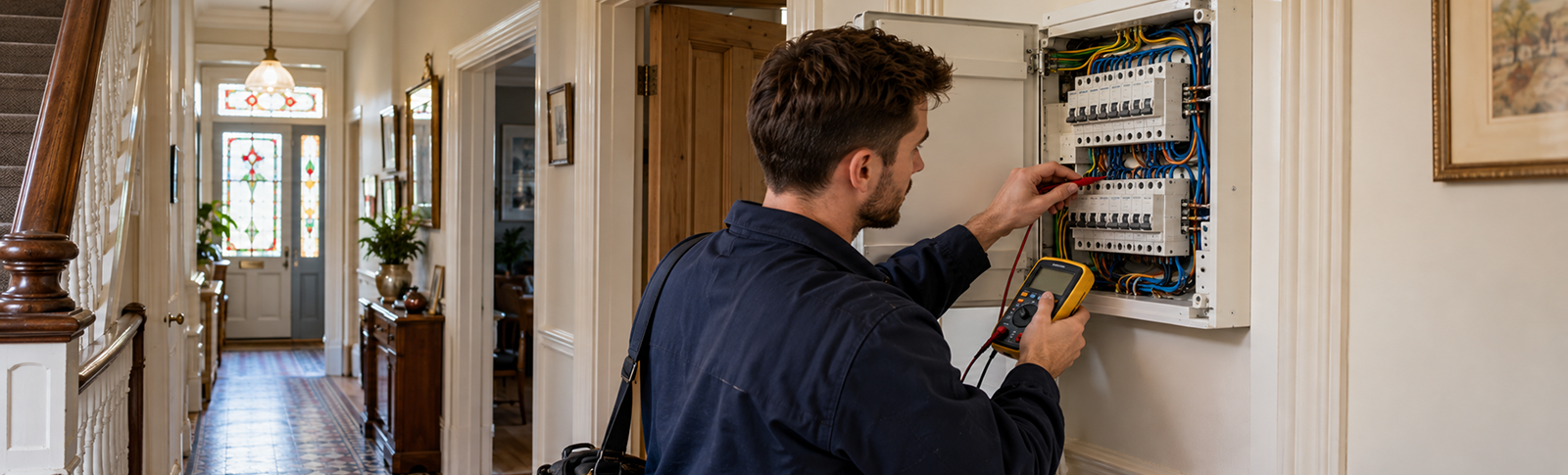
Worth Noting: Flickering displays or tripping switches near the boiler may occur unexpectedly. But these signs develop over time before turning into detectable electrical warning signs that homeowners often overlook. Therefore, finding a professional for a thorough inspection should include both heating and wiring components.
Older Systems Waste More Energy
Older heating systems were never built to meet efficiency standards like the modern ones. These models are used to convert more fuel into usable heat. Therefore, replacing an older system is not about the damage it endures. It will gradually reduce a home’s carbon footprint, making replacement a viable option.
What recent models offer:
- Increased fuel-to-heat efficiency
- Comes inclusive of smart thermostat compatibility
- Reduced long-term operating costs
- Fewer household carbon footprints
Worth Noting: Comparing quotes from multiple professionals helps homeowners find a system that balances upfront costs with long-term efficiency. This means better savings for a specific type of property.
The Risks of Delaying a Professional Inspection
Overlooking minor heating issues can lead to extensive repairs and higher costs over time. An annual inspection can detect issues sooner, while they’re still minor and cost-effective to fix before they turn into an emergency.
Delayed professional inspection can lead to:
- Minor faults are converting into major, expensive repairs
- Reduced efficiency that often goes unnoticed
- Warranty conditions that become void
- Safety risks that build up unknowingly
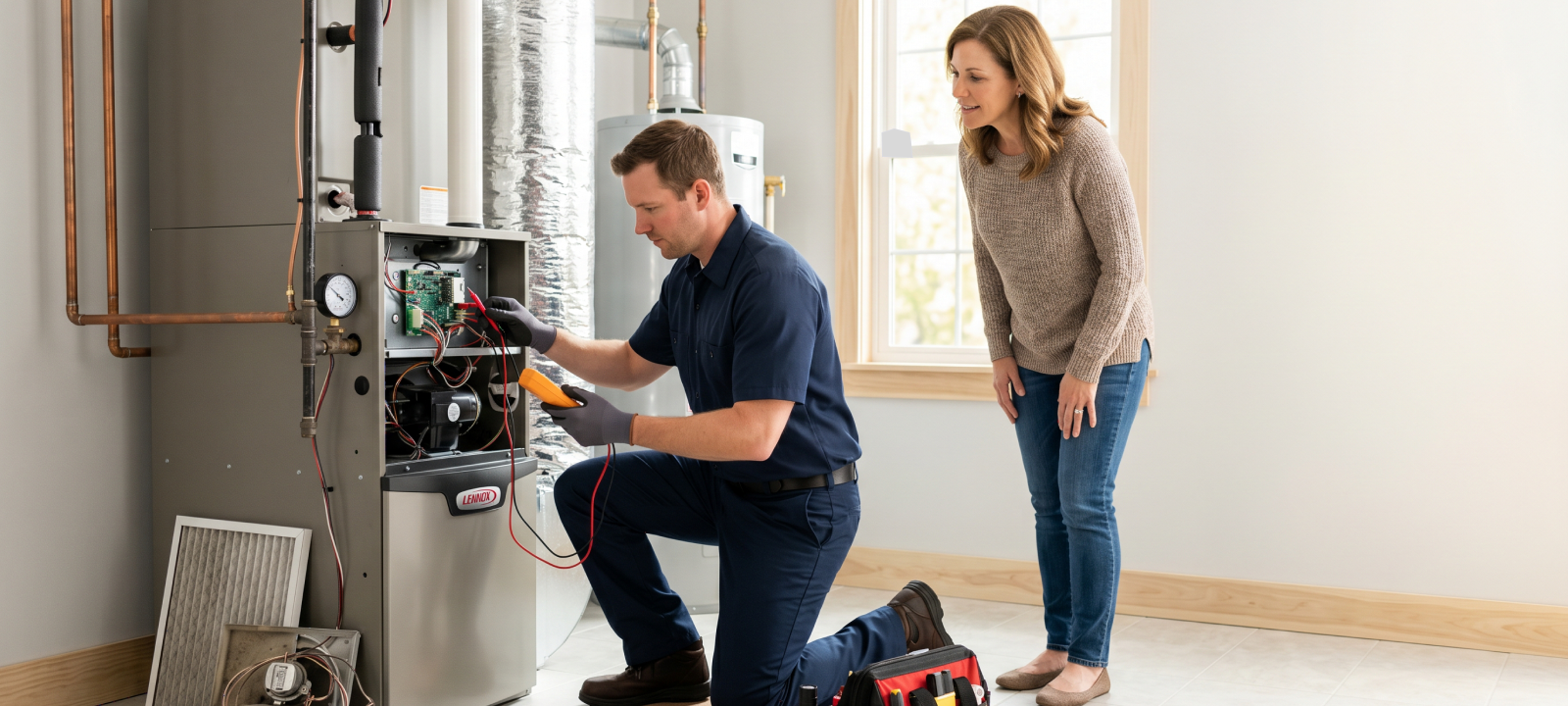
Booking a professional visit should not be delayed until issues become visible. Homeowners scheduling a routine inspection every year, especially at the onset of winter, can identify failing or damaged parts. This also helps to avoid breaking down, which forces homeowners to make rushed decisions.
How BuilderWing Simplifies Your Search for a Heating Engineer
Deciding on a heating system upgrade is half the job done. Finding the right specialist can turn a homeowner’s decision smooth and stress-free. That’s where reliable marketplace platforms such as BuilderWing can help. The platform offers a unified approach for homeowners to connect with seasoned central heating engineers across the UK.
Homeowners exploring BuilderWing typically value:
- Clear and detailed profiles showcasing past projects
- Multiple quote comparisons to prevent future budget overruns
- Honest reviews shared by UK homeowners
- Direct messaging with no middleman costs for complete project discussions
So, are you ready to locate a reliable central heating specialist for a routine heating system inspection? Post a project today to start comparing quotes from seasoned local experts!
Conclusion
A heating system rarely fails all at once, and that's precisely what makes upgrading so easy to put off. But comfort, safety, and cost all tend to move in the same direction, and waiting too long usually means losing the choice altogether. Paying attention now, while there's still time to plan properly, turns a stressful winter scramble into a straightforward decision on your own terms.
Frequently Asked Questions
What size heating system does my home need?
The right size depends on square footage, insulation quality, and the number of rooms being heated. A qualified engineer can calculate this accurately during a home survey.
Are newer heating systems really more energy efficient?
Yes. Modern systems are built to significantly higher efficiency standards than models from a decade or more ago, often resulting in noticeably lower energy bills.
What other tradespeople can I hire besides a central heating expert?
Depending on your project, you may also hire plumbers, electricians, roofers, builders, general contractors, loft conversion specialists, painters, and other qualified home improvement professionals.