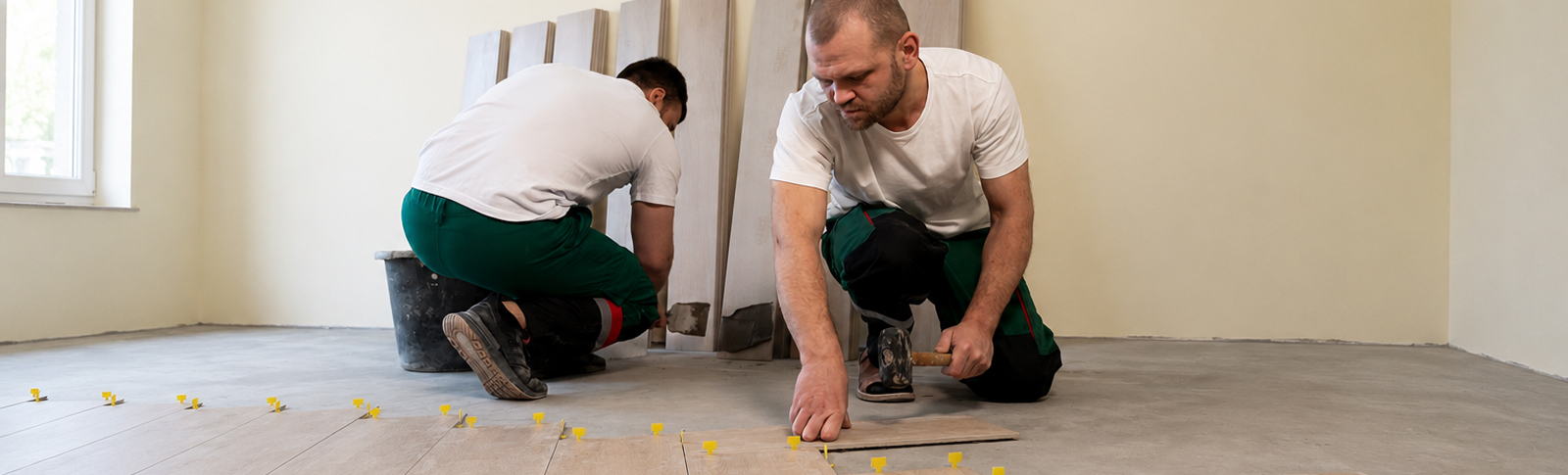
Homeowners often wrongly assume that tiling costs involve only the price of the tiles. So, it’s often a surprise when quotes for the “same job” can differ by thousands of pounds. These are mainly shaped by factors that were never discussed up front, such as the wall condition, the prep work a space secretly needs, and the room shape.
A lot is happening before a single tile is laid. Old adhesive needs to be removed, levelling of uneven surfaces, and tight corners or fixtures demand additional time. These are a few steps that are rarely discussed up front. Yet they account for a larger share of the final bill.
The differences between quotes often stem from hidden issues that tilers would commonly notice but fail to mention. A clearer approach is to find local tilers in the UK who explain their pricing upfront. So a quote reads for what it actually includes instead of just a figure on paper.
What Affects the Cost of Professional Tiling?
Before diving into details, let’s get a quick run-through:
| Price Factor | How it Affects the Final Price |
| Surface preparation | Before commencing tiling, undertake leveling, damp treatment, and subfloor repairs. |
| Tile size and format | Specialist handling is needed for large formats; mosaics require far more cuts. |
| Layout and pattern | Herringbone designs, chevrons, and diagonals are longer to cut to size and align. |
| Waterproofing | When you install tanking membranes in showers and wet rooms, you incur additional labour and material costs. |
| Underfloor heating | Provides flexibility in adhesive and a prolonged curing time before the switch-on. |
| Access and obstacles | The job is delayed by obstacles such as fixtures, tight corners, and lack of access. |
| Location | Labour and travel costs differ by region. |
Let’s now uncover the hidden factors in more detail to help you know exactly what to look for in a quote.
Surface Preparation and Subfloor Condition
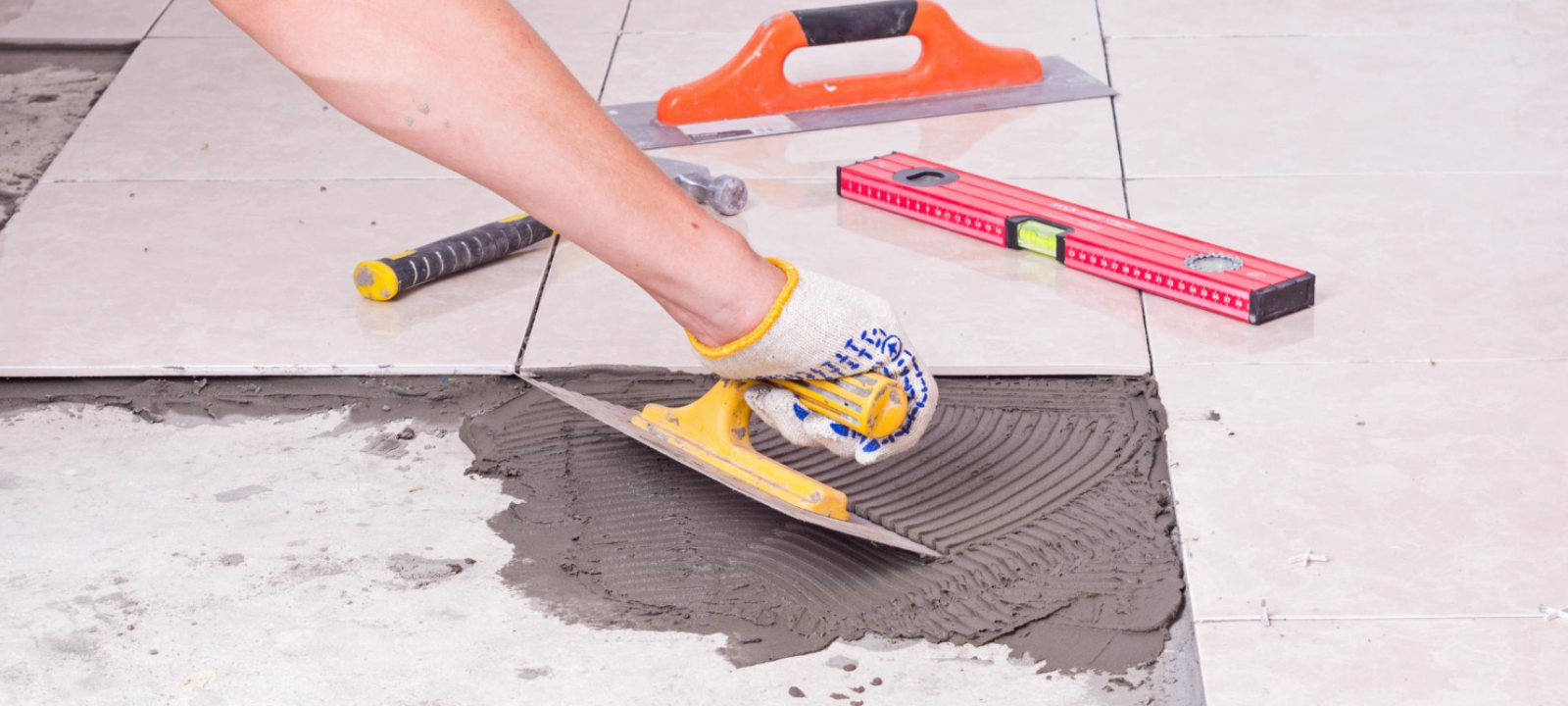
Before the actual tiling work, the surface underneath needs levelling and drying. Also, it should be made structurally sound for use. The first areas to address are uneven screed, damp readings, and old adhesive residue. This is the stage that secretly accounts for a major share of the total budget.
What Adds to Preparation Costs
- Levelling compound for uneven floors
- Removal of old tiles and adhesive
- Damp treatment before tiling
- Repairing damaged subfloors
Pro Tip: ensure to ask a tiler to inspect the space before the quote, as preparation costs are hard to estimate from photos alone. The most common tiling issues in homes include uneven subfloors or hidden damp that only becomes apparent during an in-person inspection.
Tile Size and Format
Tiling size affects both labour and material costs. Large-format tiles will require a dead-flat substrate and specialist lifting equipment. Small mosaics will require more individual cuts and joins. So, whichever type of work you have, the size range can increase the final price.
Tile Formats That Cost More to Install
- Large-format tiles demand careful handling
- Mosaic sheets with many pieces
- Irregular tiles like hexagons or fish scales
- Thin porcelain slabs need expert handling
Pro Tip: Tile sizes between 300 mm and 450 mm make installation easier and give a neat, modern look. A lot of experience is required to install larger tile formats and mosaics. Therefore, finding a reliable tradesperson in the UK who has worked with similar tile sizes before.
Layout and Pattern Complexity
The manner in which tiles are arranged directly influences labour time. Chevron, Herringbone, and diagonal layouts demand accurate measuring and cutting. This adds a significant percentage to the overall cost compared to a simple grid pattern.
Tile Layouts That Increase Labour Costs
- Herringbone or chevron patterns with angled cuts
- Diagonal layouts need extra cuts
- Mixed tile sizes in one design
- Decorative borders or feature strips
Pro Tip: Limit the use of intricate patterns in smaller feature areas, such as splashbacks or shower niches. This will reward homeowners with aesthetic appeal without incurring full-room labour costs.
Waterproofing in Wet Areas
Both shower and wet rooms will need an adequate tanking membrane applied before the tiling starts. This safeguards the structure behind the tiles from moisture damage. It's one of the most commonly underestimated costs included in a bathroom quote.

Common Waterproofing Areas
- Full tanking is required for shower enclosures and wet room floors
- Frequent water exposure on walls behind baths
- Areas around floor drains necessitate careful sealing
- Splashbacks near sinks will only require basic sealing
Pro Tip: Ensure a tiler doesn't skip tanking to save money, since fixing leaks behind finished tiles is more expensive. Also, add water damage checks to a regular home maintenance checklist. This helps detect failing seals before renovation and avoid expensive repair bills later.
Underfloor Heating Compatibility
Fitting tiles over underfloor heating will change both the preparation and the adhesives used. The heating mats also increase material costs. Also, proper curing time should be allowed before the system is switched on for the first time.
How Underfloor Heating Affects Costs
- Heating mats or cables under tiles
- Flexible adhesive for temperature changes
- Longer curing before heating starts
- Increased floor height affecting doors
Pro Tip: Always plan for underfloor heating early in the renovation. Retrofitting it later means lifting and relaying the tiles already installed.
Access, Room Shape, and Obstacles
Tiling jobs often get delayed due to improper layouts and fixed fittings. Careful cuts, in addition to precise measuring, are required for toilets, sinks, tight corners, and radiators. Each one increases installation time, which is often overlooked in a simple per-square-metre estimate.
Causes of Installation Delays
- Careful tile cuts in toilets, sinks, and radiators
- Narrow corners and alcoves
- Steps or uneven floor levels
- Narrow stairwells or doorways
Pro Tip: A compact bathroom packed with fixtures takes longer to finish than a larger room with a clear run of open walls. Tiling may seem like a common job that handymen can handle in UK homes. But working around multiple fixtures will require the skills and tools of an expert.
Location and Regional Labour Rates
The property's location also significantly influences the final bills. For instance, hiring tilers in London comes with higher labour costs due to stronger demand and higher business costs in the capital. Meanwhile, the same project completed by a tiler in Birmingham or elsewhere in the Midlands and the North might cost less, even when similar tile sizes, materials, or installation methods are used.

How Location Changes Costs
- Higher rates in London and the South East
- Lower rates across the Midlands and North
- Travel charges for rural properties
- Local demand and tiler availability
Pro Tip: Ensure you compare quotes from multiple tilers in your area rather than a national average. Furthermore, timing also plays a part. Spring and early autumn are the best times for home renovation, with better availability of tradesmen before the pre-winter rush increases prices.
Getting a Quote That Reflects the Real Job
Quote comparisons are streamlined once you work from a shortlist of tradespeople who have handled projects relevant to yours. Online marketplace platforms such as BuilderWing streamline the process of finding tradespeople for homeowners. This helps them request multiple quotes instead of chasing recommendations or cold-calling numbers found online.
Here’s how BuilderWing can make quote comparisons easier to make better hiring decisions:
- Photos of previous tiling work
- Itemised quotes for preparation, materials, and labour
- Reviews from homeowners with similar projects
- Multiple quotes from one job request
Planning for an upcoming tiling job at home? Post a project today to receive a clear quote from experienced local tiling experts!
Final Thoughts
Every tiling job is different, even with the rooms appearing similar on paper. This is why having a clear knowledge of what determines the final quote is extremely important.
Setting clear expectations when approaching the process and asking the right questions before the work begins will put you in a stronger position to agree on a fixed price that remains in effect until the job is finished. All you need is a bit of research in the initial phases that pays for itself in fewer surprises once the project is already underway.
Frequently Asked Questions
How long does a typical tiling job take to complete?
Most bathroom or kitchen tiling jobs take three to five days, though larger rooms, intricate layouts, or waterproofing work can extend that timeline considerably.
Do I need to clear the room before a tiler arrives?
Yes, removing furniture, fixtures, and personal items beforehand helps the job start on time and avoids extra charges some tradespeople add for site clearance.
Can I supply my own tiles instead of buying through the tiler?
Yes, most tilers will fit tiles you've purchased yourself, though it's worth confirming this upfront since some quotes assume they'll source the materials.
Is it cheaper to tile over existing tiles rather than remove them?
Sometimes, it skips the removal stage, but it only works on flat, well-bonded surfaces and can add height that affects doors and skirting.
What other tradespeople can I hire besides tilers for a renovation?
Depending on the project, you might also need plumbers, electricians, plasterers, or general builders, all of which can be found alongside tilers on BuilderWing.